You're looking at a wet patch on the sidewalk, a zone that ran after midnight, or a billing line that doesn't make sense, and the first question is usually the same. Is this smart water, a bottled water brand, or some expensive irrigation gadget your vendor wants to install?
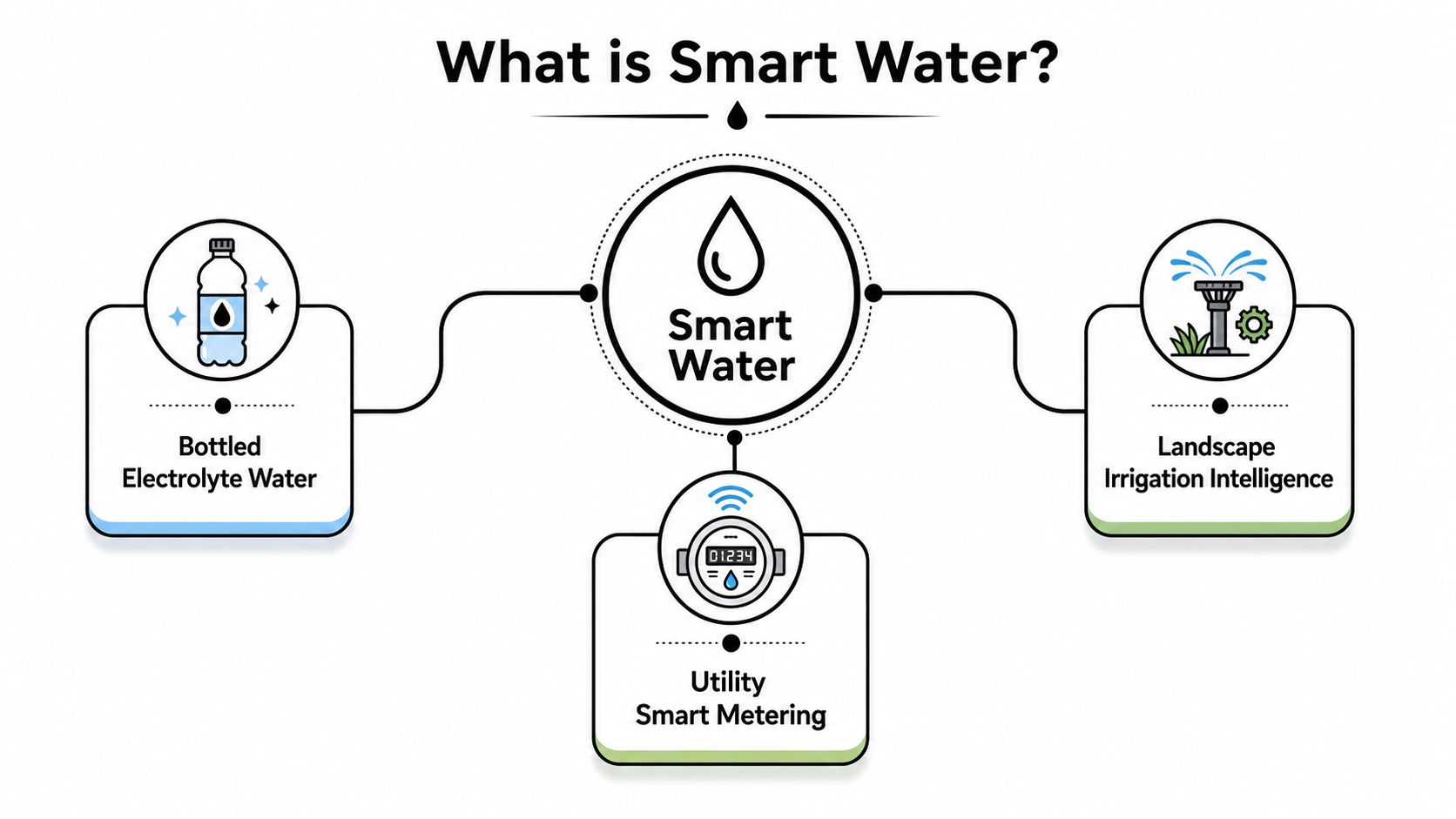
The confusion is real. In everyday search results, smart water can mean a bottled electrolyte product, a utility metering system, or an irrigation platform. For commercial properties, the useful definition is the operational one, because that's the version that helps you spot leaks faster, see use in real time, and keep turf, ornamentals, and hardscape from paying for hidden waste.
What follows is the plain-English version I'd give a property manager on a campus walk, not a sales pitch. You'll get the working definition, the hardware stack, the benefits that matter, and the checklist I'd use before signing off on a pilot.
Table of Contents
- A Clear Definition of Smart Water for Commercial Properties
- How Smart Water Systems Actually Work
- The Core Components on a Commercial Site
- Benefits That Matter to Property Managers
- Real-World Examples and ROI Patterns
- Implementation Checklist for Property Managers
- How to Evaluate Vendors Without Getting Burned
- Trade-offs, Limitations, and Smart Next Steps
A Clear Definition of Smart Water for Commercial Properties
A lot of managers first hear about smart water after a bad night. A mainline breaks, a pump keeps cycling, or an irrigation timer sends water to a broken zone until sunrise. By the time someone notices, the loss is already baked into the month's cost, and the grounds may still be thirsty in the wrong places.
That's why the useful definition starts with operations, not marketing. Smart water means digitally enabled water systems that use meters, sensors, controllers, and analytics to measure and act on water use continuously, instead of waiting for a manual meter read or a walk-through. In the utility world, that's smart metering and advanced metering infrastructure. On a commercial site, it often extends into irrigation intelligence, where the same basic idea helps you water by need instead of by a fixed clock.
There's also the branded-bottle confusion. Some people searching what is smart water mean the bottled product with added electrolytes, while others mean a digital water-management system. Those are completely different things, and the distinction matters because a property manager needs one, not the other. The best way to keep the term straight is to think in systems, not labels, because the commercial use case is about visibility and control, not a beverage aisle.
On large sites, that control has a direct business purpose. It helps reduce waste, protect assets, support compliance, and keep plants healthier by matching watering to actual conditions. For a practical maintenance perspective on adjacent water systems, a useful companion reference is this water treatment maintenance guide, especially if your property also manages pumps, treatment equipment, or water quality routines.
If your grounds team needs a site-specific service model, this commercial landscaping resource shows how water management fits into broader grounds operations without turning it into a one-off repair issue.
Practical rule: if a water system can't tell you what happened, what's happening now, and where the exception is, it isn't smart water yet.
The rest of the article is really about turning that definition into a working site strategy, one that blends utility-grade metering with irrigation intelligence and gives you cleaner decisions every day.
How Smart Water Systems Actually Work
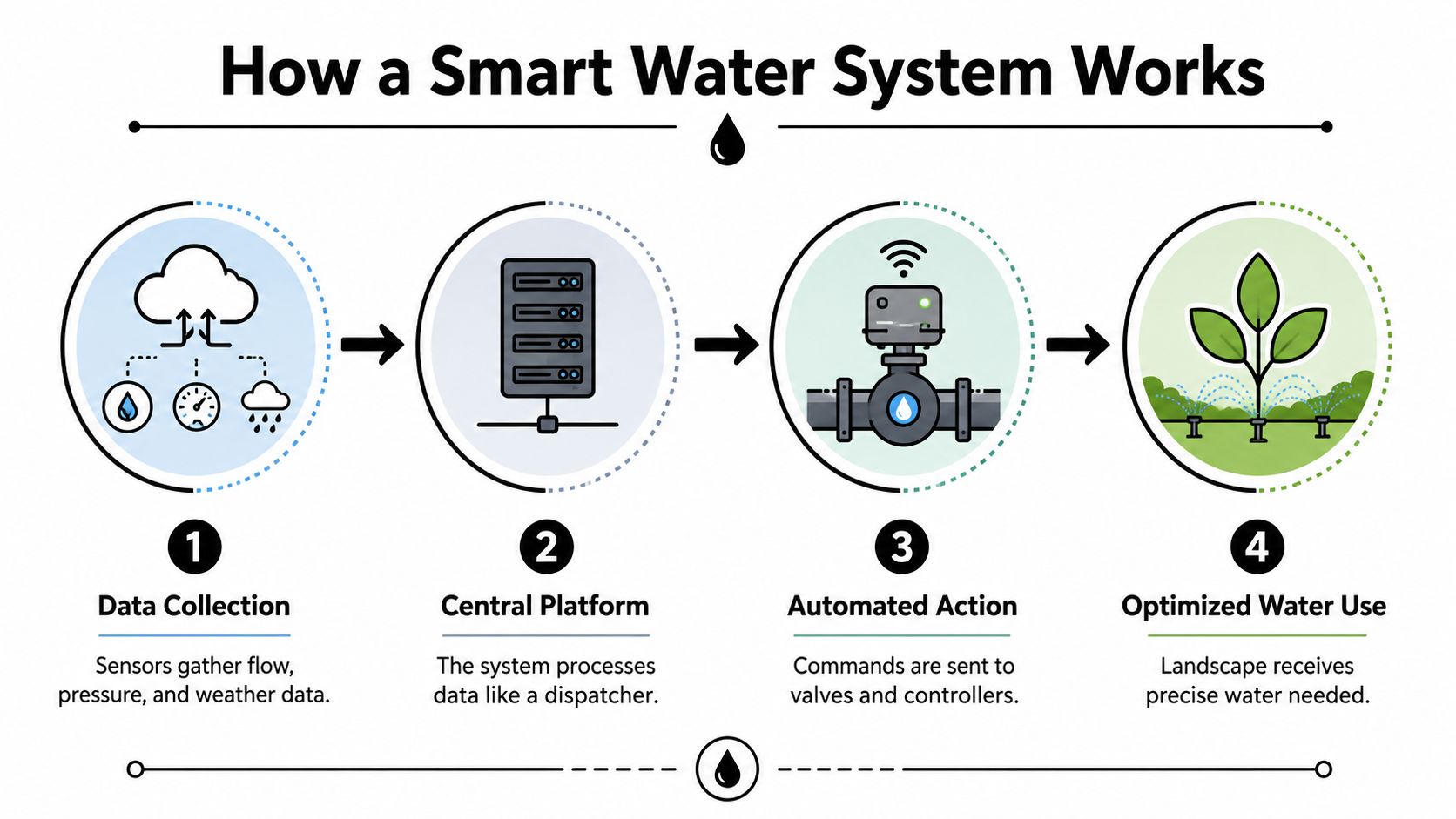
Think of the system like a dispatch desk. Field devices send reports in, the platform reviews the situation, and the controller carries out the decision. Traditional irrigation is more like a wall clock, it opens zones on schedule even when the ground, weather, or plumbing says that's a bad idea.
From field data to decisions
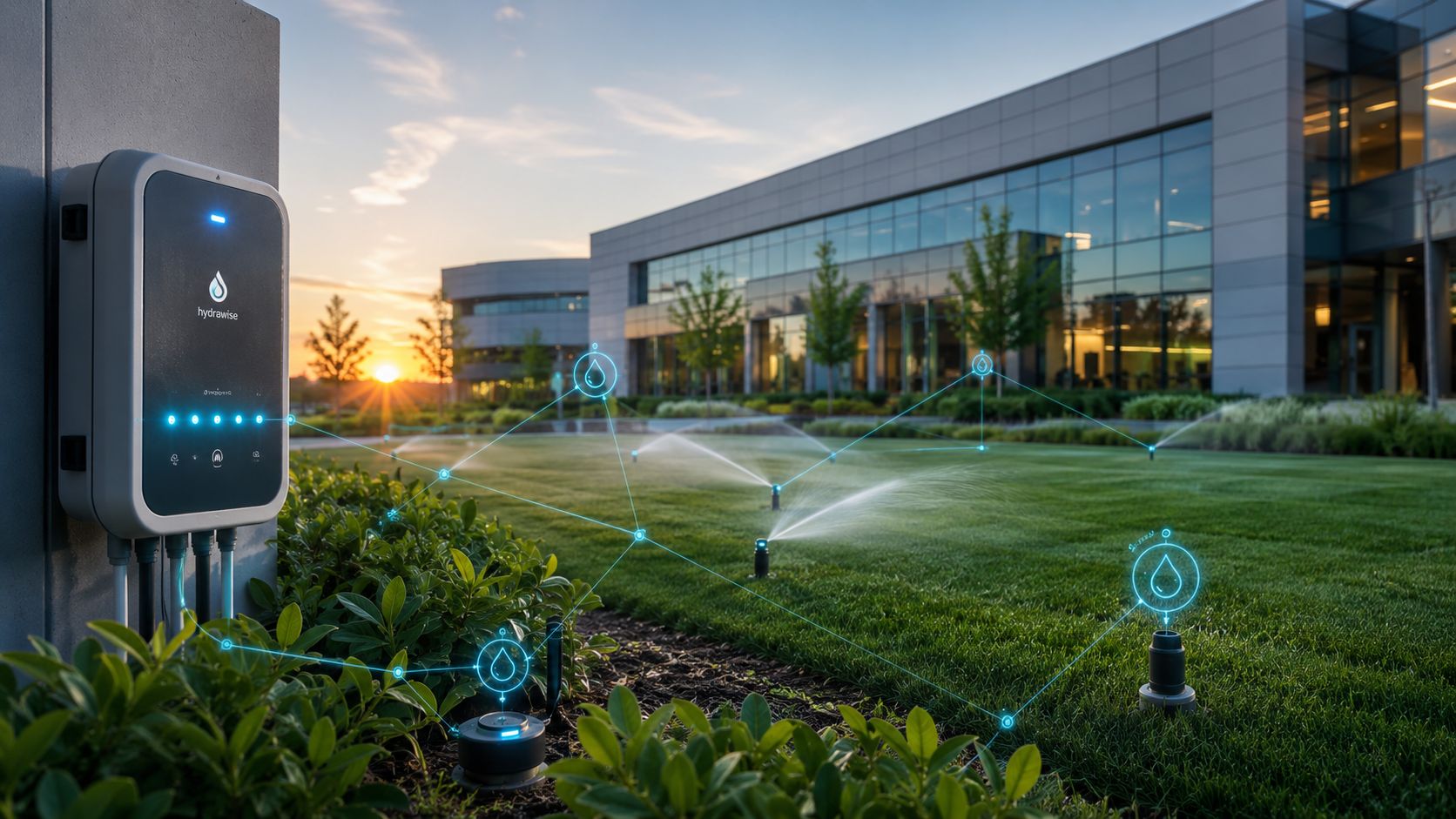
The core of smart water is a closed loop. A sensor might read flow, pressure, moisture, or another condition. That reading is transmitted to a central platform, where it gets stored, compared, and flagged if something looks abnormal. Then the controller can respond by changing a schedule, pausing a zone, or sending an alert to a manager.
That communication layer is what separates smart water from a standard timer. The Hong Kong smart water metering standard describes smart meters as devices that provide continuous electronic reading, local data processing, record storage, and wireless transmission of current and historical data plus alerts to a central server. That sequence matters because it gives operators not just a number, but context and timing. A one-time read tells you usage. Continuous data tells you whether the usage pattern makes sense.
For irrigation teams, the useful analogy is simple. A timer is a watch. A smart system is a dispatcher with a radio, a logbook, and a way to shut off a valve when the field report doesn't match the schedule.
Why the closed loop changes maintenance
Once the loop is closed, the system can support faster leak detection and more precise watering. A broken lateral or stuck valve doesn't wait for office hours, and a sensor-fed platform can raise the flag much earlier than a manual inspection. That same logic is why weather-based irrigation matters on commercial sites, because it lets the schedule respond to conditions instead of habit. This weather-based irrigation resource fits neatly with that idea.
Watering by calendar is easy. Watering by condition is what saves you from paying for the wrong gallon at the wrong time.
The practical takeaway is that smart water isn't one device. It's the way devices, software, and valves work together so the site can react instead of merely record.
The Core Components on a Commercial Site
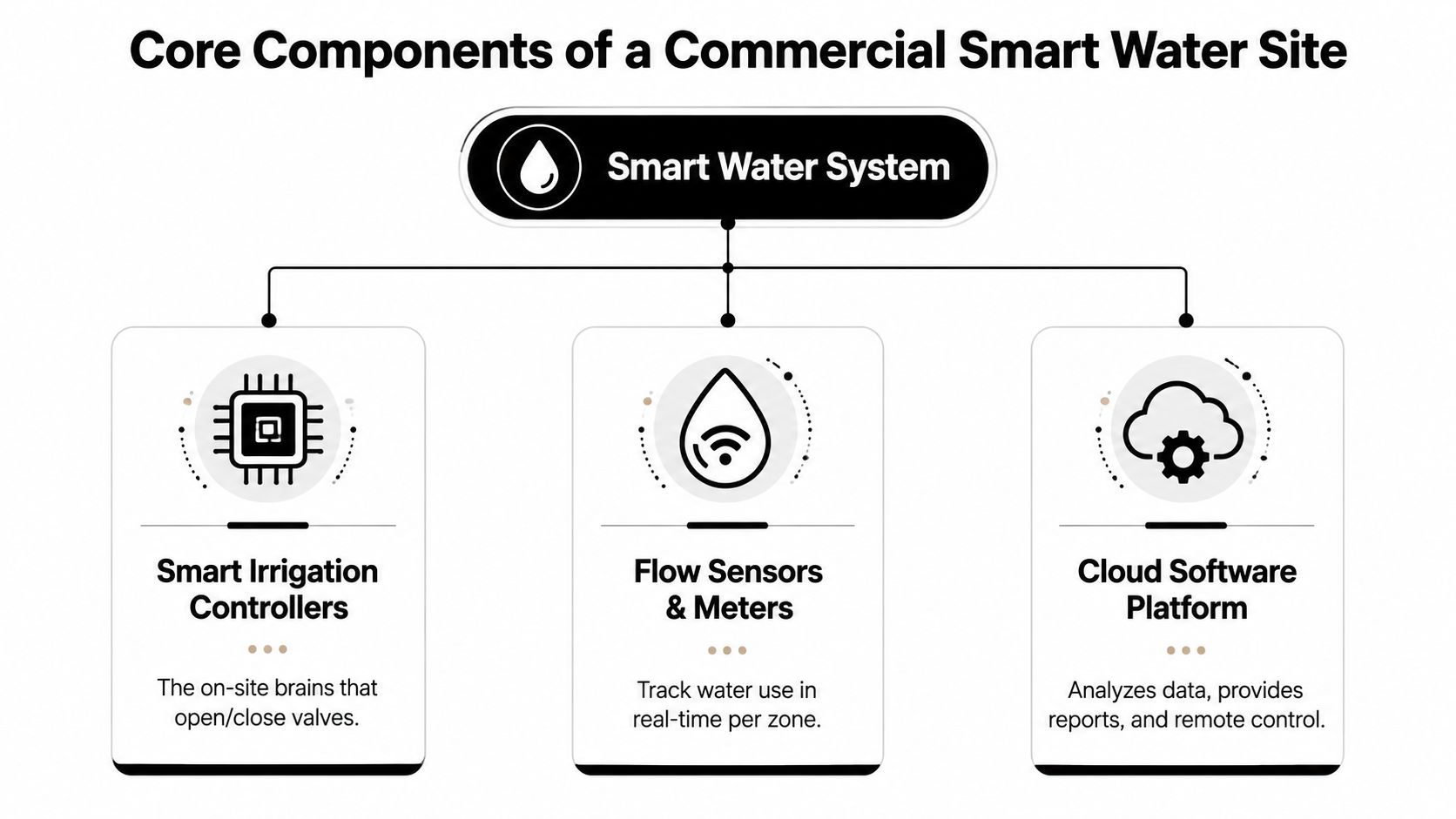
A commercial deployment usually has three layers, and each one solves a different problem. The point isn't to buy more tech for its own sake, it's to give each part of the site a job.
Controllers, sensors, and the platform
Smart irrigation controllers are the on-site brains. They replace legacy timers and make decisions using sensor input, weather data, and site rules. On a Dallas office campus, that might mean adjusting run times by zone, skipping irrigation when conditions don't justify it, or sending an exception to the facilities team instead of blindly advancing the schedule.
Soil moisture, rain, and weather sensors are the eyes in the field. They tell you whether the area needs water, which is especially useful in planter beds, turf zones, and edges where conditions vary a lot more than a timer can see. A campus with shaded courtyards and full-sun frontage will rarely need identical watering across every zone.
Flow sensors and meters are the leak sentries. They're the fastest way to catch a mainline break, a stuck valve, or a zone that's using more water than it should. On a hotel, office tower, or healthcare site, that matters because a failure near a mechanical room or utility corridor can become a bigger problem before anyone spots the surface symptoms.
What the dashboard does
The cloud software platform is the control room. It aggregates the field data, displays trends, and lets teams manage multiple sites from one login. That's especially useful for portfolio managers who need visibility across several properties without driving each one.
The bigger the campus or portfolio, the more valuable that single view becomes. It turns scattered readings into an operating picture, which is why the platform matters as much as the hardware. If the dashboard can't show what happened, where it happened, and who needs to act, the system is just a pile of devices.
For a service example outside the software itself, commercial restoration for your facility becomes relevant when a water event has already moved from monitoring into damage control.
Benefits That Matter to Property Managers
The four outcomes that matter most are pretty simple. You want less waste, fewer service headaches, cleaner compliance, and better-looking grounds. Smart water helps with all four, but only if each outcome is tied to the right capability.
Turning data into business results
Leak visibility is the clearest benefit. Flow data can expose abnormal usage early, which helps reduce hidden water loss and shorten the time between failure and response. Weather-aware scheduling helps avoid watering when the site doesn't need it, which keeps usage closer to actual demand. Audit-ready reports help you show what happened if someone asks whether the property followed restrictions or responded to an alert. Soil-aware irrigation helps roots, turf, and ornamentals get water when they can use it, which usually means healthier plants and fewer calls about stressed areas.
The secondary gains are easy to miss. Contractors spend less time chasing mystery issues, tenants complain less about brown turf in one corner and soaked pavement in another, and the irrigation team stops living in reactive mode. Those aren't flashy benefits, but they're the ones property managers notice in weekly operations meetings.
Commercial Smart Water Benefits at a Glance
| Capability | Operational Outcome | Mechanism |
|---|---|---|
| Flow monitoring | Faster leak response | Flags abnormal use before the issue becomes a bigger loss |
| Weather-based scheduling | Less unnecessary watering | Aligns irrigation with current site conditions |
| Reporting and logging | Easier compliance support | Creates a record of what the system did and when |
| Soil and zone sensing | Better plant health | Matches watering to conditions at the root zone |
Property manager lens: if the dashboard doesn't help you answer “where did the water go” and “what changed,” it's not solving your real problem yet.
The reason these benefits compound is straightforward. Fewer leaks mean fewer emergency calls. Better watering means healthier plant material. Healthier plant material means fewer replacements and less time spent arguing over whether the irrigation system or the garden design is the weak link.
Real-World Examples and ROI Patterns
The cleanest way to think about ROI is to look at the operating levers, not a universal promise. Different properties win in different ways, but the pattern usually comes down to avoiding waste, reducing labor, and keeping the site in compliance.
Common deployment archetypes
A retail center with a chronic mainline leak often sees the fastest payoff from flow alerts. The staff no longer waits for visual symptoms or tenant complaints. They see the anomaly, isolate the line, and avoid turning a hidden leak into a bigger repair.
A corporate campus tends to benefit from central control. One facilities manager can review multiple zones from a dashboard instead of sending a technician to inspect each controller in person. That doesn't just save time. It also makes it easier to coordinate watering with events, construction access, or seasonal shifts.
An HOA or POA under watering restrictions usually values documentation. Automated reports help show that the property adjusted schedules, responded to exceptions, and stayed aligned with the site's own irrigation logic. That's where a digital record becomes an operational asset instead of a nice-to-have.
For more on the conservation side of irrigation management, this water conservation irrigation resource is a useful companion if you're comparing site water use patterns against irrigation performance.
What payback usually depends on
The honest ROI model is less about a headline percentage and more about control over repeatable losses. If you can reduce the time water runs after a failure, route labor more efficiently, and avoid noncompliant watering, the system has a real chance to earn its keep. That's especially true on properties where crews cover large areas and can't physically inspect every zone all the time.
The fastest savings usually come from the problems you already know you have, not from the features on the brochure.
One useful way to frame it is this. If a site has frequent leak events, labor inefficiency, or inconsistent scheduling, the return tends to show up in fewer emergency calls and less wasted water. If a site already runs clean, the value may be more about better oversight, better reporting, and less risk.
Implementation Checklist for Property Managers
A smart water rollout goes smoother when you treat it like a facilities project, not a gadget install. The first mistake is buying equipment before you know what problem you're solving. The second is skipping baseline data and then wondering whether the system helped.
Phase 1 Audit and baseline
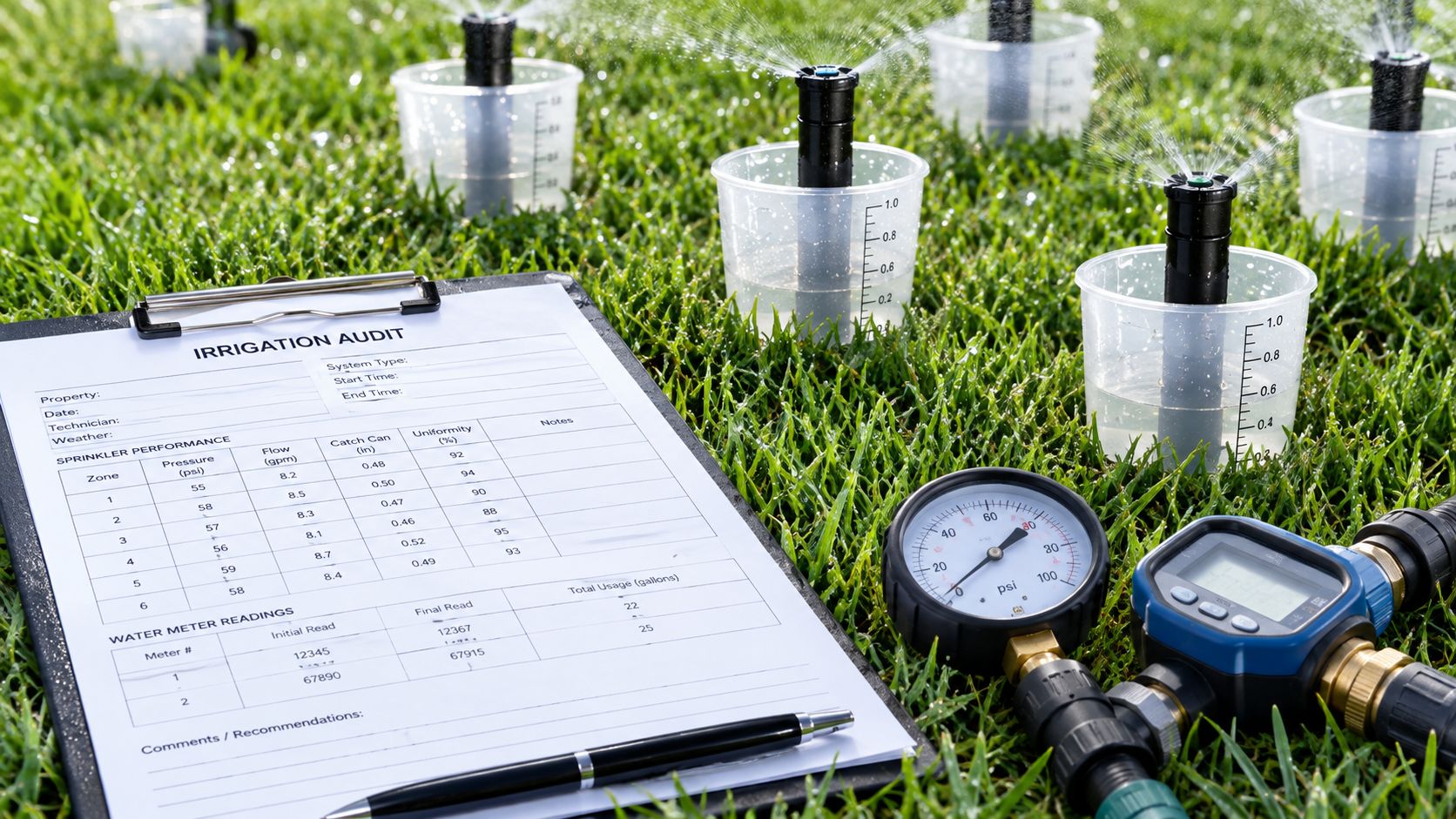
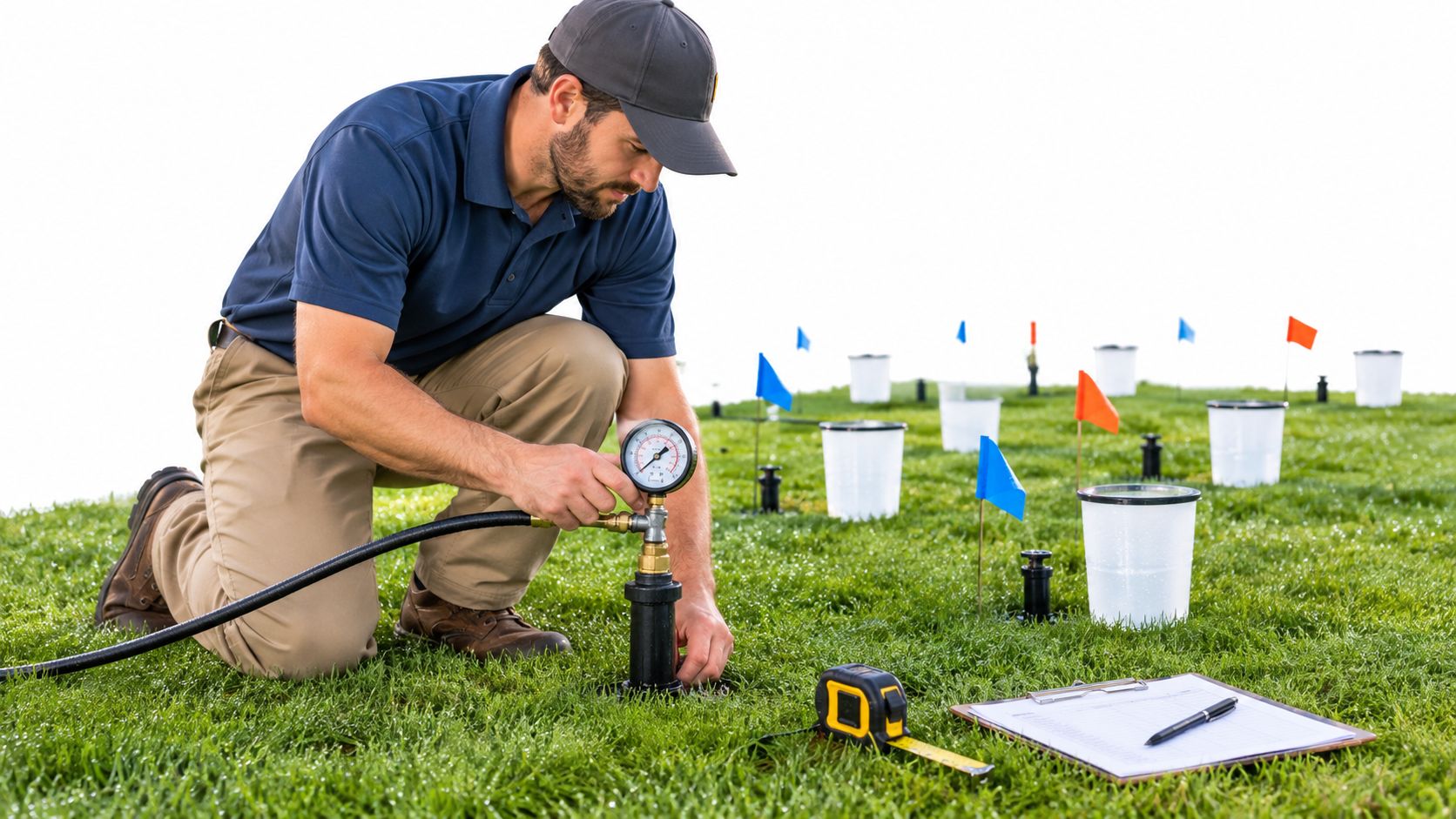
Start by mapping irrigation zones, fixtures, and any known trouble spots. Document what's installed, where the shutoffs are, and which areas usually generate complaints or exceptions. Baseline current water use before you change anything, because without a starting point you won't know whether the system improved operations or just changed the chart.
If this step is skipped, teams end up debating anecdotes. One person says the site is using less water, another says the turf looks worse, and nobody has the evidence to settle it.
Phase 2 Design and install
Choose the controller, sensor layout, and connectivity model based on the site's real constraints. A campus with dense landscaping needs different sensor placement than a retail pad site with scattered beds and long runs. Make sure the connectivity approach is practical for every zone you want to see, because weak signal coverage turns a smart system into a patchy one.
This is also the point where vendor instructions matter less than field reality. If the install plan doesn't account for access, power, and maintenance access, the nicest dashboard in the world won't help much.
Phase 3 Commission and optimize
Test alerts, train staff, and set thresholds for abnormal flow or unexpected watering events. Then revisit schedules seasonally, because a good spring setup can become a bad summer setup fast. Integrate the data into your broader workflow so the irrigation team, facilities staff, and outside service partners don't all work from different versions of the truth.
A good pilot should leave you with three things, a working alert path, a staff member who knows what to do next, and enough data to decide whether to scale.
How to Evaluate Vendors Without Getting Burned
The smartest buyers don't start with hardware specs. They start with the way the system fits into the rest of the property's operations. If the platform can't talk to your existing workflow, or if the data gets trapped behind a vendor wall, the site can end up with more screens and less control.
Score the vendor on five things
- Integration: Can it work with the controllers, meters, or building systems you already have, or does it require a full rip-and-replace?
- Data ownership: Can you export your data cleanly, or does the vendor control access?
- Service response: If a sensor fails or a zone misfires, who responds, and how fast?
- Cybersecurity posture: How is access handled, and who can change settings remotely?
- Analytics quality: Does the dashboard show useful exceptions, or just pretty charts?
A common trap is proprietary lock-in. Some systems need a special hub, others charge extra for reporting that should be standard, and some look flexible in a demo but become awkward once you try to manage multiple sites. Those problems show up later, usually after the pilot is already approved.
Prestonwood Commercial Landscape Services is one option for properties that want irrigation audits, repairs, and central water management as part of a broader program, but the same evaluation rules still apply. Ask how the data moves, who owns it, and what happens when the site needs support outside normal hours.
Short rule for procurement: if the answer to your data-export question is vague, keep digging.
A pilot is still the safest way to buy. Start with one property, define success before install day, and scale only after the system proves it can fit both the site and the team.
Trade-offs, Limitations, and Smart Next Steps
Smart water isn't magic, and it doesn't solve governance problems by itself. Recent research on digitized water governance makes a useful point, outcomes depend on institutional capacity, community engagement, and management structures, not just the hardware. On a commercial site, that translates into simpler questions: who sees the alert, who has authority to act, and who owns the data after the installer leaves?
The equity and control angle matters too. A system can be technically strong and still frustrate the people who have to use it if alerts go to the wrong inbox or permissions are too locked down. The best programs treat technology as part of the operating model, not a substitute for one.
Your next steps can stay practical. Schedule a baseline audit. Define two success metrics you can measure. Ask for a 90-day pilot. Require data export rights in the contract. If the vendor can't support those basics, the platform may be better at selling than serving.
A CTA for Prestonwood Commercial Landscape Services.