Commercial grounds maintenance typically costs $800 to $1,600 per acre per month, but the true price depends on visit frequency, scope complexity, and site size, not acreage alone. A low bid can be expensive if it omits visits, irrigation response, pruning, seasonal color, or other work the property needs.
A property manager can often spot the problem before signing. The bid looks attractive, but the mowing schedule is vague, irrigation repairs are billed separately, and “bed care” has no definition. Months later, turf declines, weeds spread through ornamental beds, and every correction arrives as a change order.
The strongest commercial grounds maintenance services prevent that drift. They connect routine labor, irrigation performance, seasonal planning, documentation, and vendor accountability into one operating plan. The following framework focuses on the economics that tend to stay hidden until the grounds start costing more than expected.
Table of Contents
- Why Commercial Grounds Maintenance Matters for Property Managers
- What Is Included in Commercial Grounds Maintenance Services
- How to Evaluate Service-Level Standards
- Understanding Commercial Grounds Maintenance Pricing
- The Hidden Economics of Irrigation Management
- How to Choose a Commercial Grounds Maintenance Vendor
- Building a Long-Term Maintenance Partnership
Why Commercial Grounds Maintenance Matters for Property Managers
A property manager can spot an under-scoped maintenance plan before signing. One site has shrubs blocking a walkway, puddles near the entrance, thin turf around irrigation heads, and faded seasonal beds. Across the drive, a comparable property has clean edges, open sightlines, healthy plant material, and irrigation operating before visitors arrive.
The difference reaches daily operating costs and tenant experience. Commercial grounds maintenance services protect daily operations, including pedestrian movement, visibility, and the appearance visitors associate with the property. A missed pruning cycle can restrict access or sightlines. A leaking valve can damage turf and wash away soil. A neglected bed can turn routine weed control into a restoration project.

Maintenance is part of asset protection
Recurring care represents a substantial share of the landscaping business. Maintenance represented 44.32% of U.S. landscaping market share in 2025, reflecting recurring demand across commercial, institutional, and municipal properties, according to IBISWorld's landscaping services industry data.
That contract structure affects the budget. Lower visit frequency may reduce the monthly fee, but missed mowing, delayed pruning, and slower irrigation response can create corrective work later. A bid that excludes inspections, leak response, or seasonal attention can shift costs into repairs and change orders.
Regular mowing and edging maintain presentation. Fertilization, weed control, pruning, and irrigation checks protect the living systems beneath it. A contract that responds only after visible failure manages symptoms rather than the grounds.
Practical rule: Treat recurring maintenance as preventive asset care, not as a cosmetic line item.
Small omissions create larger costs
Scope gaps rarely appear on the first invoice. They show up as brown turf after a controller fault, blocked lighting after uncontrolled growth, or emergency labor following storm damage. The property manager then pays through a repair, replacement, tenant complaint, or rushed approval.
A reliable program defines the service standard, visit frequency, irrigation responsibilities, and owner for each task. That structure makes the grounds easier to budget and inspect, while giving property managers clear evidence when ownership asks why consistent funding is necessary.
What Is Included in Commercial Grounds Maintenance Services
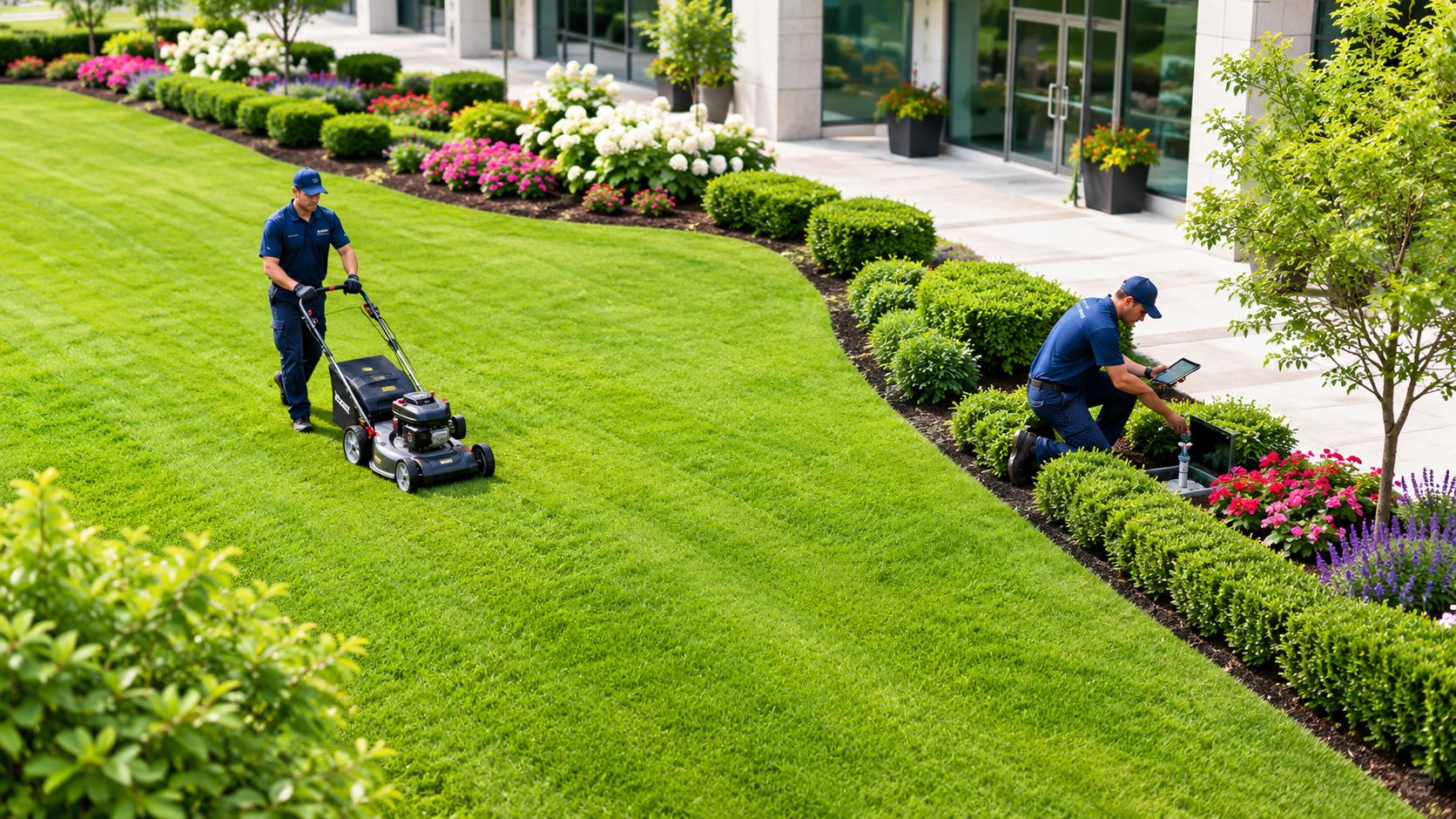
A complete program starts with routine presentation, but it can't stop at weekly mowing. Mowing, trimming, edging, blowing, and litter removal establish the visible baseline. Crews need to define how they handle curbs, sidewalks, parking areas, tree rings, and hard-to-reach edges because an apparently simple mowing visit can leave the most visible details unfinished.
Pruning and arbor care serve a different purpose. They preserve plant structure, maintain clearances, protect sightlines, and reduce the chance that branches interfere with buildings, vehicles, or pedestrians. Seasonal color, fertilization, weed control, pest management, bed care, and ornamental maintenance then support the health and presentation of the site across changing conditions.
Map every task to an operating result
| Service Component | Primary Function | Common Scope Gaps |
|---|---|---|
| Mowing and edging | Maintain turf height, boundaries, and presentation | Unclear visit cadence, missed edges, inconsistent height |
| Pruning and arbor care | Protect structure, visibility, and clearances | Height limits, tree work exclusions, debris removal |
| Fertilization and weed control | Support plant health and suppress unwanted growth | Product applications, retreatments, reporting |
| Seasonal color and bed care | Maintain visual impact in high-visibility areas | Rotation timing, plant quantities, replacement responsibility |
| Pest management | Address damaging insects or disease before escalation | Inspection frequency, treatment approvals, excluded species |
| Irrigation management | Deliver water efficiently and maintain system performance | Controller adjustments, leak response, parts, after-hours work |
| Inspections and reporting | Document conditions and completed work | Photo standards, issue ownership, closeout records |
The most expensive ambiguity usually sits in irrigation. A proposal may say “irrigation included” while excluding controller programming, broken heads, valve diagnosis, or water-use review. Before comparing bids, use a detailed commercial landscape maintenance checklist to separate recurring service from repairs, enhancements, and emergency response.
Look for the handoffs between services
These services interlock. Mowing can't compensate for poor turf nutrition. Fertilization won't rescue a root zone damaged by chronic overwatering. Pruning without debris removal leaves the property looking unfinished, while seasonal color without irrigation oversight increases the risk of plant loss.
Ask the vendor to identify who notices a problem, who records it, who approves the work, and who verifies completion. Those handoffs determine whether the contract operates as a coordinated maintenance plan or as a collection of disconnected visits.
How to Evaluate Service-Level Standards
A contract becomes useful when a third party can verify whether the provider met it. “Maintain the property in good condition” sounds reasonable, but it doesn't tell a supervisor how to judge missed edges, late visits, incomplete debris removal, or an unresolved irrigation fault.
Start with the service calendar. Match visit cadence to growth, traffic, and visibility rather than accepting a generic schedule. Active growing periods may require weekly mowing, while dormant periods can support less frequent visits, provided the contract explains the trigger for changing cadence. High-traffic entrances and tenant amenity areas may also need a different standard from low-visibility perimeter zones.
Put response expectations in writing
Define what happens when a storm damages a tree, an irrigation zone fails, or a hazard appears near a walkway. The agreement should identify the reporting channel, acknowledgement process, escalation path, and approval threshold for corrective work. Without those details, the property manager becomes the coordinator for every exception.
Use a service-level review that checks:
- Visit completion: Confirm the scheduled service occurred and identify skipped or shortened visits.
- Quality checkpoints: Inspect edging, pruning clearances, bed appearance, debris removal, and visible irrigation issues.
- Issue closure: Require an owner, status, and completion note for every reported defect.
- Communication records: Review photos, work orders, inspection notes, and follow-up messages.
Test the vendor before signing
Request a sample route report, quality-control checklist, irrigation inspection record, and escalation email. The format matters less than the evidence trail. A provider that can show what crews inspect, what supervisors review, and how unresolved items remain visible is easier to manage than one that only sends an invoice.
A service standard should describe the finished condition, the inspection method, and the response when the condition isn't met.
Understanding Commercial Grounds Maintenance Pricing
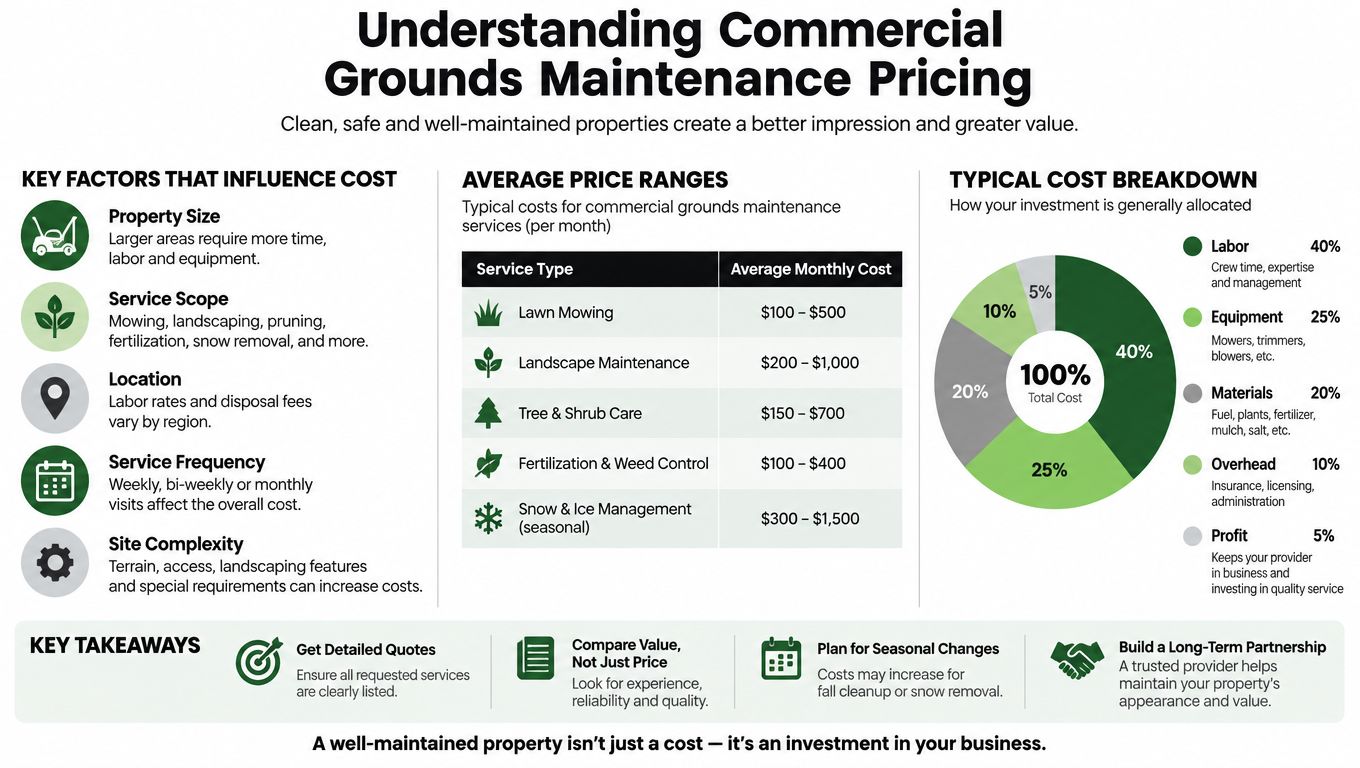
The benchmark is useful, but only when you treat it as a starting point. Commercial grounds maintenance commonly falls around $800 to $1,600 per acre per month, or approximately $9,600 to $19,200 per acre per year, with square-foot pricing often around $0.10 to $0.30 per square foot per month, according to commercial landscape maintenance pricing benchmarks.
Those ranges don't price acreage in isolation. They reflect the labor and coordination required to service the site. A compact property with dense beds, frequent edging, many entrances, and demanding presentation standards may require more work than a larger site with broad turf and fewer obstacles. Visit frequency, labor hours, route density, and scope complexity shape the actual cost.
Pressure-test an unusually low bid
A bid materially below the benchmark isn't automatically wrong. It is a reason to ask better questions. Contractors may be pricing fewer visits, shorter labor windows, limited bed work, or a narrower repair obligation. If those exclusions aren't visible, the property manager may mistake a reduced scope for a lower operating cost.
Compare proposals line by line:
- Scheduled visits: How many visits are included during active and dormant periods?
- Labor scope: Are mowing, edging, pruning, blowing, litter removal, and bed care all included?
- Seasonal work: Are color rotations, mulch, fertilization, and plant replacements separate?
- Irrigation response: Does the price cover inspections, controller changes, diagnosis, parts, and emergency calls?
- Reporting: Will the vendor document completed work and unresolved conditions?
Price the consequences, not only the invoice
The cheapest monthly figure can produce a higher annual burden if it leads to failed plant material, repeated complaints, emergency visits, or frequent change orders. Conversely, a higher bid may be inefficient if it includes services the property doesn't need.
Bid comparison should expose scope differences before it compares prices.
Managers should ask each bidder to price the same service map, frequency, quality standard, and response obligation. That creates a meaningful comparison and makes the hidden economics visible before the contract begins.
The Hidden Economics of Irrigation Management
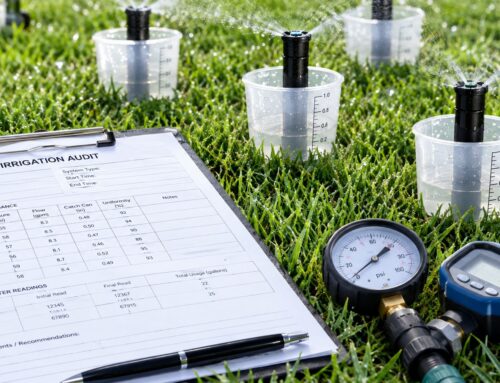
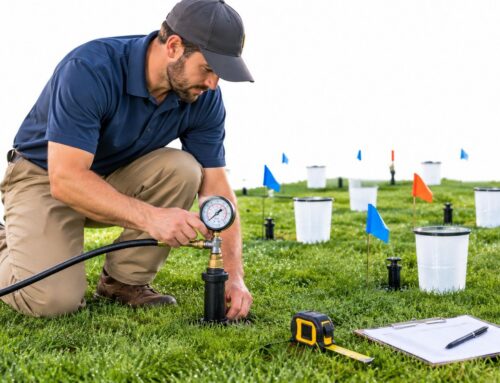
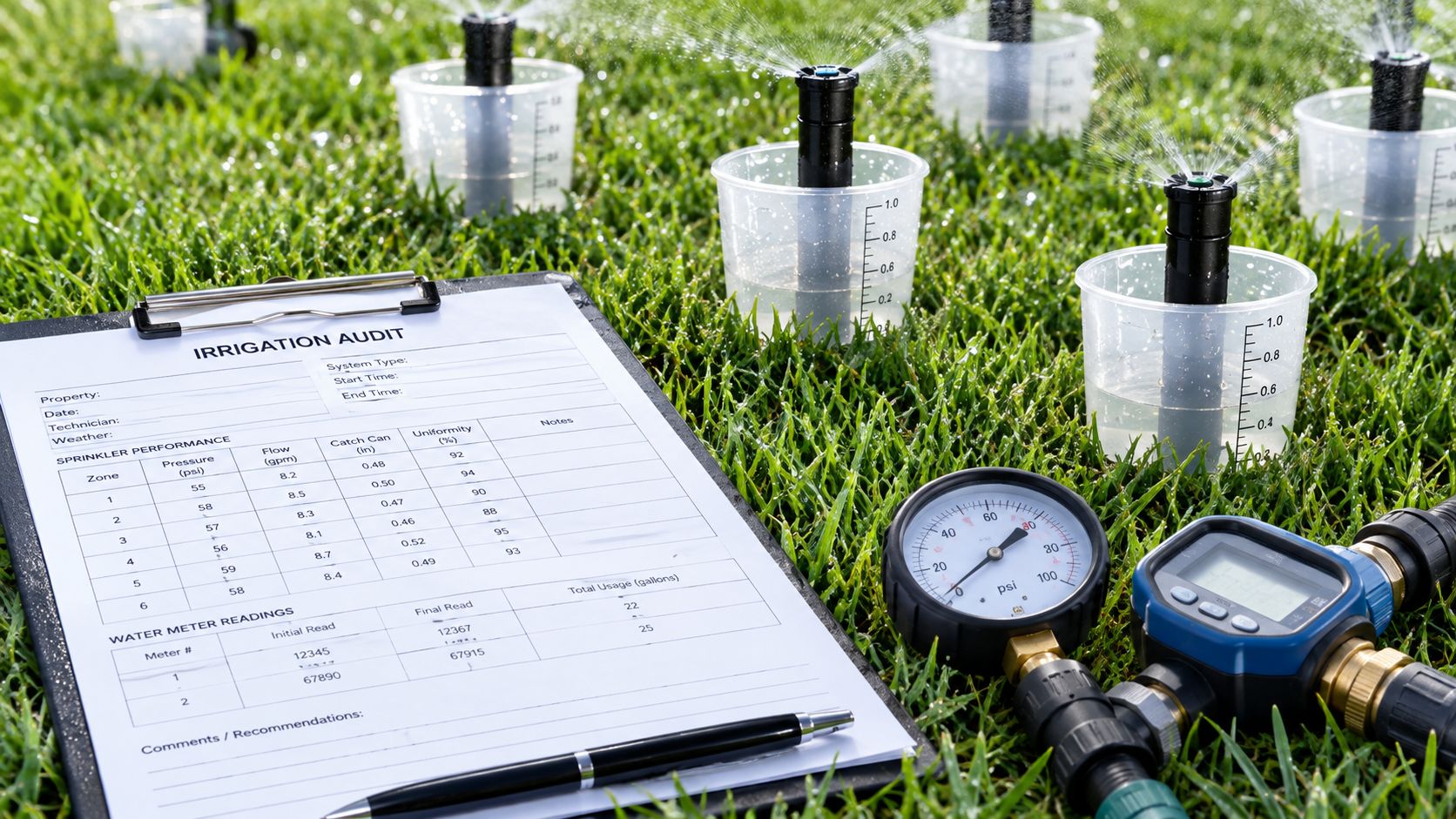
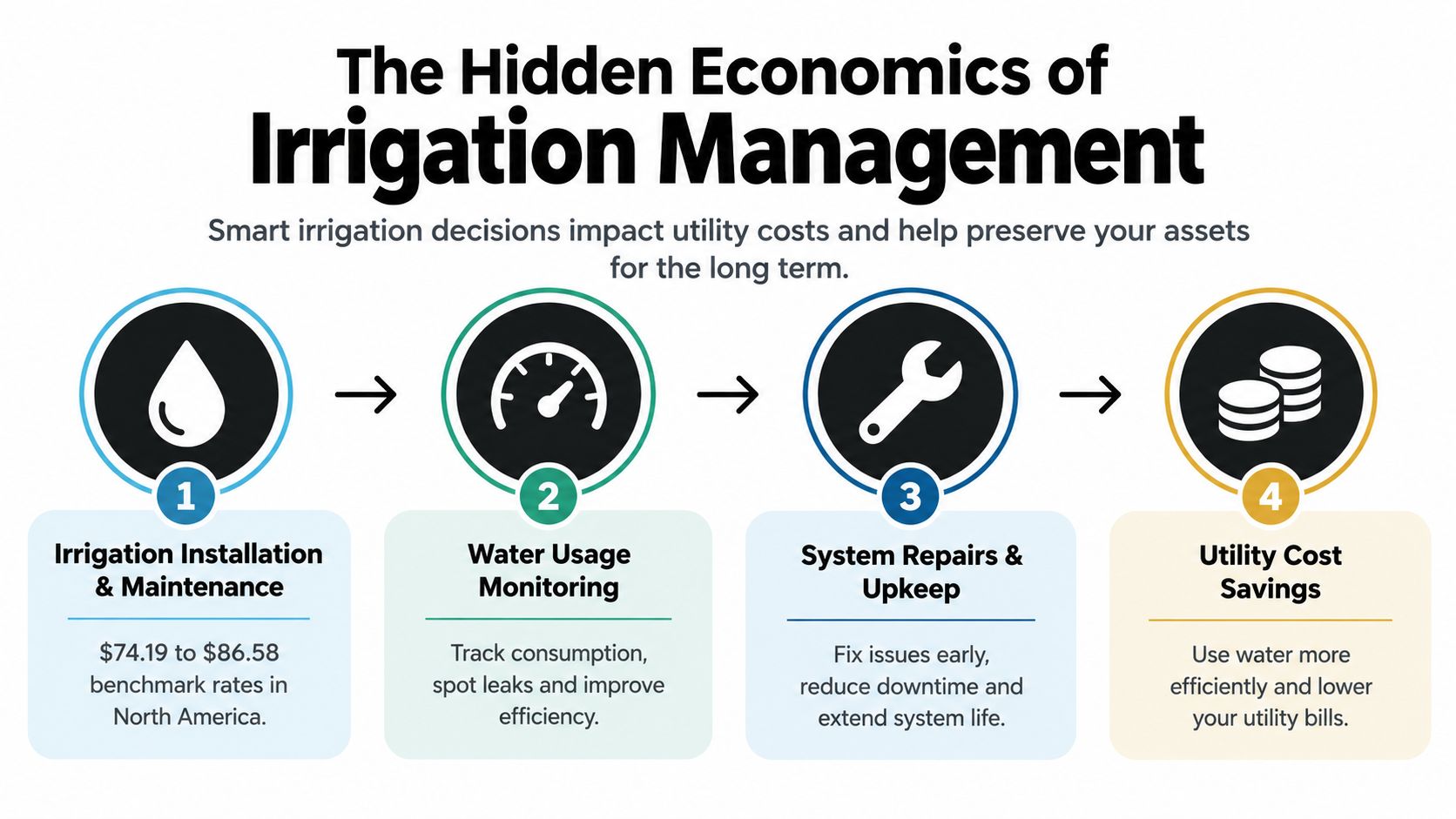
Irrigation is where a maintenance decision becomes a utility and asset-preservation decision. Benchmark data place irrigation installation and maintenance rates around $74.19 to $86.58 in the cited North American survey, while irrigation can account for up to 30% of commercial facility water consumption, according to the facility irrigation benchmarking report.
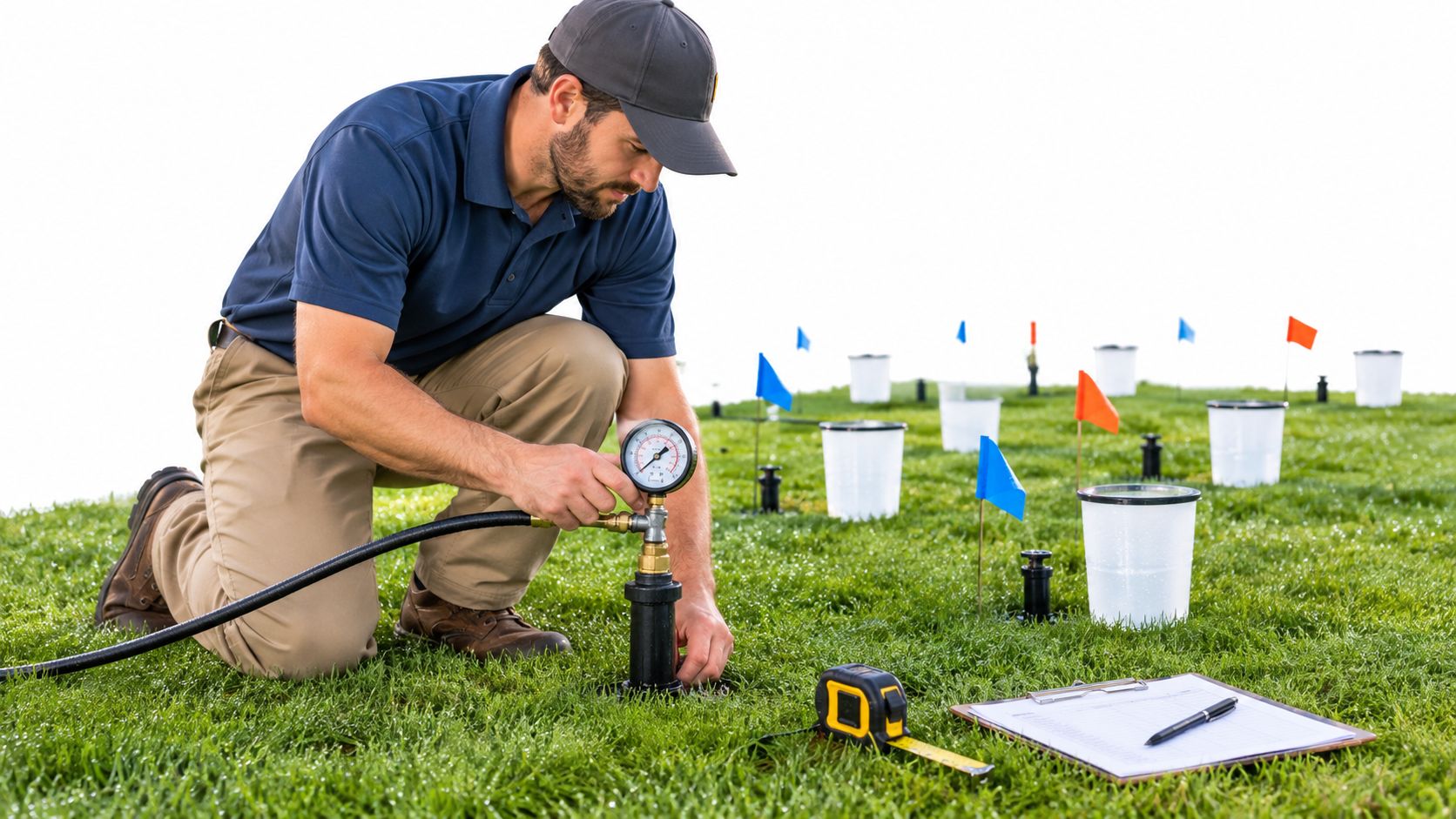
A leaking valve doesn't just waste water. It can saturate one area, starve another, weaken turf, stain hardscape, and create rework for the maintenance crew. A misconfigured controller can run a zone too long, while a clogged head leaves dry patches that managers may incorrectly blame on mowing or fertilization.
Monitor the signals that reveal waste
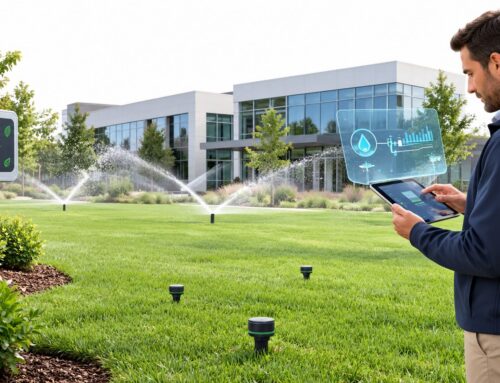
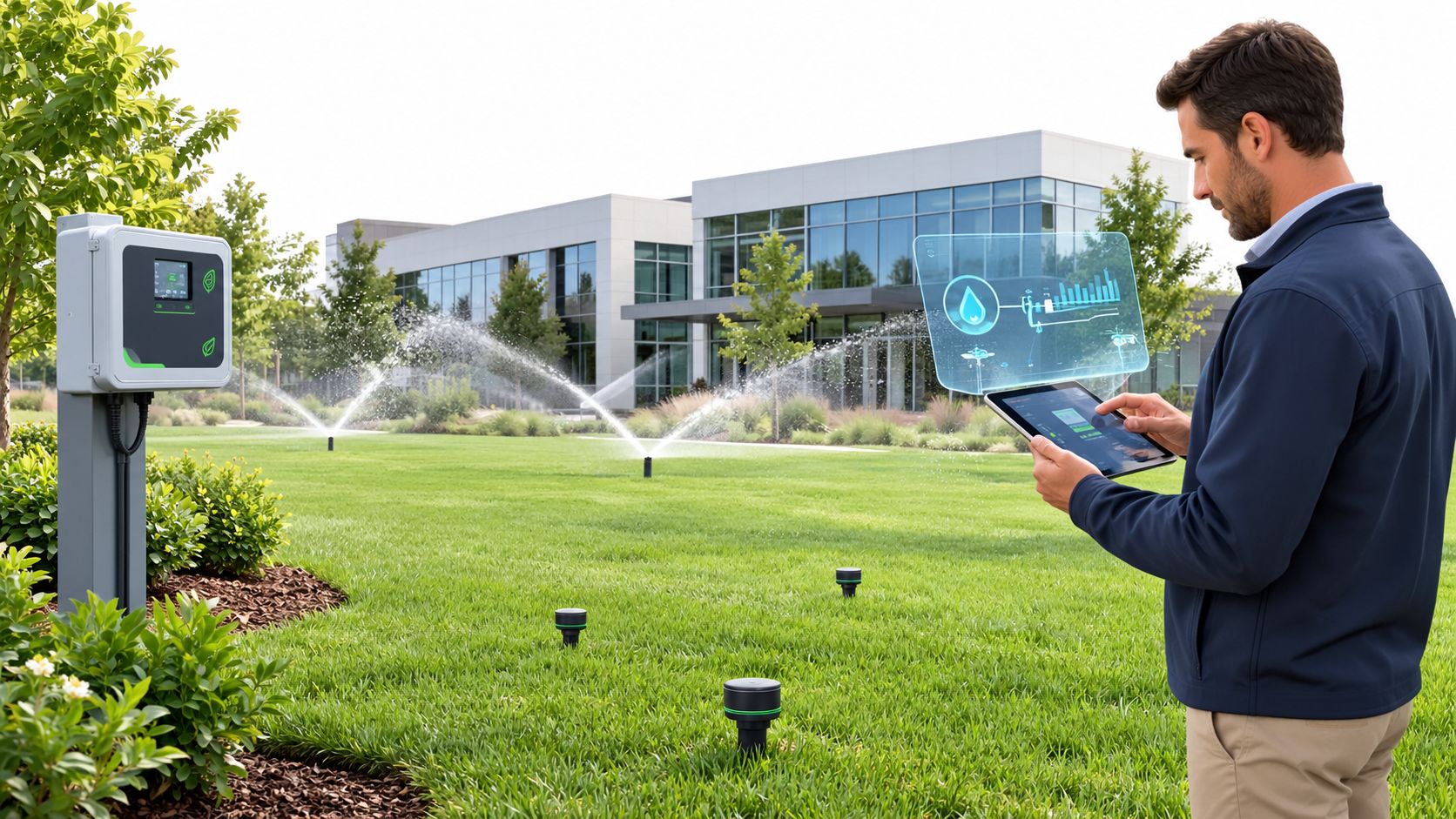
Smart irrigation management can reduce water use by 15% to 40% in the first year, based on the same irrigation benchmarking research. The opportunity isn't limited to installing a new controller. It often starts with accurate zone information, seasonal scheduling, functioning valves, matched heads, and a process for reviewing abnormal use.
Watch for:
- Zone-runtime mismatches: A zone running longer than its plant material and exposure require can indicate programming or hydraulic problems.
- Water use above seasonal norms: A sustained increase can point to leaks, stuck valves, sensor failure, or unauthorized adjustments.
- High component replacement: Emitter or head replacement rates above 10% in a quarter signal that the system deserves an audit, according to the same facility irrigation source.
Assign irrigation ownership
The contract should state who reviews controllers, responds to leaks, documents repairs, and confirms that corrected zones perform properly. Managers should also distinguish routine adjustments from capital repairs so a technician can act quickly without creating approval confusion.
A practical water conservation and irrigation management resource can help teams frame that conversation around consumption, plant health, and long-term system reliability rather than treating irrigation as an isolated repair category.
How to Choose a Commercial Grounds Maintenance Vendor
Vendor selection should begin with property fit. An office center, retail corridor, industrial park, healthcare campus, hotel, and education site place different demands on access, appearance, safety, traffic control, and response time. A portfolio full of attractive residential work doesn't prove that a provider can coordinate crews around commercial operations.
Compare local and national providers on the same criteria. A national chain may offer standardized systems and broad coverage, while a local provider may offer closer field oversight and faster decisions in its service area. Neither model guarantees performance. The question is whether the organization can deliver consistent site standards and communicate clearly when conditions change.
Ask for evidence, not assurances
Review projects similar in scale, plant palette, traffic level, and irrigation complexity. Request references from current or recent clients, then ask those references about missed visits, issue resolution, billing clarity, supervisor involvement, and seasonal planning. A polished proposal matters less than the vendor's behavior after a problem is reported.
Industry data also provides a useful retention signal. A 2025 green services industry report found that 35% of contractor revenue came from repeat customers and 26% from word-of-mouth referrals, as reported in the 2025 Landscape Industry Report. Those figures don't certify an individual provider, but they reinforce why reference checks and client continuity are valuable.

Compare the operating model
Ask each candidate to demonstrate:
- Field supervision: Who inspects the property, and how often does that person meet the manager?
- Technology use: Can the provider show scheduling records, photo documentation, work orders, and quality checks?
- Branch coverage: Can one team maintain consistent standards across a multi-property portfolio?
- Training: How do crews learn pruning, equipment safety, irrigation response, and site-specific requirements?
- Escalation: Who makes decisions when weather, access, pests, or plant failure changes the plan?
For a deeper procurement framework, review what property managers should look for in a commercial landscaping partner. The right vendor won't merely promise a clean site. It will show how its people produce and verify that result.
Building a Long-Term Maintenance Partnership
A strong maintenance relationship changes the manager's weekly experience. Instead of discovering a failing bed during a tenant complaint, the manager receives an inspection note with the affected area, likely cause, recommended action, and approval path. Instead of waiting for a high water bill to expose a leak, the team reviews irrigation performance as part of ordinary site care.
That operating rhythm creates value beyond appearance. Seasonal planning keeps color rotations, pruning, fertilization, and irrigation adjustments from becoming last-minute purchases. Clear records support budget requests and capital planning. Consistent inspections also help the property team distinguish normal wear from a vendor failure or a system defect.
Build shared ownership into the contract
The best arrangement gives both sides a defined role. The vendor owns execution, documentation, field recommendations, and timely escalation. The property manager owns access, approvals, priorities, and communication with ownership or tenants. Regular reviews then focus on conditions and decisions rather than debating what happened weeks earlier.
Useful partnership habits include:
- Seasonal planning meetings: Set priorities before growth, heat, dormancy, or storm periods create pressure.
- Issue trend reviews: Look for recurring leaks, plant loss, missed areas, or repeated change orders.
- Lifecycle discussions: Compare repair, replacement, renovation, and irrigation-efficiency options before failure forces the decision.
- Portfolio standards: Use shared checklists and reporting formats across properties where consistency matters.
The same discipline applies to other operational relationships, including onboarding suppliers for electric vehicles. Clear requirements, documented handoffs, and defined accountability make complex supplier programs easier to manage, whether the asset is a charging system or a living garden.
Prestonwood Commercial Grounds Services is one option for property managers seeking routine maintenance, seasonal color, irrigation audits and repairs, central water management, and grounds construction support across Dallas–Fort Worth and San Antonio. The provider also uses scheduling, quality-control, and communication tools to support ongoing commercial site care.
Ask your current vendor to document visit frequency, exclusions, irrigation responsibilities, and response standards before the next renewal. For a site-specific maintenance plan that connects turf, beds, irrigation, seasonal work, and reporting, visit Prestonwood Commercial Landscape Services and request a property review.