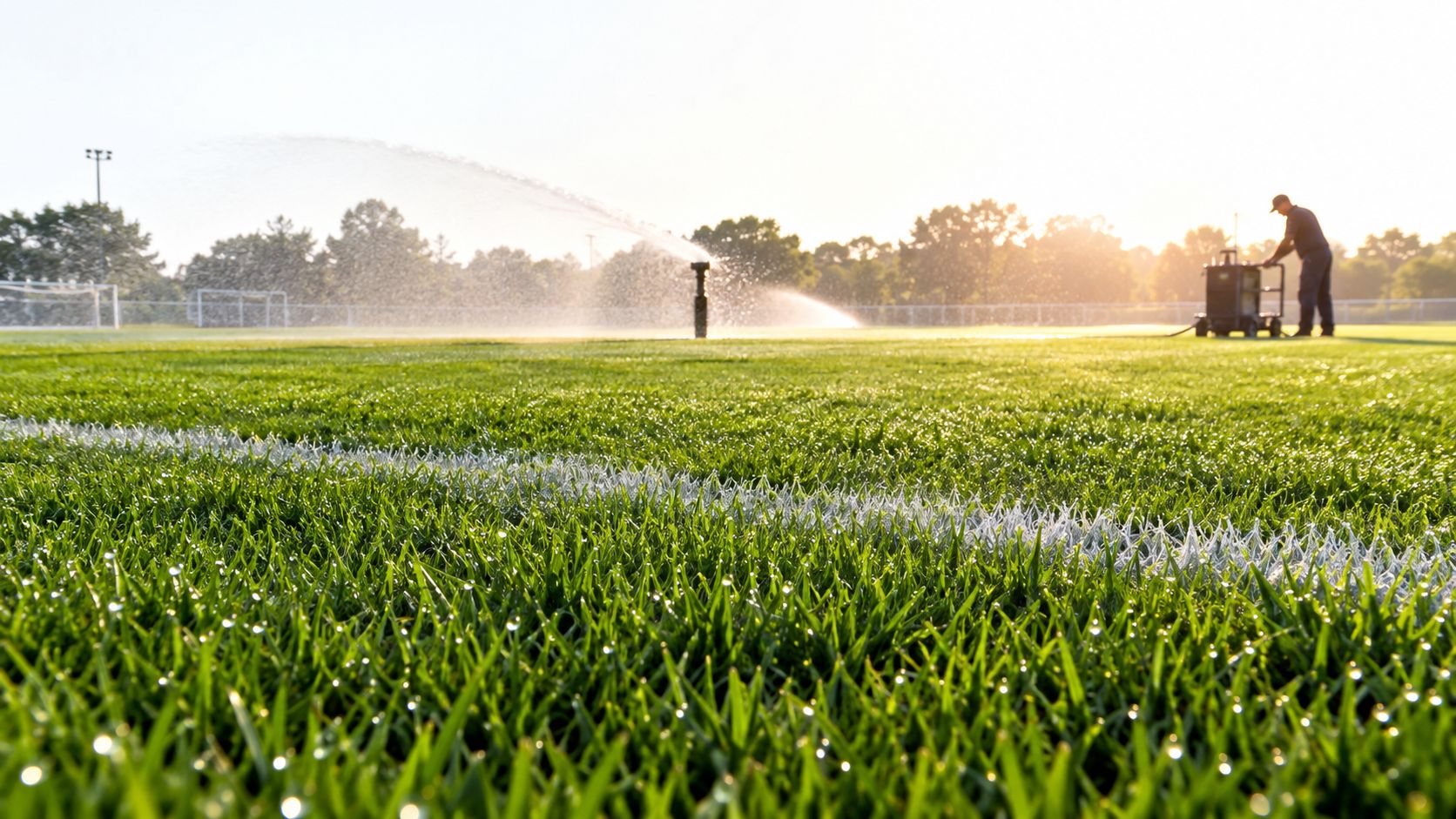
Friday night arrives with a full schedule, a forecast that brought recent rain, and a crew working against the clock. Players are warming up, coaches are studying matchups, and facility staff are looking for puddles, soft spots, torn turf, and uneven footing before anyone takes the field. The grass may look green from the stands, yet the soil underneath can still be compacted, saturated, or unable to drain.
That moment captures the responsibility behind athletic fields maintenance. Mowing and lining matter, but they're only visible parts of a larger operating system. Water controls turf growth and budget pressure. Soil structure controls infiltration, oxygen, and traction. Traffic determines how quickly the surface loses density. Scheduling decides whether the field gets enough recovery time to remain safe and playable.
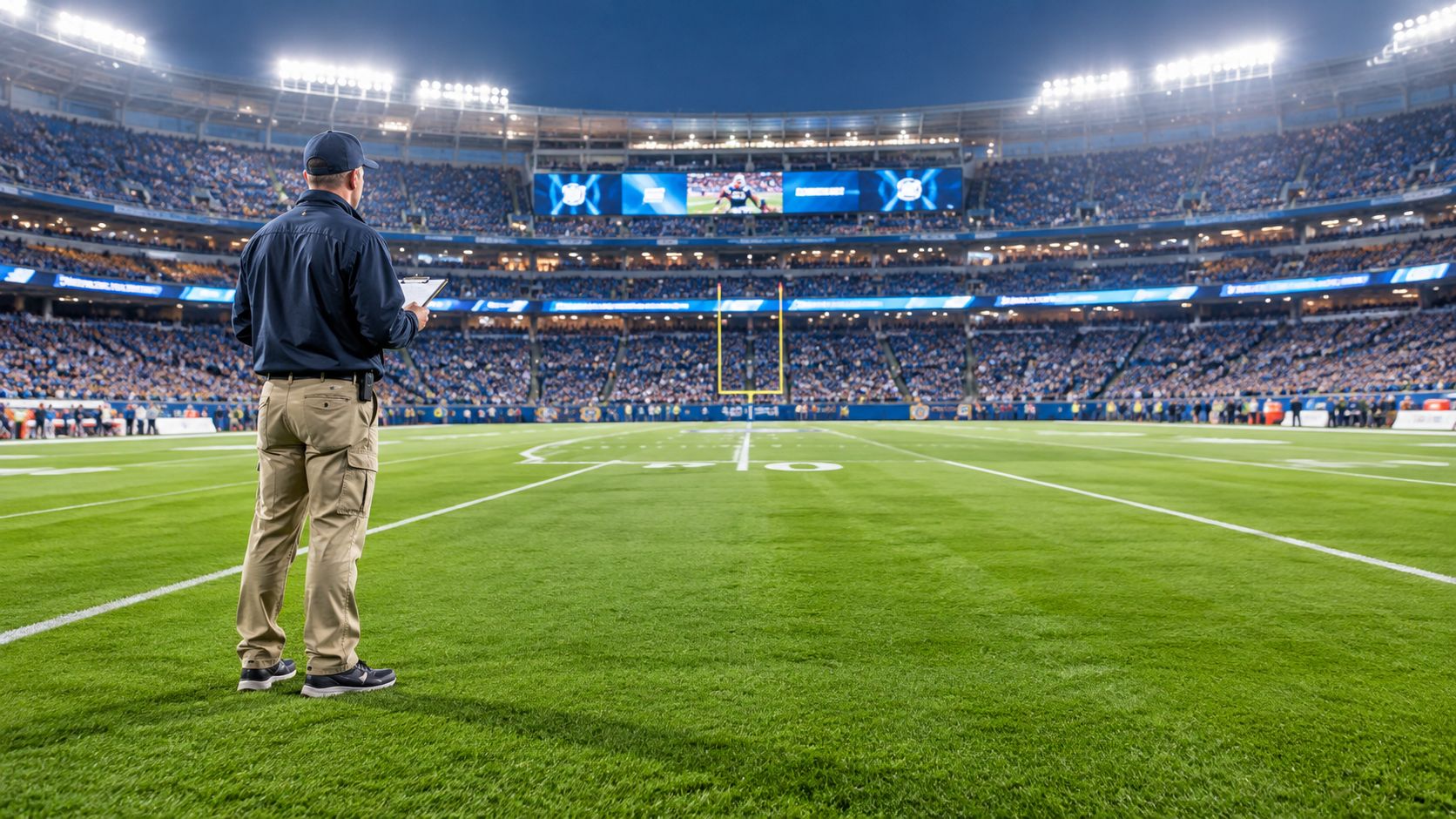
This guide is for school administrators, parks directors, campus leaders, commercial property managers, and anyone responsible for a natural-grass athletic surface. It treats the field as a living, working surface that needs the right balance of water, air, nutrients, traffic, and rest.
You'll learn how to evaluate a complete program, protect turf density, manage irrigation, decide when a field should close, plan equipment and labor, and connect maintenance choices to long-term cost control. The central lesson is simple: healthy soil plus disciplined water management creates the foundation for safe play.
Table of Contents
- Introduction Why Athletic Fields Demand a System Not Just Mowing
- What a Complete Athletic Fields Maintenance Program Includes
- Turf Care Essentials That Keep Fields Safe and Playable
- Irrigation and Water Management for Healthier Turf and Lower Costs
- Scheduling Field Use and Protecting Player Safety
- Equipment Staffing and Budget Planning for Commercial Fields
- Putting It All Together for Consistently Playable Fields
Introduction Why Athletic Fields Demand a System Not Just Mowing
A mower can make a field look cared for in a single morning. It can't correct a compacted center, repair a drainage problem, replace missing turf, or tell you whether the soil is too wet for play. Those decisions require observation, records, and a maintenance plan built around the way people use the field.
On game day, surface appearance can hide operational risk. A field with thin cover may expose hard soil under traffic. A saturated area may lose traction even when the grass is tall and green. Repeated vehicle movement near sidelines can create ruts that affect footing and water flow. These conditions can disrupt play, create avoidable safety concerns, and force closures that affect schedules, rentals, and public confidence.
A field isn't ready because it looks green. It's ready when the surface, soil, drainage, irrigation, and use plan support the activity scheduled on it.
The strongest programs begin with the field's workload. A municipal complex hosting frequent practices needs a different recovery plan from a school field used for occasional events. A high-traffic surface in a hot climate needs tighter irrigation control, more frequent observation, and clear limits on use when soil moisture rises. A facility director should expect the maintenance team or contractor to explain those choices in plain language.
The system has several connected parts:
- Turf health determines density, recovery, and wear tolerance.
- Soil and drainage determine whether water and oxygen can move through the root zone.
- Irrigation supports growth while controlling waste and operating cost.
- Scheduling and safety checks determine when the field plays, rests, or closes.
- People and equipment turn the plan into consistent daily work.
The following sections build those connections from the ground up. You'll see how to assess a program, identify gaps, set practical water and cultivation priorities, compare use decisions, and create an operating model that protects both player experience and the field budget.
What a Complete Athletic Fields Maintenance Program Includes
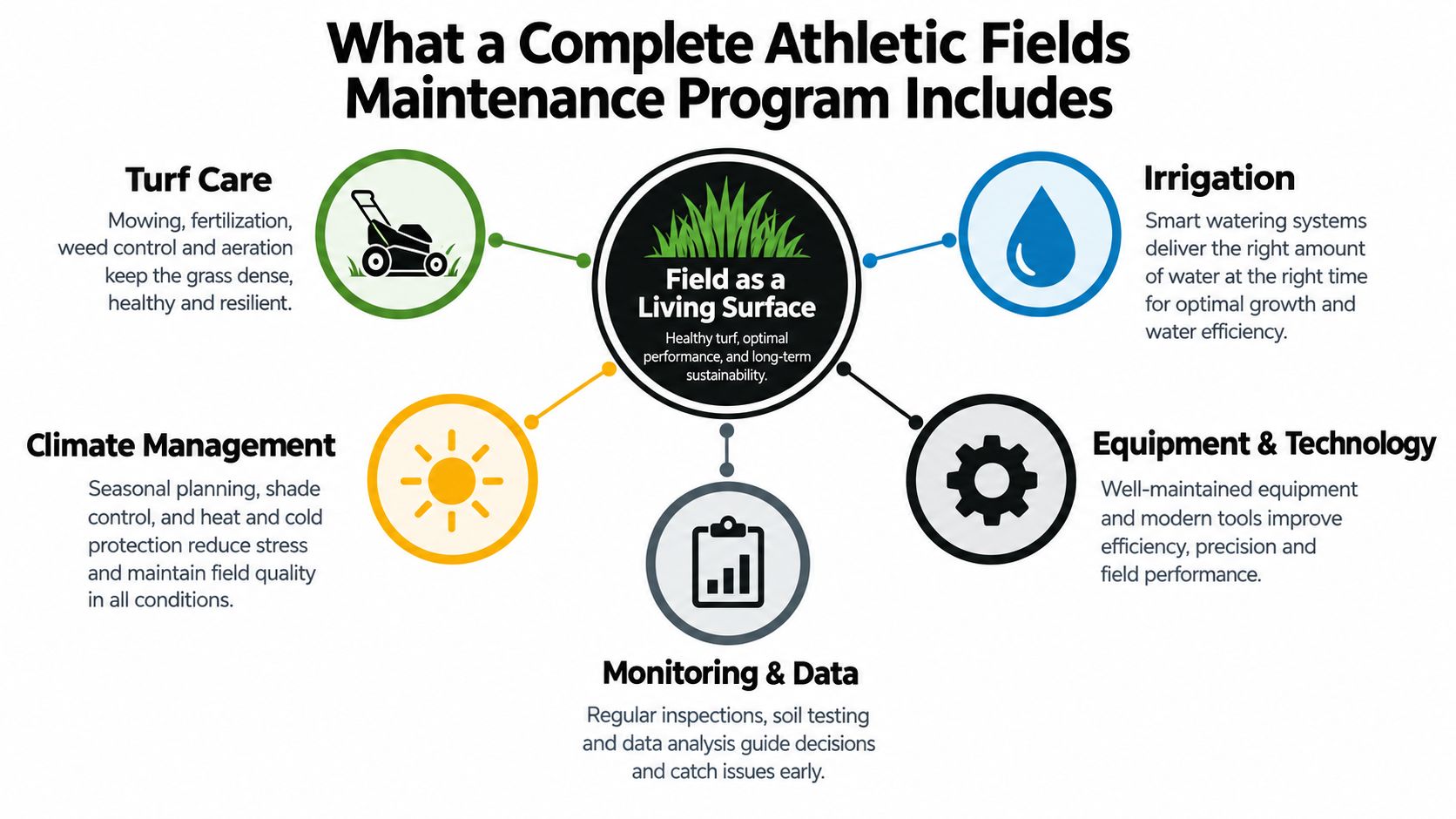
A useful analogy is to think of the field as a living building. The turf is the visible roof, the soil is the foundation, irrigation is the water supply, drainage is the plumbing, and the maintenance crew is responsible for inspecting and repairing the whole structure. Polishing the roof while ignoring the foundation won't keep the building functional, and mowing alone won't keep a playing surface reliable.
Start with turf health
Mowing, fertility, overseeding, pest observation, and recovery work support the plant itself. The crew should know the turf species, seasonal growth pattern, mowing requirements, and areas that receive the most wear. A program that treats every part of the field identically usually misses the difference between goal mouths, center zones, sidelines, and vehicle access points.
Treat soil as infrastructure
Compaction reduces pore space and limits the movement of air and water. Drainage problems then appear as slow recovery, standing water, soft footing, or dry areas that irrigation can't correct evenly. Cultivation, topdressing, grading, and drainage inspection belong in the core plan, not on a wish list.
Cornell's sports field cultivation guidance describes several responses to compaction, including coring, slicing, spiking, drilling, and water or air injection. The appropriate choice depends on soil type, traffic, moisture, and the level of disruption the field can tolerate.
Manage water as an operating resource
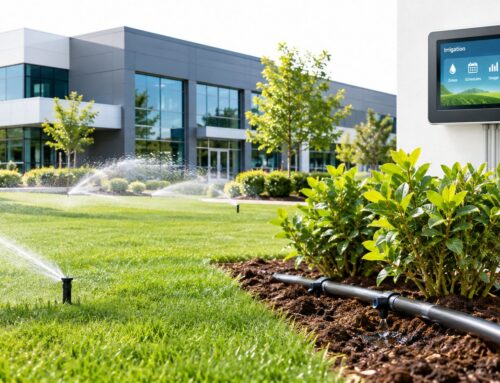
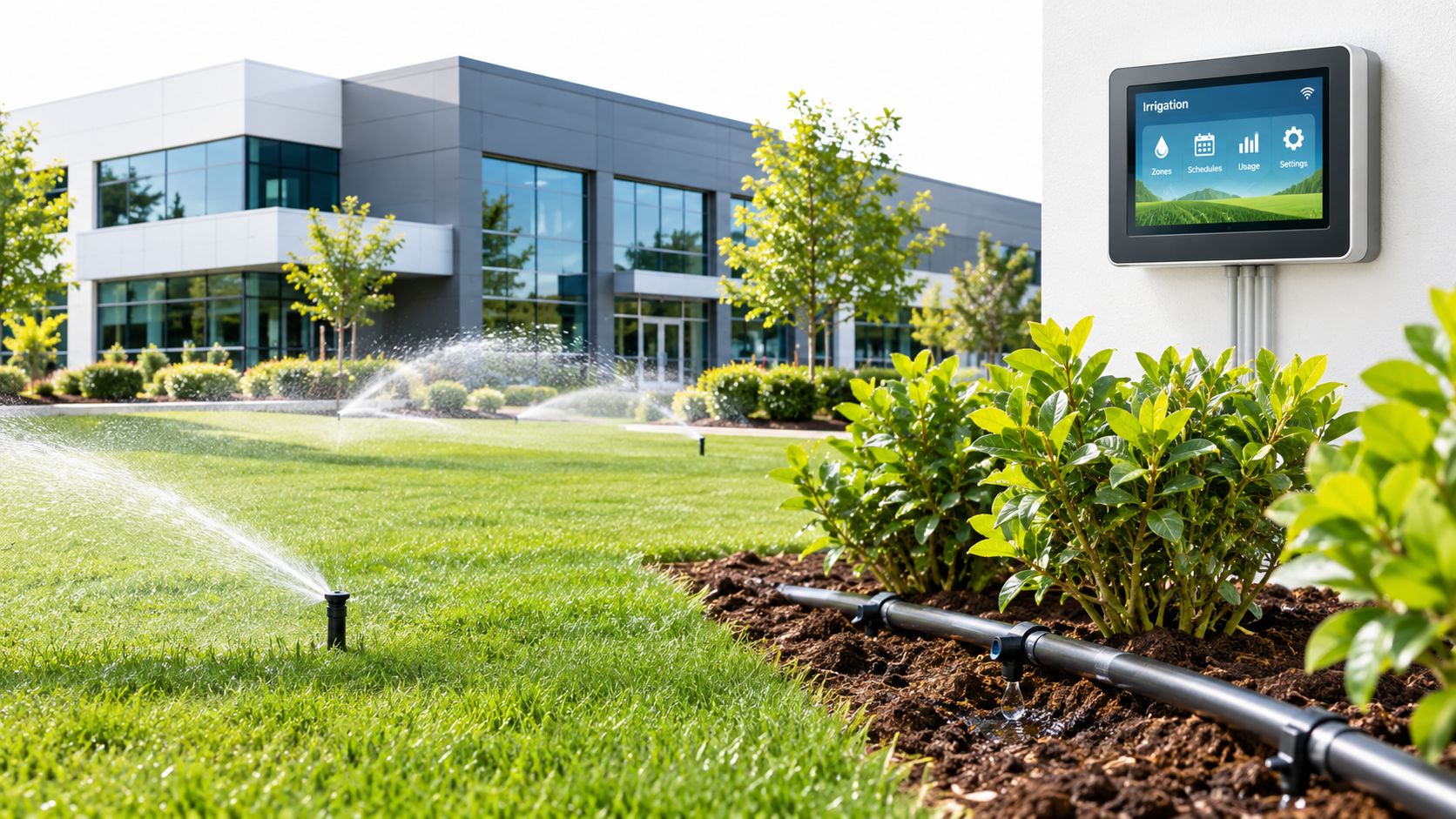
Irrigation should respond to weather, soil condition, turf demand, and field use. A complete plan includes controller settings, zone checks, distribution testing, repairs, seasonal adjustments, and a method for identifying overspray or runoff. Watering without checking coverage can leave one area dry while another becomes saturated.
Connect use to recovery
The calendar is part of agronomy. Practices, games, tournaments, maintenance windows, and closures should be coordinated so staff can protect high-wear areas before damage spreads. A field manager needs authority to restrict use when the surface cannot support safe play.
Give people the right tools
A reel or rotary mower, aerator, topdresser, spreader, line marker, moisture-testing tools, irrigation equipment, and safe transport practices all affect consistency. Equipment also needs trained operators and a service schedule. A complete proposal should state who performs the work, what gets inspected, how results are documented, and how urgent issues are escalated.
Turf Care Essentials That Keep Fields Safe and Playable
A field can look green and still be unsafe. After a week of practices, compacted soil may shed water, roots may lack oxygen, and worn areas may lose footing. Mowing matters, but turf care works more like managing a living playing surface: control plant growth, protect soil structure, and keep water moving through the root zone.
Mowing influences leaf area, rooting, recovery, and surface density. The right height depends on turf species, season, sport, weather, and available water. A higher cut can help conserve water during heat and traffic stress, as noted in North Carolina State University's athletic-field guide.
Mow often enough to remove a manageable amount of leaf tissue. Sharp blades make a clean cut, while dull blades tear leaves and slow recovery. Vary mowing patterns when practical, and watch for scalping over crowns, transitions, and uneven ground. During heat or drought, excessive mowing adds stress precisely when the plant has fewer resources to recover.
Build fertility around demand
Fertilizer should follow soil testing, turf growth, and the event calendar. Too much fertility produces rapid, tender growth that needs more mowing and may handle traffic poorly. Too little nutrition leaves the stand thin and slows recovery. The work plan should identify nutrient needs, application windows, weather limits, and the irrigation steps required after application.
Topdressing can smooth minor surface variation and move suitable material into the upper soil profile. Overseeding can restore seasonal color or thin areas, provided the selected turf matches the climate and has time to establish before heavy use.
Relieve compaction before it affects play
Foot and vehicle traffic reduce soil pore space. Less pore space means less oxygen for roots and less predictable water movement. Wet conditions make that problem worse, so field access and cultivation timing must match soil moisture.
Choose the treatment according to the depth and severity of the restriction:
- Core aeration removes plugs and opens compacted soil.
- Slicing or spiking creates channels with less surface disruption.
- Deep-tine work reaches lower layers when shallow treatment is insufficient.
- Sand topdressing can help maintain an open surface profile when it fits the soil program.
Facility directors can use these practices to assess a contractor. Ask which zones receive the most traffic, how compaction is identified, which equipment is used, and how the next event will be protected. Broader resilient grounds planning can connect field condition to staffing, scheduling, and budget decisions. For operational benchmarks, review Prestonwood's commercial turf maintenance standards. A field that drains, roots, and recovers consistently is easier to keep safe and playable, and easier to budget.
Irrigation and Water Management for Healthier Turf and Lower Costs
A field can look green and still have a weak root system. If water reaches compacted soil unevenly, some areas stay soft while others dry out, increasing stress, recovery time, and operating costs. Irrigation therefore works as part of the field's safety and playability system, not as a timer that runs independently of soil conditions.
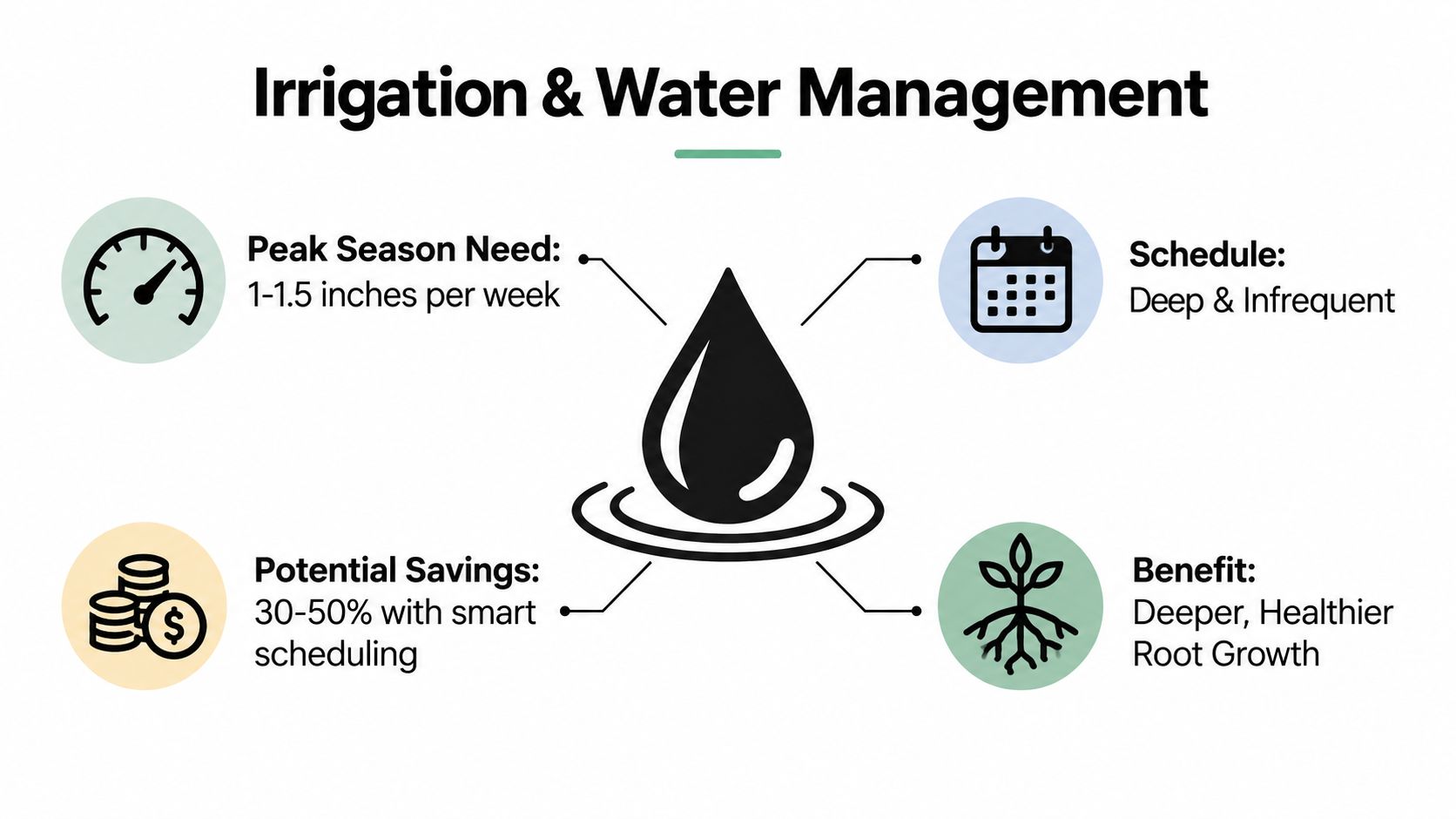
Without rainfall, sports fields generally need one to one and a half inches of water per week during peak summertime use, according to the Carolina athletic fields resource. Treat that range as a planning reference, not an automatic controller setting. Rainfall, soil texture, root depth, turf type, shade, wind, slope, and scheduled use all change the amount a zone can accept. Applying the same volume everywhere can cause runoff on compacted ground while leaving poorly covered areas under stress.
Schedule for roots, not appearances
Longer cycles with fewer applications encourage deeper rooting when the soil can absorb the water. Short, frequent watering may keep the surface green while producing shallow roots. If runoff begins before the full application enters the soil, divide the cycle into shorter intervals, then allow enough drying time for air to return to the pore spaces.
A practical water program includes:
- Seasonal controller changes, rather than one permanent schedule.
- Zone-by-zone inspection for broken heads, blocked nozzles, overspray, and misaligned coverage.
- Play-area prioritization, with water directed to zones carrying normal field use.
- Moisture observation, through field checks and suitable monitoring tools.
- Weather response, reducing or suspending irrigation after useful rainfall.
Sports Turf Managers Association guidance also supports conservation measures such as raising mowing height, watering only play and practice areas under normal conditions, and using best-management-practice scheduling. The recommendations appear in its athletic-field maintenance guide.
Pair efficiency with soil and system choices
Irrigation efficiency depends on the soil beneath it. Cultivation can improve water entry through compacted layers, suitable turf cultivars can handle stress more consistently, and accurate heads can place water where roots can use it. Subsurface drip irrigation has been reported to save 40 to 80 percent compared with overhead systems, while recycled or stormwater supplies may support water-stressed regions, according to Turf Australia's water-management review.
Before changing systems, compare installation complexity, maintenance access, filtration, field disruption, water quality, and turf compatibility. For a parallel review of irrigation performance and waste controls, see Prestonwood's water management and irrigation audit process.
Scheduling Field Use and Protecting Player Safety
A busy game calendar can expose a field's weaknesses quickly. Before approving each event, ask: Can this surface support the planned activity without creating avoidable damage or risk? The answer rests on soil moisture, drainage, turf cover, weather, traffic concentration, and the recovery time before the next use. Mowing may improve appearance, but water movement and compaction determine whether the surface stays safe under repeated play.
Standing water is an obvious reason to close a field, yet puddles are only one warning sign. Walk the high-use areas and check whether the ground gives excessively underfoot, repels water instead of absorbing it, or provides unstable footing. Inspect goal mouths, center traffic lanes, sidelines, entrances, and turning points for vehicles or equipment. These locations function like pressure points in a pipe system. Repeated traffic concentrates stress there first.
Field design sets the length of the recovery window. Guidance for high school football fields identifies a one to two percent slope, a 12-inch crown for sandy soils, an 18-inch crown for clay soils, and at least four drainage tile lines. As noted earlier, suitable grading and working internal drainage move water away from the surface after irrigation or rainfall. That reduces the time a field remains soft, though it cannot compensate for heavy traffic on saturated soil.
Use a consistent decision process
| Field Condition | Recommended Action | Maintenance Follow Up |
|---|---|---|
| Firm surface, good traction, no standing water, and stable turf cover | Allow planned use and monitor high-wear areas | Record use, inspect after the event, and repair divots or displaced turf |
| Damp soil with acceptable footing but increasing wear risk | Allow limited use or reduce activity in vulnerable zones | Mark restricted areas, adjust the next use window, and inspect drainage |
| Saturated soil, standing water, slipping, rutting, or unstable footing | Close the field until conditions improve | Communicate the closure, document the condition, and schedule recovery work |
| Thin or bare high-traffic areas with otherwise firm soil | Consider rotation or partial restriction | Overseed, topdress, cultivate, or repair according to the season and turf type |
A closure policy works only when people know how to apply it. Coaches, renters, custodians, and parks staff should know who has authority to close a field, where the decision is posted, and when the next inspection will occur. One designated decision-maker prevents a field from reopening because several groups assumed someone else had checked it.
Keep a short record of weather, surface observations, field use, and action taken. Over time, those entries show which zones wear first, how long recovery usually takes, and whether irrigation or drainage changes are needed. The record supports safer scheduling and helps control costs by directing water, labor, and repairs toward the areas that need them most.
Equipment Staffing and Budget Planning for Commercial Fields
A consistent field requires more than a list of services. It requires the right equipment, trained operators, storage, repair capacity, inspection time, and communication between the field crew and facility leadership.
Mowing equipment must suit the turf and surface. Aerators need to reach the compaction layer without damaging the field before an event. Topdressers, spreaders, line markers, irrigation tools, moisture instruments, and safe transport equipment each support a different part of the program. The equipment choice should follow the field's workload rather than the other way around.
Labor is a growing constraint. A 2026 report on youth sports fields describes park systems sharing maintenance across agencies, shifting some work to volunteers, raising seasonal pay, and adopting robotic mowers in response to staffing shortages. The lesson for facility directors is direct: field quality can suffer when responsibility is fragmented, even when the agronomic plan is sound.
Right-size the operating model
A facility may keep routine mowing and inspections in-house while outsourcing aeration, drainage assessment, irrigation auditing, or major renovation. Another may use a dedicated sports-turf contractor for the entire program. Shared services can work when agencies coordinate schedules, equipment, and accountability. Automation can reduce repetitive mowing demand, but it doesn't replace field inspection, soil decisions, or event coordination.
Inventory discipline helps in-house teams avoid preventable interruptions. A practical youth sports equipment tracking resource can help organizations organize assets, assignments, and replacement planning.
Build the budget around workload
Historical assessments show how sharply cost can vary. A University of Massachusetts assessment estimated annual maintenance for a two-acre field at $12,400 to $13,000, while another feasibility study found natural-grass field maintenance could exceed $25,000 per acre each year. One comparison listed annual irrigation and maintenance at $77,240 for one field versus $17,000 for an alternative surface. These figures are documented in the University of Massachusetts sports turf cost assessment.
Older Sports Turf Managers Association examples also show the effect of event intensity and construction type. A Denver-area native-soil field hosting about 110 soccer events was estimated at $5,500 to $8,000 annually, while a sand-modified field hosting 35 football games plus 10 other events was estimated at $9,000 to $11,000 annually, using the same cost assessment as the source.
When comparing proposals, separate routine labor, irrigation, cultivation, fertility, field marking, drainage work, emergency response, equipment charges, and reporting. Ask what happens after severe weather, who approves extra work, and which service levels protect playability rather than just making the field look finished.
Putting It All Together for Consistently Playable Fields
A field stays playable when its management system controls water, compaction, traffic, and decisions together. Healthy soil allows water and air to move. Smart irrigation supports roots without leaving saturated areas. Controlled traffic gives turf time to recover. Accurate inspections connect those conditions to safe scheduling decisions. Mowing and fertilizing matter, but they cannot correct poor drainage or repeated compaction.
Facility directors can audit the program with these questions:
- Does the team track irrigation performance by zone?
- Does the schedule reflect soil moisture and field workload?
- Are high-traffic areas cultivated according to actual compaction?
- Can an authorized person restrict use?
- Are drainage, grade, and surface defects documented?
- Are equipment, staffing, and emergency-response coverage clear?
- Does the budget separate preventive work from reactive repairs?
Keep work in-house when staff have the training, time, equipment, and authority to maintain these controls. Assign specialized work externally when aeration, drainage, irrigation analysis, or turf renovation requires tools and expertise the general grounds team does not maintain. A provider serving Dallas–Fort Worth or San Antonio should offer a field-specific scope, seasonal calendar, inspection records, irrigation support, and clear communication instead of a generic mowing package.
Use this Prestonwood's commercial grounds maintenance checklist to organize site standards, then add field benchmarks for turf cover, water use, compaction, drainage, closures, and recovery. Begin with a condition audit, map high-wear zones, set irrigation and cultivation priorities, and assign every task to a named person or provider. The result is a manageable asset-protection program that supports safety, playability, and budget control.
Prestonwood Commercial Services supports commercial properties and educational facilities with grounds maintenance, irrigation audits and repairs, central water management, and field-condition support across Dallas–Fort Worth and San Antonio. Its field-focused planning can help organize seasonal operations around water and surface conditions.