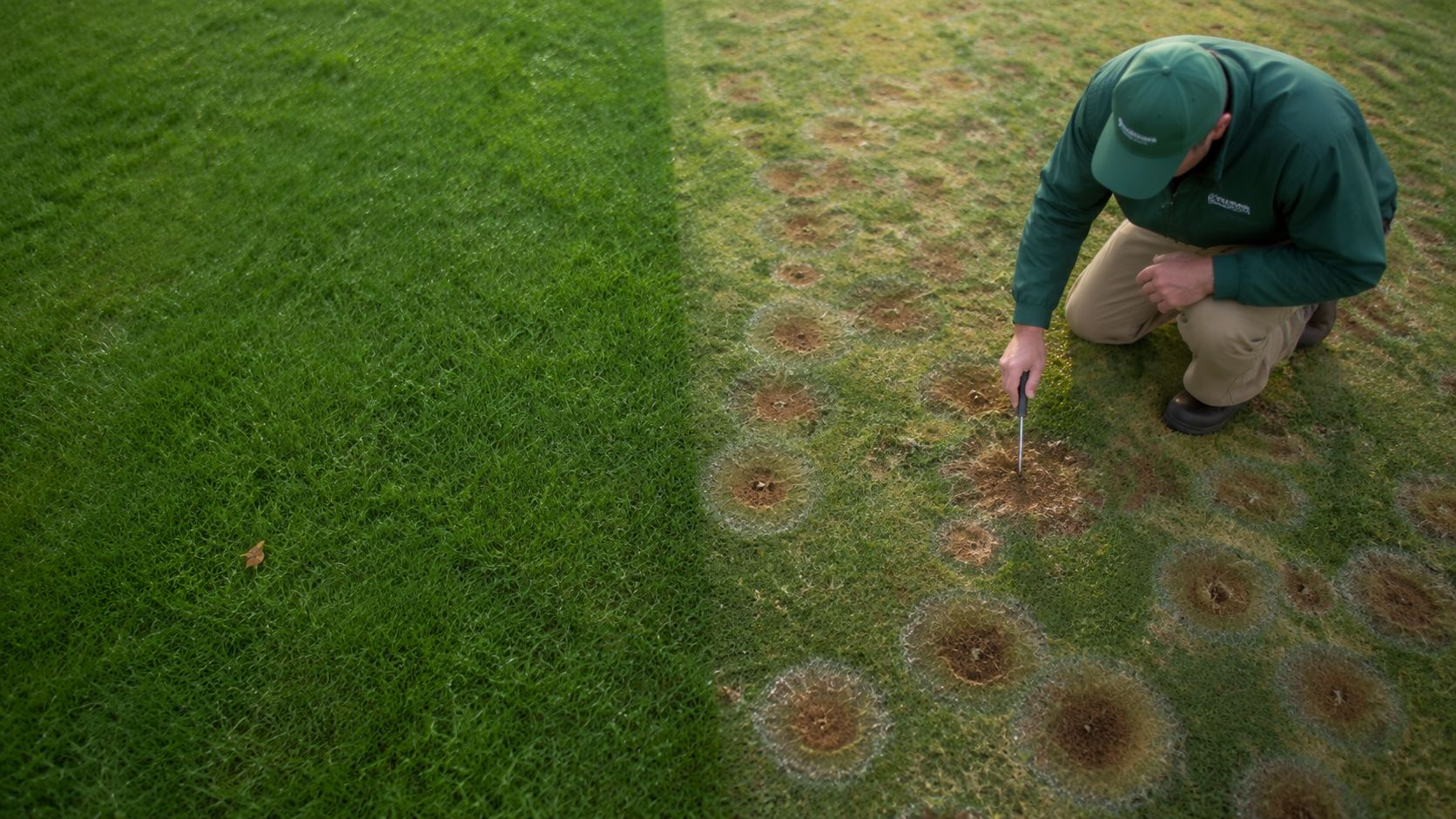
You walk the property after a stretch of hot, humid weather and the turf still looks fine from the parking lot. Then you get closer to the main entrance, the monument sign, or the clubhouse lawn and see it. Tan circles. Thinning areas. A faint dark ring around the edge in the morning. On a commercial site, that's not just a turf problem. It's a curb appeal problem, a tenant complaint problem, and sometimes a budget problem if the damage keeps spreading.
Brown patch grass disease shows up fast enough to catch property teams off guard, especially when irrigation, fertility, mowing, and weather all line up the wrong way. The good news is that it's manageable. The bad news is that many commercial properties lose time and money by treating the wrong issue, reacting too late, or assuming a fungicide alone will fix an environment that keeps favoring disease.
Property managers need a practical plan, not generic lawn advice. On a business park, retail center, HOA common area, or healthcare campus, every decision has to balance appearance, disruption, labor, and long-term turf performance.
Table of Contents
- What Is Brown Patch and Why It Matters for Your Property
- Identifying Brown Patch Symptoms and Causes
- Brown Patch vs Other Common Turf Problems
- Understanding the Brown Patch Disease Lifecycle
- A Stepwise Plan for Cultural Brown Patch Management
- Advanced Control with Fungicides and IPM
- When to Partner with a Commercial Landscape Expert
What Is Brown Patch and Why It Matters for Your Property
A property can look well kept on Friday and show visible brown areas by Monday after a stretch of warm nights, humidity, and heavy irrigation. On a commercial site, that change is not just cosmetic. It affects curb appeal, tenant confidence, and the perceived standard of the entire property.
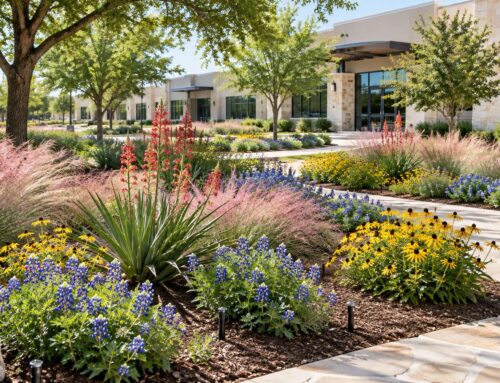
Brown patch is a fungal turf disease caused by Rhizoctonia solani. It shows up fastest in actively managed turf that gets regular water, fertilizer, and close attention. That is why it often becomes a problem in the same areas property managers care about most, such as entry drives, leasing offices, amenity lawns, hotel approaches, and other high-visibility turf.
On commercial properties, scale changes the decision. A small outbreak near a monument sign can make the front of the site look neglected. A larger outbreak across common areas can create real budget pressure because thinning turf rarely stays isolated if the underlying conditions remain in place.
The usual trigger is a preventable mix of moisture, heat, and growth that is too soft. Overwatering is a common part of that equation, especially on properties with automatic irrigation schedules or multiple stakeholders adjusting run times. If irrigation has been frequent or poorly timed, it is worth reviewing the signs your property may be overwatered before the damage spreads.
Brown patch does not automatically mean the maintenance program is poor. In many cases, it means the site has drifted into conditions the fungus can use. The practical goal is to protect appearance, limit recovery costs, and correct the cultural issues early enough that you do not turn a manageable disease problem into a renovation project.
Identifying Brown Patch Symptoms and Causes
A property manager usually notices brown patch after a complaint. The lawn by the leasing office looked acceptable on Friday, then by Monday there are tan circles near the entry drive and the irrigated turf still feels damp at sunrise. At a commercial scale, that early read matters because a small patch in a focal area can turn into a visible appearance issue across multiple lawn panels if the conditions stay favorable.
What it looks like on a commercial site
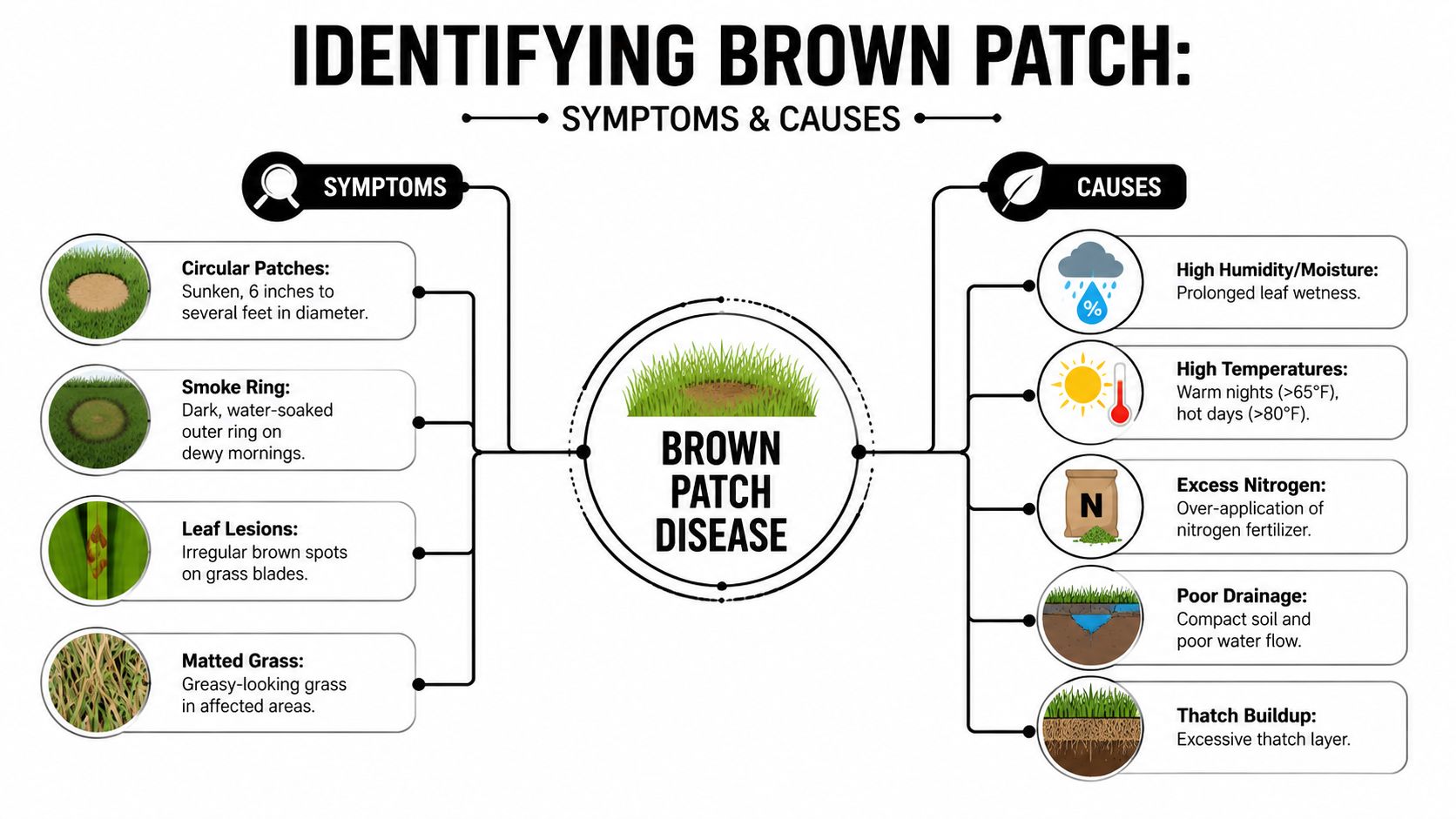
Brown patch usually starts as rounded areas of blighted turf that look tan, straw-colored, or dull brown rather than uniformly dry. On larger properties, those spots often begin as separate circles in the highest-input turf, then grow together into irregular thin areas that are much more noticeable from the street, from upper-floor windows, or in listing photos.
One of the better field clues is the active edge. Early in the day, the outside margin can look darker, wilted, or slightly smoky compared with the center. By afternoon, that contrast often fades, which is why crews that only inspect turf in the heat of the day miss the pattern and call it simple drought stress.
Species and location also shape what you see. A fescue lawn near a clubhouse may show symptoms while a nearby bermuda area stays cleaner for a while, even under the same contractor and irrigation schedule. On commercial sites with mixed turf, shaded courtyards, reflected heat off pavement, and separate irrigation zones, brown patch rarely develops evenly.
Conditions that usually set it off
Brown patch shows up where warm nights and long periods of leaf wetness overlap. The fungus does not need a dramatic weather event. It needs a favorable window, and many commercial properties create that window through routine operations.
The usual triggers are familiar:
- Irrigation that keeps leaves wet too long: late evening run times, overlapping heads, poor coverage uniformity, and hand-watering that extends wetness into the night
- Dense, soft growth: heavy nitrogen or fast flushes of growth that look good briefly but are more prone to disease
- Slow drying turf: shade, blocked airflow, tight planting beds, and areas surrounded by buildings or fencing
- High-humidity periods: especially when the turf is already staying damp from dew or irrigation
If several of those conditions are stacked in one zone, the risk goes up fast. That is common on apartment communities, office campuses, HOA entrances, and hotel frontage where appearance standards are high and irrigation schedules are often set to avoid daytime visibility rather than plant health.
If a problem area stays wet longer than the rest of the property, review the broader signs of overwatering on commercial landscapes. Brown patch often follows the same pattern as irrigation oversaturation, poor drainage, or zones that are running too long.
Morning inspection gives the clearest read.
That is when the margin is easiest to see, leaf blades are still reacting to overnight moisture, and you can map where the outbreak lines up with shade, sprinkler overlap, compacted soil, or chronically wet turf. For a property manager, that field check helps separate a manageable cultural correction from a disease issue that may need faster intervention.
Brown Patch vs Other Common Turf Problems
Misdiagnosis is where commercial properties waste money. A crew sees brown turf and raises irrigation. Another site applies an insect treatment because the area feels soft underfoot. A manager approves fungicide without confirming whether the pattern fits disease. All three responses can miss the mark.
Where misdiagnosis gets expensive
Brown patch has lookalikes. Some cause circular patches. Some create general thinning. Some only become obvious after the turf has already declined. On a commercial property, the cost of guessing wrong isn't only product cost. It's also another week or two of declining appearance in a highly visible area.
A useful rule is to compare the shape, timing, edge pattern, and how the grass behaves when you inspect it up close. Brown patch usually announces itself through patch form and the active margin. Other issues tell a different story.
If the lawn is failing for one reason and you treat for another, the site keeps declining while everyone thinks action has already been taken.
Turf disease and damage comparison
| Condition | Patch Appearance | Season | Key Differentiator |
|---|---|---|---|
| Brown patch | Circular or expanding tan areas, sometimes sunken, often with a darker or smoky outer edge | Hot, humid periods | Often shows a distinct active border on the perimeter, especially in the morning |
| Dollar spot | Smaller, scattered straw-colored spots that can blend together | Warm periods with leaf moisture | Tends to start as much smaller spots than typical brown patch areas |
| Summer patch | Declining circular patches, often with stressed centers | Summer | Commonly tied to root decline rather than a smoky foliar edge |
| Grub damage | Irregular brown areas that may peel back from soil | Warm season damage period | A simple tug test may reveal turf separating easily because roots are compromised by feeding |
| Drought stress | Dry, irregular off-color turf, often following irrigation coverage patterns | Hot, dry weather | Usually tracks sprinkler issues, hard soil, runoff, or missed coverage more than fungal ring patterns |
Brown patch also tends to be more active in areas with a disease-friendly environment. Think low-airflow courtyards, shaded lawn panels near buildings, and turf receiving frequent evening moisture from irrigation errors. Drought stress usually follows a different map. It mirrors dry heads, poor distribution, or hot reflective surfaces.
Here's a practical field check for commercial managers:
- Look at the edge first: Brown patch often has a more defined perimeter than drought.
- Check nearby irrigation coverage: Dry-zone issues usually align with system performance.
- Inspect multiple locations: Disease often appears in repeating site conditions, not just one isolated sprinkler miss.
- Review recent maintenance: A heavy fertility push followed by humid nights points in a different direction than missed watering.
If your team can't separate those patterns confidently, pause before authorizing a treatment. On larger properties, a wrong diagnosis can spread through the maintenance plan fast because crews tend to repeat the same response across multiple turf zones.
Understanding the Brown Patch Disease Lifecycle
Brown patch management gets much easier once you stop thinking about it as a one-time summer event. It's better understood as a seasonal cycle. The visible damage is just the part you notice. Effective management starts before the patch turns brown.
Why timing matters more than product choice
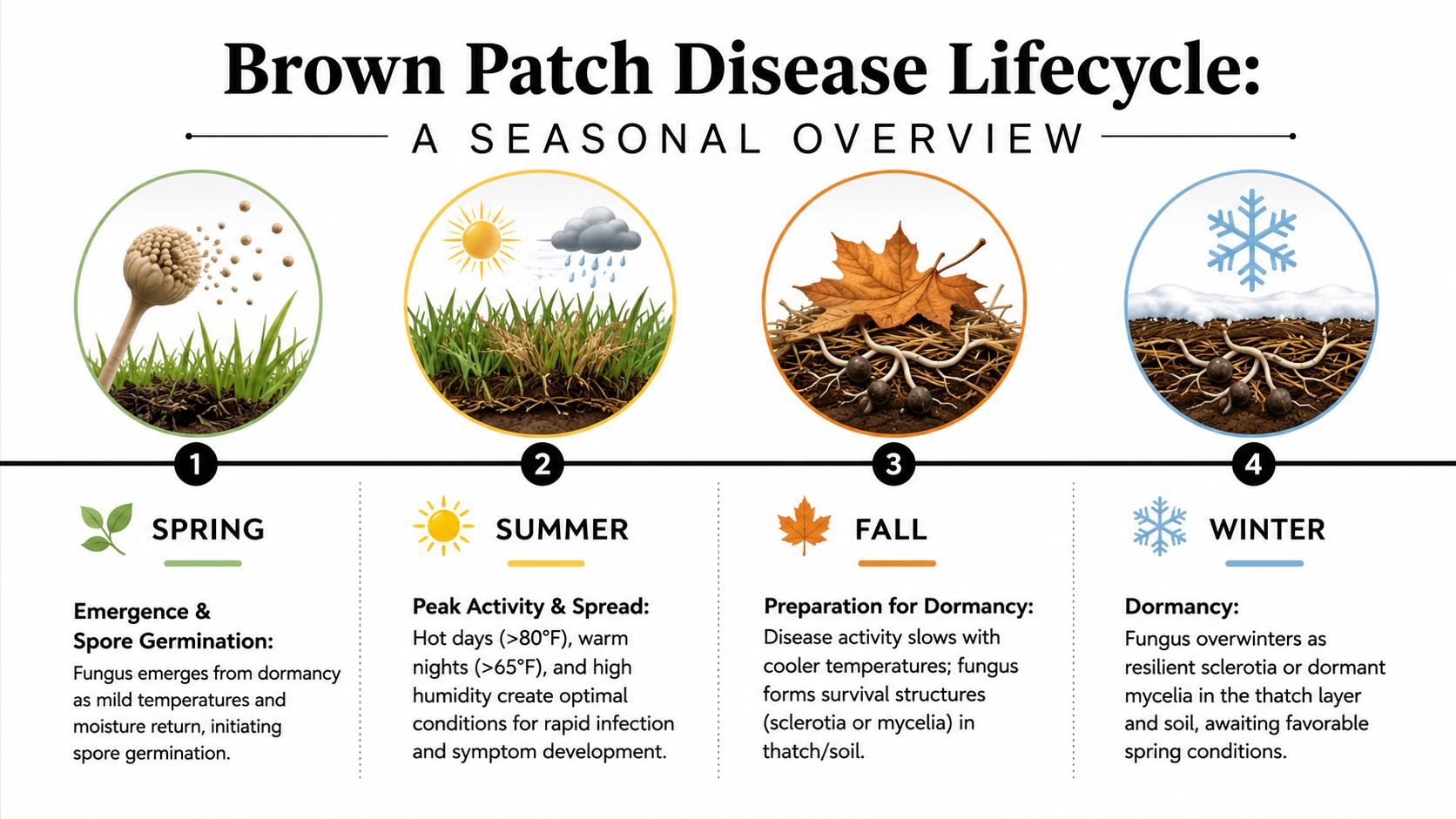
The fungus that causes brown patch, Rhizoctonia solani, becomes highly active when nighttime low temperatures exceed 65°F (18.3°C) along with moist conditions, dew, and high humidity. The University of Nebraska-Lincoln notes that prolonged leaf wetness greater than 10 hours directly triggers rapid symptom development and tissue death in its brown patch lawn guidance. For commercial managers, that's the key operational point. The disease doesn't need a dramatic storm event. It needs enough consistent overnight moisture to stay active.
That's why properties sometimes look fine through a hot spell, then suddenly show injury after several muggy nights in a row. The turf didn't fail overnight. The conditions lined up overnight.
What the fungus is doing when you are not looking
In practical terms, brown patch survives in the site environment and waits for favorable conditions. Thatch, dense turf, frequent moisture, and warm nights help it move from survival mode into active infection. Once leaves stay wet long enough, the fungus spreads through nearby tissue and the visible patch expands from the outside edge.
That lifecycle explains several field realities:
- Why morning watering matters: You want the leaf blade drying during the day, not staying wet into the night.
- Why dense thatch becomes a problem: It creates a protected zone where moisture hangs on.
- Why preventative work beats rescue work: By the time the patch is obvious from the drive lane, the disease has already been active.
Commercial properties feel this more than residential lawns because they often maintain consistent irrigation, frequent mowing, and higher visual standards. Those are good things for presentation, but they also reduce your margin for error if weather conditions turn favorable for disease.
Brown patch control is often a timing problem disguised as a product problem.
If you wait until the turf is visibly collapsing in a centerpiece lawn, you've already lost the easiest window to reduce damage. That's why seasoned managers watch weather patterns, irrigation behavior, and repeat trouble spots long before they authorize a treatment.
A Stepwise Plan for Cultural Brown Patch Management
A common commercial call starts the same way. The entry turf looked fine on Friday, then by Monday the front drive, monument sign, or clubhouse lawn has visible brown rings and the board or tenant wants answers. On larger properties, the fix is rarely a single treatment. It is a site correction plan that reduces disease pressure without creating new stress from overreaction.
Strategic irrigation
Start with irrigation scheduling and distribution. On commercial grounds, brown patch often tracks back to water staying on the leaf too long, not solely to how many total inches the site received that week.
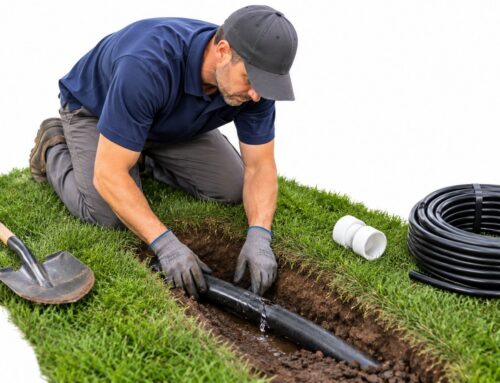
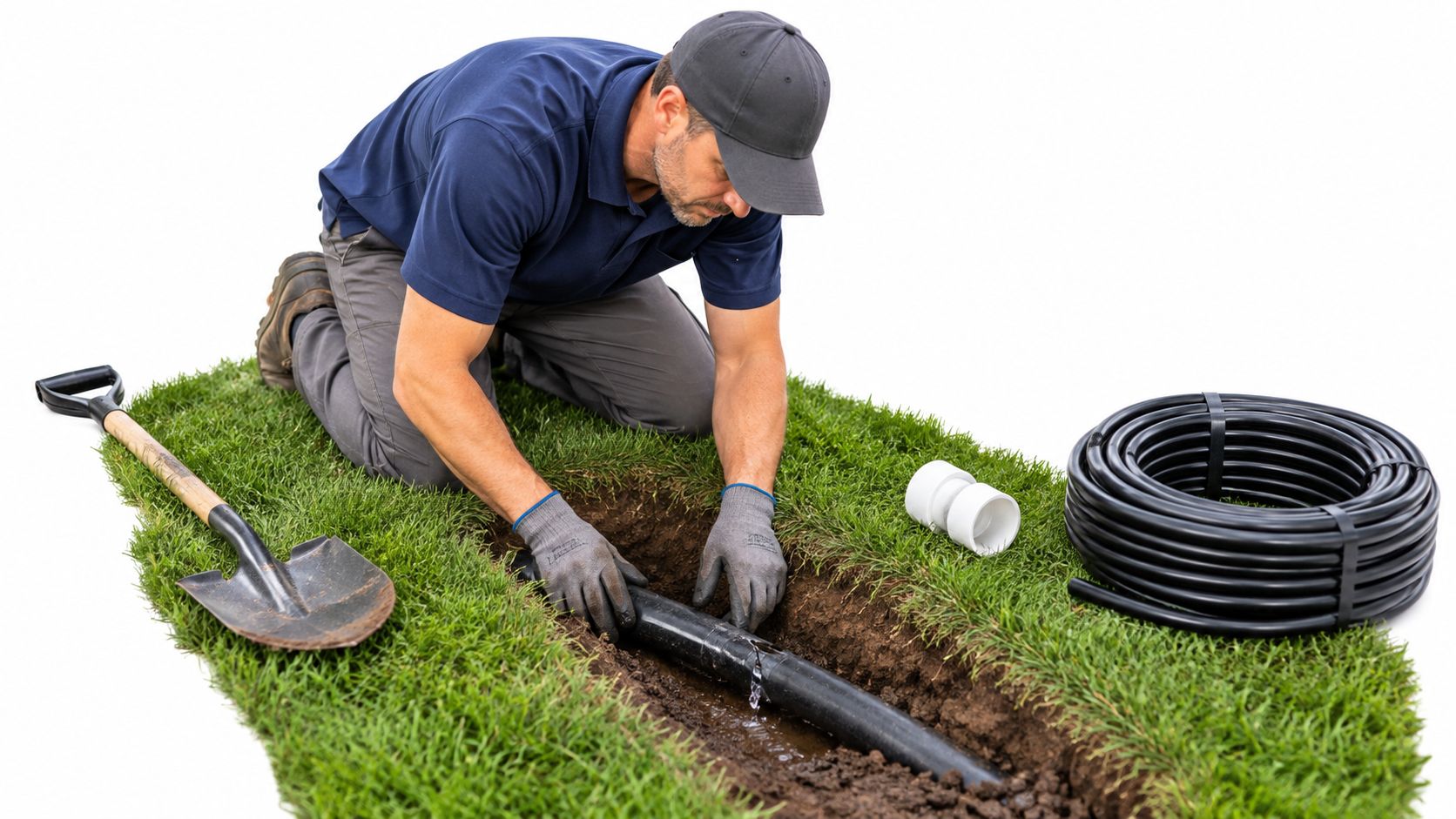
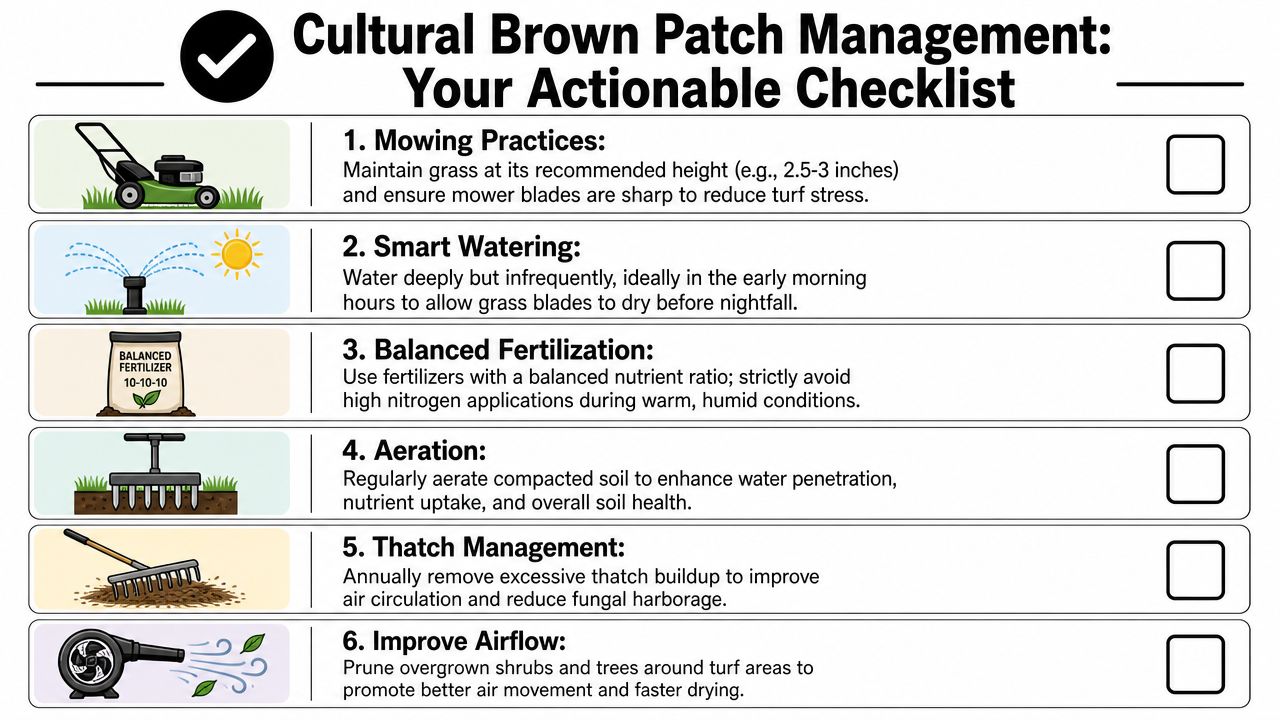
Set irrigation for early morning so the turf dries after sunrise instead of carrying moisture through the night. Then audit the system. Check controller windows, runtimes, cycle-and-soak settings, nozzle selection, pressure problems, and overlapping heads that keep one band of turf wetter than the rest. Property managers usually save more turf by correcting two or three bad zones than by adjusting every station on the site.
Some areas need separate treatment because they behave differently. Shaded courtyards, north-facing building edges, low pockets, and turf near dense shrub masses dry much slower than open frontage areas. A practical review of the importance of water management and irrigation in Texas commercial landscaping helps connect disease prevention to irrigation performance, water use, and appearance standards across a large property.
Proper mowing techniques
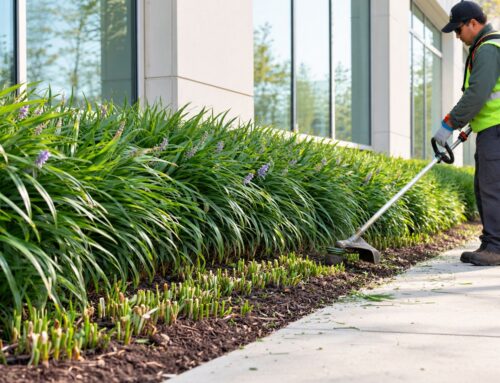
Mowing should reduce stress, not add it. During brown patch periods, dull blades, inconsistent intervals, and aggressive cuts can turn a manageable problem into a visible decline faster than many managers expect.
Crew standards matter here:
- Keep blades sharp so leaf tips are cut cleanly instead of torn.
- Hold the correct height for the species even when pressure builds to mow lower for a tighter look.
- Avoid removing too much at one visit after weather delays or rapid growth.
- Delay mowing wet turf when possible because wet canopies are slower to recover and harder to cut cleanly.
There is a real trade-off on commercial sites. Lower mowing heights can improve short-term appearance, but they also reduce turf resilience during heat and disease pressure. For high-visibility common areas, the better choice is usually a slightly fuller canopy that recovers faster and keeps color more evenly.
Smart fertilization
Summer fertility decisions deserve close control. Brown patch tends to hit turf that is being pushed for color and softness right when warm, humid conditions are already working against it.
That does not mean every nitrogen application is a mistake. It means timing and rate need to match the season, the turf type, and the site's disease history. On commercial properties, I look hardest at centerpiece areas where expectations stay high all summer. Those lawns often receive the most irrigation, the most mowing attention, and the most pressure to stay dark green. They are also the easiest places to overfeed.
Use a moderate approach during active risk periods, and avoid chasing cosmetic color with quick, repeated nitrogen applications. After pressure eases, recovery feeding can help fill thin turf, but only if irrigation, mowing, and airflow issues are already being corrected. This guide on how to maintain a healthy lawn is a useful companion if your team wants a broader maintenance framework behind those decisions.
Field note: On commercial grounds, the greenest area in July is not always the healthiest one. It is often the area being pushed hardest.
Improving site conditions
Some properties develop brown patch in the same places year after year because the site conditions keep favoring it. Treating those areas without changing the environment usually leads to repeat damage and repeated spending.
Focus on the locations that stay humid and slow to dry. Reduce thatch where it has built up enough to hold moisture near the surface. Schedule core aeration where compaction limits drainage and root function. Prune surrounding plant material when it blocks air movement across the turf. Regrade or adjust irrigation in low spots that stay wet after the rest of the property dries.
Pay attention to patterns, not isolated symptoms. If the disease keeps showing up along shaded building walls, under tree canopies, beside curbed islands, or in heavy foot-traffic corridors, that pattern is telling you what to fix.
The best cultural programs are disciplined, not complicated. Water earlier. Mow cleanly. Feed with restraint. Correct the wet, dense, compacted parts of the property first. On large commercial sites, that approach protects curb appeal and budget far better than treating brown patch as a one-time cosmetic issue.
Advanced Control with Fungicides and IPM
A common commercial scenario looks like this: the turf held together through early summer, then a stretch of warm nights and heavy humidity turned a few small patches near the front entry into visible thinning across multiple lawn panels. At that point, fungicides may be justified, but only if they are part of a managed IPM program tied to the property's risk level, appearance standards, and maintenance budget.
On commercial sites, the decision is rarely just “treat or don't treat.” It is a budgeting and asset-protection decision. A Class A office entrance, HOA common area, hotel frontage, or event lawn often has a much lower tolerance for visible disease than secondary turf behind a service drive. The treatment plan should reflect that difference.
When fungicides make sense
Preventative fungicide programs fit properties with a documented history of brown patch in high-visibility turf, repeated summer outbreaks, or grass stands that tend to decline quickly once disease pressure builds. Curative applications make more sense when active symptoms are already present and the goal is to stop expansion, hold density, and limit the appearance hit.
Timing matters. Preventative applications generally perform better than waiting until the turf is already collapsing, especially on large properties where it takes time to schedule labor, coordinate irrigation changes, and cover every affected zone. Once brown patch is established across broad areas, recovery is slower and the property may carry the visual damage for weeks even after disease activity is suppressed.
Application method also matters in the field. Liquid products often give better canopy coverage, while granular products can fit some maintenance operations more easily. The right choice depends on site access, irrigation control, labor timing, and how evenly the material can be applied across large turf areas.
What IPM looks like on a commercial property
IPM on a commercial property means making disease-control decisions with records, thresholds, and follow-through instead of reacting to every patch of off-color turf.
A workable program usually includes:
- Site monitoring: Track recurring problem zones, weather patterns, overnight conditions, and irrigation performance.
- Clear diagnosis: Confirm brown patch before approving treatment. Irrigation failure, compaction, chemical injury, and insect feeding can look similar from a distance.
- Priority-based treatment: Protect the turf areas that carry the most visibility and business value first.
- Fungicide rotation: Use licensed applicators who can rotate active ingredients and reduce resistance pressure over the season.
- Post-application correction: Pair treatment with adjustments to watering, mowing, and nitrogen inputs so the same conditions do not trigger another round.
Here, experienced commercial management pays off. Prestonwood Commercial Grounds Services provides brown patch identification along with curative and preventative fungicide applications as part of a broader maintenance program. Property managers comparing service models should review what to expect from a commercial landscaping partner for disease management and site accountability, especially when multiple vendors share responsibility for irrigation, mowing, and turf health.
The main trade-off is straightforward. Fungicides can protect presentation and preserve turf quality in the right areas, but repeated applications without site correction turn into recurring cost. On commercial properties, the strongest results come from using chemistry selectively, documenting outcomes, and treating brown patch as an operational issue, not just a cosmetic one.
When to Partner with a Commercial Landscape Expert
There's a point where in-house observation and basic corrective steps aren't enough. That point comes sooner on commercial sites because the consequences of delay are higher and the operational complexity is greater.
The signs that it is time to escalate

Bring in a commercial turf expert when the issue moves beyond isolated turf spots and starts affecting presentation, decision-making, or risk. In practice, that usually means one or more of the following is true:
- The outbreak is recurring: The same lawn panels show symptoms every warm season.
- The area is highly visible: Main entrances, leasing paths, amenity lawns, and event spaces can't absorb extended decline.
- The diagnosis isn't clear: The team sees damage but can't confidently separate disease from irrigation, insect, or cultural issues.
- Licensed application is needed: Many properties need professional handling for fungicide planning and execution.
- The problem is sitewide: Multiple zones show similar stress patterns tied to irrigation or microclimate.
When any of those conditions are in play, waiting often costs more than escalating. The turf may recover eventually, but the property still absorbs the appearance hit in the meantime.
What a property manager should expect from a partner
A strong grounds care partner should bring more than a treatment recommendation. They should inspect the site conditions that allowed the outbreak, document where the pressure is highest, and tie disease decisions back to irrigation, mowing, fertility, and long-term renovation planning.
That's also why partner selection matters. If you're reviewing service providers, this checklist on what property managers should look for in a commercial landscaping partner is worth using during the evaluation process. Brown patch management is a good test case because it reveals whether a contractor can diagnose, communicate, and adjust operations under pressure.
For managers in DFW and San Antonio, the right support usually looks like a worry-free maintenance structure. Clear site observations. Fast response on high-visibility issues. Practical recommendations that protect property image without turning every turf issue into an unnecessary chemical event.
If brown patch grass disease is affecting your commercial property, Prestonwood Commercial Landscape Services can help assess the turf, identify the site conditions driving disease pressure, and build a maintenance plan that supports healthier, more resilient outdoor areas.