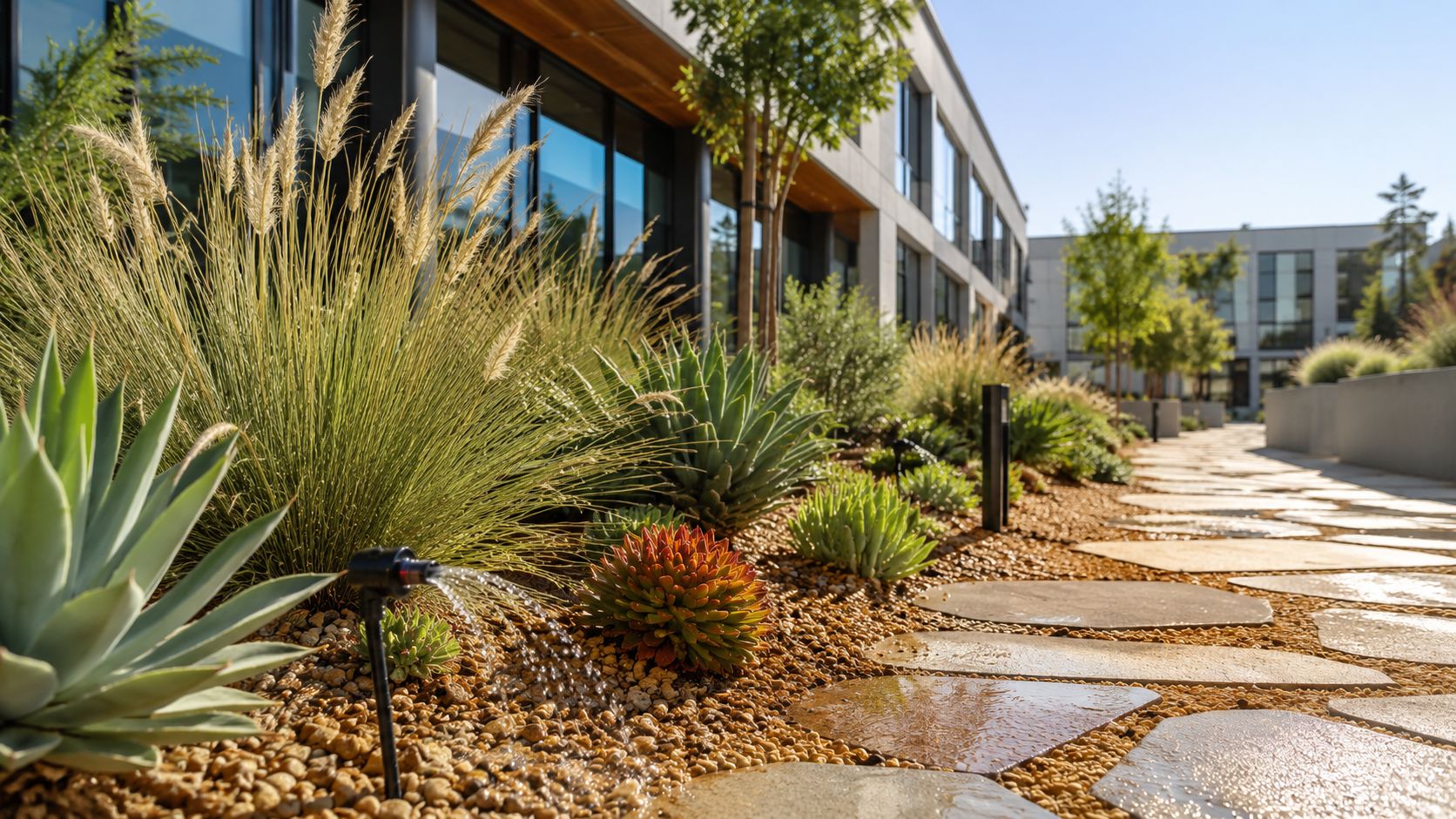
Your irrigation bill lands on your desk. One zone near the main entry is green and overwatered. Another area by the loading docks looks stressed. Tenants notice brown patches before they notice a new lease banner, and ownership notices every utility spike. If you manage a commercial property in a hot, drought-sensitive market, the grounds can feel like a constant negotiation between appearance, operating cost, and risk.
That's why water-efficient grounds matters now as an asset strategy, not just a sustainability talking point. On a commercial site, grounds water use touches more than the plant palette. It affects budget predictability, compliance with local restrictions, site safety, maintenance workload, and how the property presents itself to tenants, visitors, and investors.
The mistake many teams make is treating water conservation as a one-time turf removal project or a simple irrigation retrofit. Commercial properties are more complicated than that. A retail center needs sightlines and clean entries. An industrial park may need durable ground treatment for dust control and functional turf in selected areas. A healthcare campus has a different tolerance for disruption and a different standard for visual consistency.
A strong plan aligns those realities with an outdoor space that uses water intentionally. The result is lower waste, fewer operational surprises, and a site that still looks managed and professional.
Table of Contents
- Introduction Why Smart Water Management Is a Competitive Edge
- The Business Case for Water-Wise Commercial Landscapes
- Core Principles of Water Conservation Design
- Next-Generation Irrigation Technology and Management
- Smart Design Choices Hardscapes Turf and Plants
- A Phased Implementation Roadmap for Property Managers
- Conclusion Your Partner in Building a Resilient Landscape
Introduction Why Smart Water Management Is a Competitive Edge
A commercial property's grounds can either protect your operating budget or gradually erode it. Most property managers see the warning signs early. Water bills become less predictable. Irrigation repairs keep recurring. Crews spend time managing runoff, overspray, and stressed planting beds instead of improving the site. Meanwhile, local drought pressure keeps pushing water from a cheap input to a managed resource.
That shift changes how grounds should be evaluated. The right question isn't whether a site can be made more water-wise. It's whether the current layout, irrigation approach, and maintenance plan are helping or hurting asset performance.
Water use affects more than the utility line
On a commercial property, water waste has a long tail. It can lead to plant decline, muddy walkways, pavement staining, erosion on slopes, and tenant complaints about appearance. It also creates avoidable friction between ownership goals and day-to-day operations. An outdoor area that looks good only when it's overwatered isn't efficient. It's fragile.
Property managers need systems that hold up under real conditions. That means grounds that can handle heat, inconsistent rainfall, foot traffic, service access, and visibility demands without depending on constant correction.
Practical rule: If the landscape only performs when every zone gets extra water, the design and irrigation strategy are doing too much of the work the site layout should be doing.
Competitive properties manage water deliberately
Smart water management offers advantages in several directions at once. It reduces unnecessary irrigation, supports compliance conversations, and gives ownership a clearer story around lifecycle planning. Just as important, it improves reliability. Outdoor areas built around realistic water demand tend to be easier to maintain consistently across seasons.
For office parks, that may mean preserving a polished arrival sequence while reducing water use in perimeter zones. For retail, it often means maintaining visibility and safety while simplifying planting beds that otherwise become labor-intensive. For industrial properties, it can mean balancing dust control, durability, and water efficiency across large, exposed sites.
The competitive edge comes from making the outdoor areas predictable. Predictable water use. Predictable maintenance. Predictable appearance. Those outcomes matter because they reduce surprises, and surprises are what disrupt budgets and tenant experience.
The Business Case for Water-Wise Commercial Landscapes
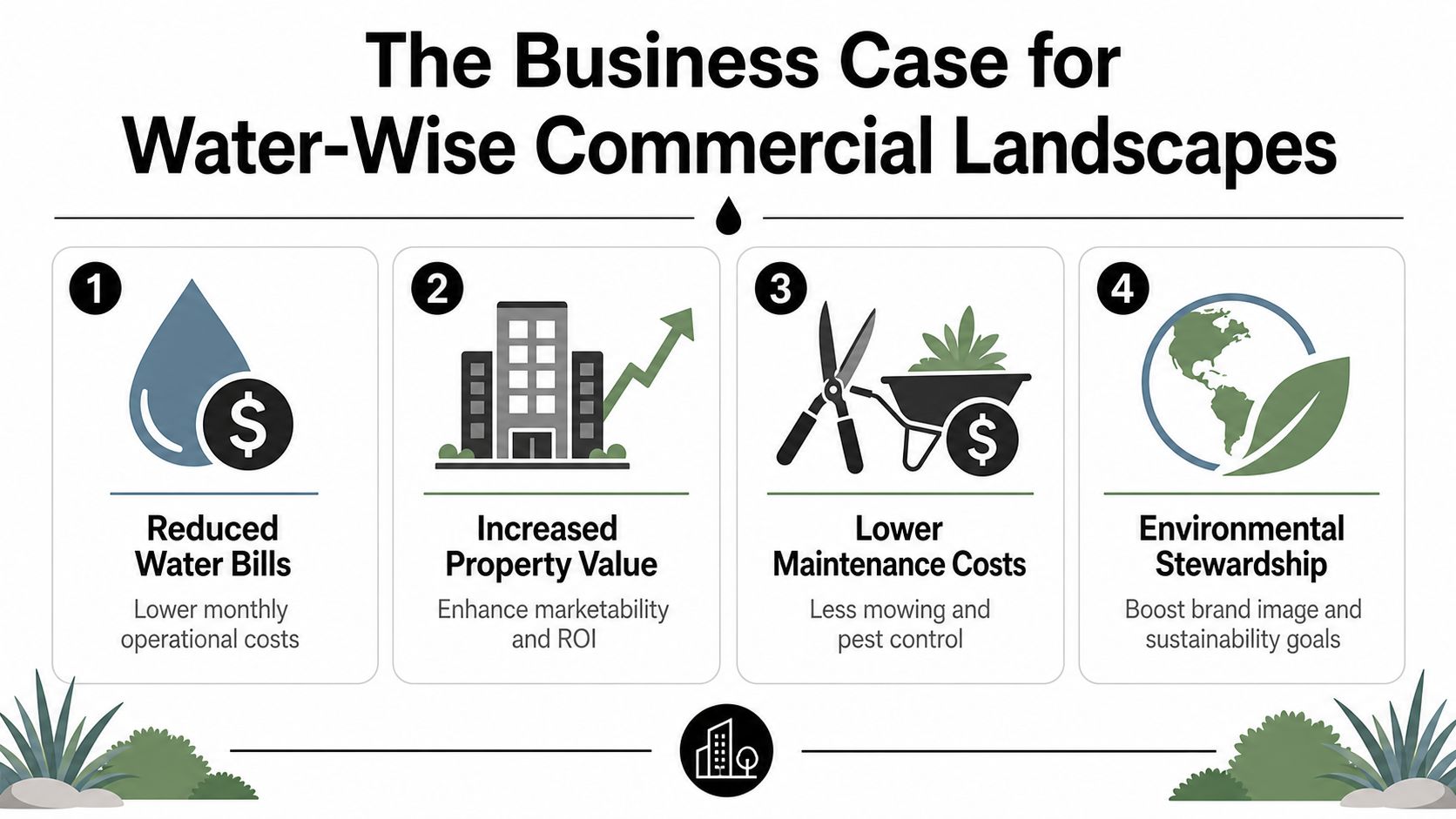
The strongest argument for water conservation landscaping on commercial sites is simple. Waste costs money, and preventable waste usually shows up in more than one line item. Water, labor, plant replacement, and repeated repairs often move together.
Turf reduction can change the math fast
Large commercial lawns often remain in place because they're familiar, not because they're necessary. That's where many portfolios carry hidden water demand. In southern Nevada, converting one square foot of turfgrass to a low-water-use plant area saves 55.8 gallons of drinking water annually according to High Plains Gardening water use studies. Even if your market, plant mix, and operations differ, that figure gives property managers a concrete benchmark for why unnecessary turf deserves scrutiny.
The point isn't to remove every lawn. Functional turf still has a role on some commercial sites. The point is to be honest about where turf supports use, visibility, or brand image, and where it's absorbing water and maintenance dollars without delivering value.
Irrigation efficiency protects operating performance
Irrigation is where many commercial properties lose control of the budget. Heads drift out of alignment. Timers don't match seasonal conditions. Leaks go unnoticed. One bad valve can keep a low-use zone wet for weeks before someone connects the symptoms. Utility costs rise, but so do the secondary effects. More mowing, more disease pressure, more softscape inconsistency.
A water-wise commercial grounds cuts those compounding issues by putting the right amount of water in the right place. It also reduces the management burden on site teams. When zones are built logically and adjusted proactively, crews spend less time fighting the system.
The return isn't only financial
Ownership groups increasingly care about visible operational discipline. An outdoor design that looks intentional without obvious overwatering sends the right message to tenants and visitors. It suggests the property is managed well, not just cosmetically maintained.
That matters in leasing conversations and renewal periods. Corporate occupants notice whether a site looks current and responsibly maintained. On campuses, healthcare facilities, and hospitality properties, the grounds also reflect how seriously the organization takes stewardship and guest experience.
A water-wise landscape doesn't need to look sparse. On commercial sites, the better goal is controlled, durable, and appropriate.
There's also a risk management angle. Sites that depend on heavy irrigation are more exposed when restrictions tighten or weather patterns shift. Properties that already operate with more efficient zoning, more suitable plant material, and less nonessential turf tend to adapt with less disruption.
For a property manager making the case internally, that's often the most useful framing. Water conservation landscaping is not a cosmetic upgrade. It's an operational correction that can lower waste, improve reliability, and help the property present itself as a disciplined long-term asset.
Core Principles of Water Conservation Design
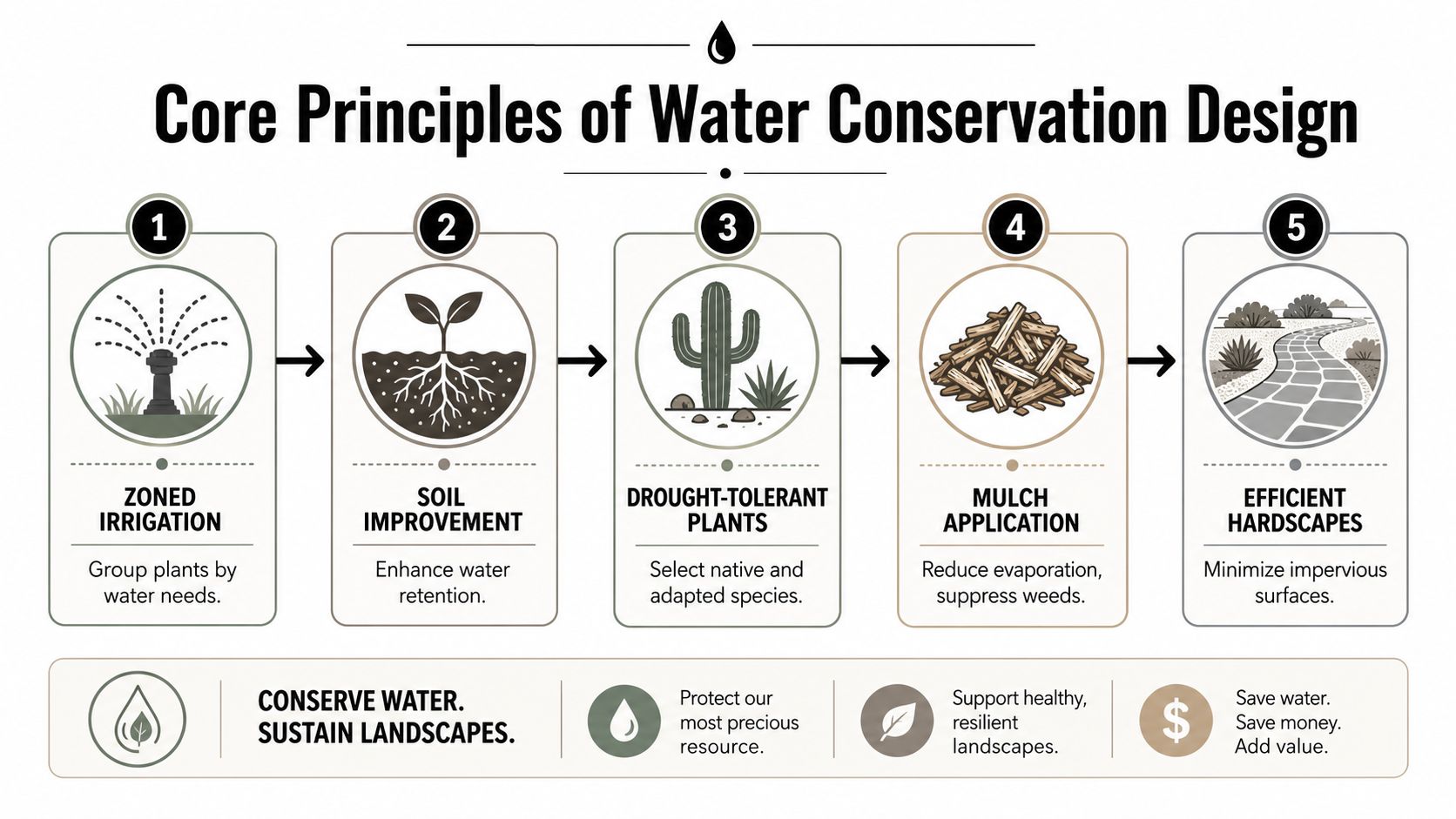
A retail center in August makes the priorities obvious. The entry sequence has to stay sharp. The tenant patio needs usable turf or durable seating space. The loading edge does not deserve the same irrigation budget as the storefront. Good water conservation design starts by assigning water where it protects revenue, safety, and appearance, then cutting waste everywhere else.
Build a Water Budget by Zone
On commercial sites, hydrozoning is less about botany and more about operations. Areas with the same water demand should share the same irrigation zone, but the primary decision is which parts of the property warrant that demand. A front entry, a wayfinding sign, a tenant amenity lawn, and a rear setback do not need identical performance standards.
The strongest site plans usually separate water use into a few clear categories:
- High-visibility areas: Entrances, monument signage, and arrival corridors where appearance affects tenant perception and leasing value.
- Functional turf areas: Lawn that supports gathering, circulation, pet relief, or a defined brand expectation.
- Low-water planting beds: Beds built for form, screening, and seasonal interest with restrained irrigation.
- Perimeter and utility areas: Edges where durability, erosion control, and low maintenance matter more than lush growth.
That structure helps property managers defend budget decisions. Turf should earn its footprint. The Texas Water Development Board water-wise turf guidance supports limiting turf to areas with a clear functional purpose, which is the right standard for commercial grounds where every irrigated square foot carries a monthly cost.
For teams evaluating lower-water site strategies at a broader planning level, this overview of xeriscape landscaping concepts is a useful reference.
Treat Soil as Infrastructure
Most irrigation problems on commercial properties start below grade. Compacted subsoil, shallow topsoil, poor contouring, and runoff paths force crews to water more often just to keep visible areas acceptable. That is expensive, and it rarely produces uniform results.
Soil preparation deserves the same scrutiny as paving base or drainage work. The University of California Agriculture and Natural Resources guide to soil management and water conservation notes that improving soil structure and organic matter increases water infiltration and storage, which directly supports lower irrigation demand and more stable plant performance. On high-traffic sites, that matters because foot traffic, service access, and repeated maintenance passes all work against infiltration over time.
One rule holds up across property types. Irrigation cannot fix poor soil indefinitely.
Choose Plants and Materials That Match the Site
Plant selection should follow exposure, reflected heat, wind, and maintenance access. A species that performs well in a protected courtyard may fail along a drive aisle or next to broad pavement. The right mix is usually a combination of adapted trees, hardy shrubs, groundcovers, and a limited amount of turf placed only where it serves a purpose.
Materials matter too. Mulch reduces surface evaporation and moderates soil temperature. Permeable paving, decomposed granite in select low-traffic areas, and well-detailed gravel bands can reduce runoff and lower the amount of planted area that needs intensive irrigation. On industrial parks and retail centers, those hardscape decisions often produce better lifecycle value than adding more irrigated beds that crews have to keep alive at the edge of pavement.
For an outside example of climate-appropriate site planning, this article on sustainable landscaping for Adelaide shows how designers balance plant selection, materials, and water limits in hot, dry conditions.
The payoff is operational consistency. When zone layout, soil preparation, plant choice, and hardscape selection support the same water budget, the property looks intentional and costs less to maintain. When they do not, the site team ends up compensating for design mismatches every week.
Next-Generation Irrigation Technology and Management
A retail center can spend heavily on plantings, then lose margin every month through avoidable irrigation waste. On high-traffic commercial properties, that waste usually shows up in familiar places. Pavement overspray near storefronts, runoff along drive aisles, stressed turf in one zone and soggy shrubs in the next, or controllers that keep running the same program through changing weather and occupancy patterns.
The highest return usually comes from better control and better oversight, not from replacing every component at once. A smart controller will not correct poor zoning. A well-built system will not stay efficient if no one is checking coverage, pressure, leaks, and seasonal schedule changes.
Where Older Systems Break Down
Older commercial irrigation setups tend to miss the same operational basics. Mixed hydrozones are common. Spray heads cover turf and planting beds on the same circuit, which forces crews to overwater one area to keep the other alive. Clocks run on fixed schedules long after rainfall or cooler conditions should have reduced demand.
That kind of waste is easy to miss because it rarely starts with a dramatic failure. It shows up as chronic runoff, soft spots, mineral staining on walks, and steadily higher water bills. It also creates risk. Wet pavement near entrances can become a slip concern, and excess moisture around buildings can complicate maintenance in ways property teams do not need.
As UF/IFAS Gardening Solutions on irrigation water conservation notes, active management practices such as correcting schedules, finding leaks, and watering only when conditions require it can materially reduce water use. On commercial sites, that translates into lower utility spend and more consistent appearance across the property.
Commercial Irrigation Technology Comparison
Different tools solve different problems. The right mix depends on visibility, pedestrian activity, planting type, and how much oversight the property team can realistically maintain.
| Technology | Water Efficiency | Best For | Key Benefit |
|---|---|---|---|
| Conventional spray heads | Lower than precision systems | Simple turf areas with uniform coverage needs | Familiar equipment and broad coverage |
| High-efficiency nozzles | Improved distribution over older spray setups | Upgrading existing spray zones | Better control and reduced misting |
| Drip irrigation | High precision | Shrub beds, tree rings, medians, ornamental areas | Delivers water near the root zone with less evaporation |
| Subsurface drip | High precision with hidden delivery | Beds where surface spray creates aesthetic or runoff issues | Keeps hardscape drier and reduces visible overspray |
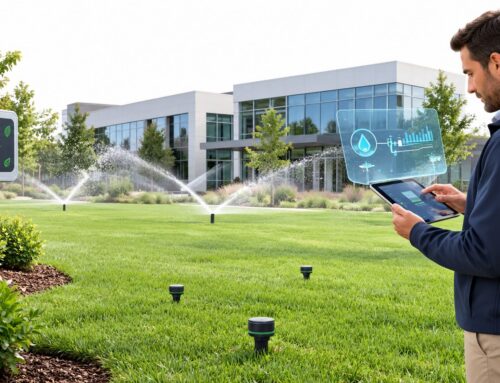
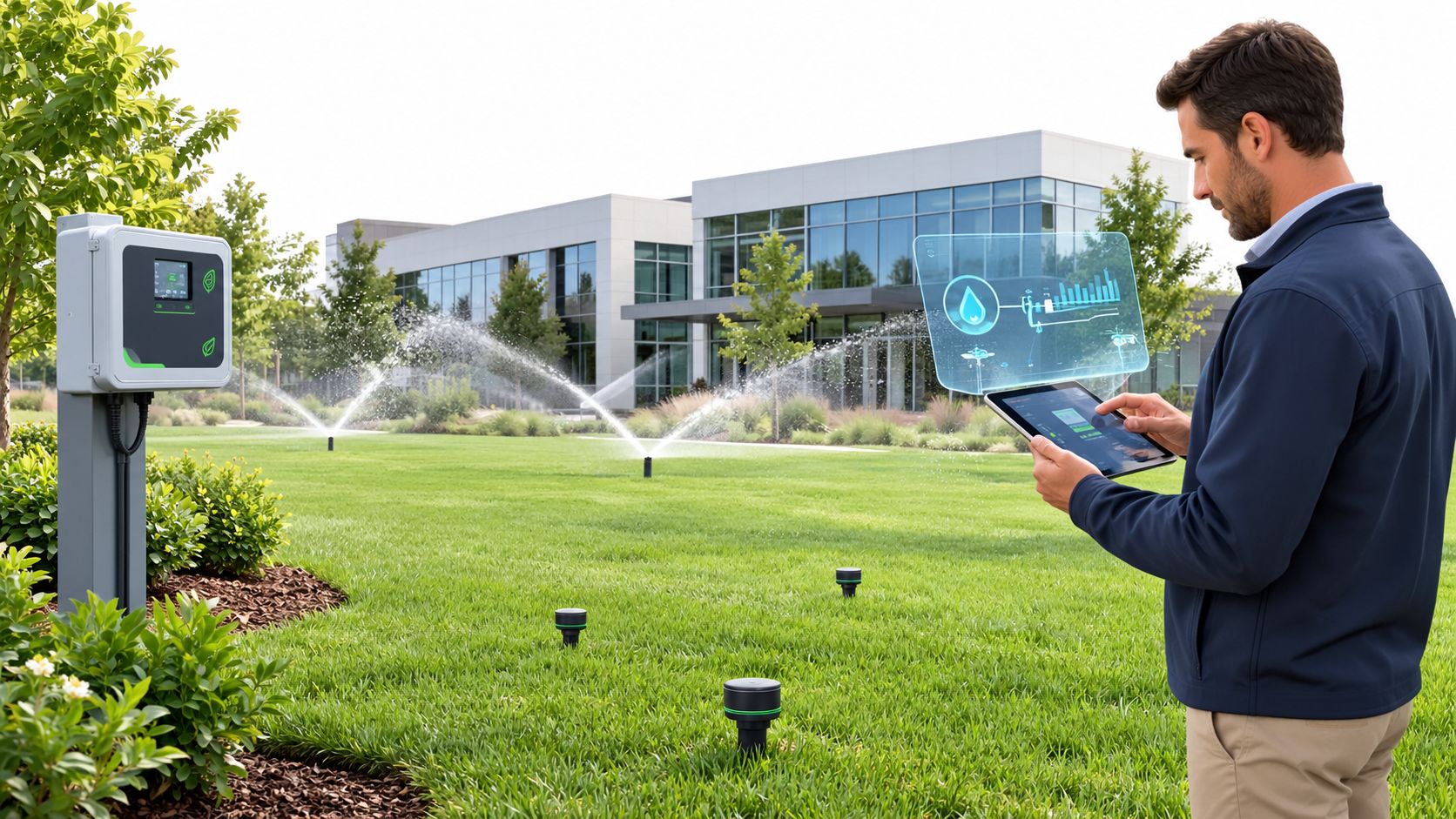
| Weather-based controllers | Improves system-wide scheduling | Multi-zone commercial properties | Adjusts irrigation timing to actual conditions |
| Central control platforms | Strong operational oversight | Portfolios and large campuses | Allows monitoring and schedule changes across sites |
For teams reviewing controller strategy, this overview of weather-based irrigation for commercial properties explains how scheduling tied to actual conditions can reduce unnecessary runtime.
Management Turns Equipment Into Measurable Results
Technology only pays off when it is managed in the field. I have seen properties install newer controllers and still waste water because no one corrected nozzle alignment, updated runtimes after canopy growth, or separated zones after a tenant improvement changed sun exposure. Hardware sets the ceiling. Ongoing management determines whether the site reaches it.
A useful review process includes both technical checks and operational judgment:
- Controller review: Confirm start times, cycle lengths, and seasonal programs match current conditions and site use.
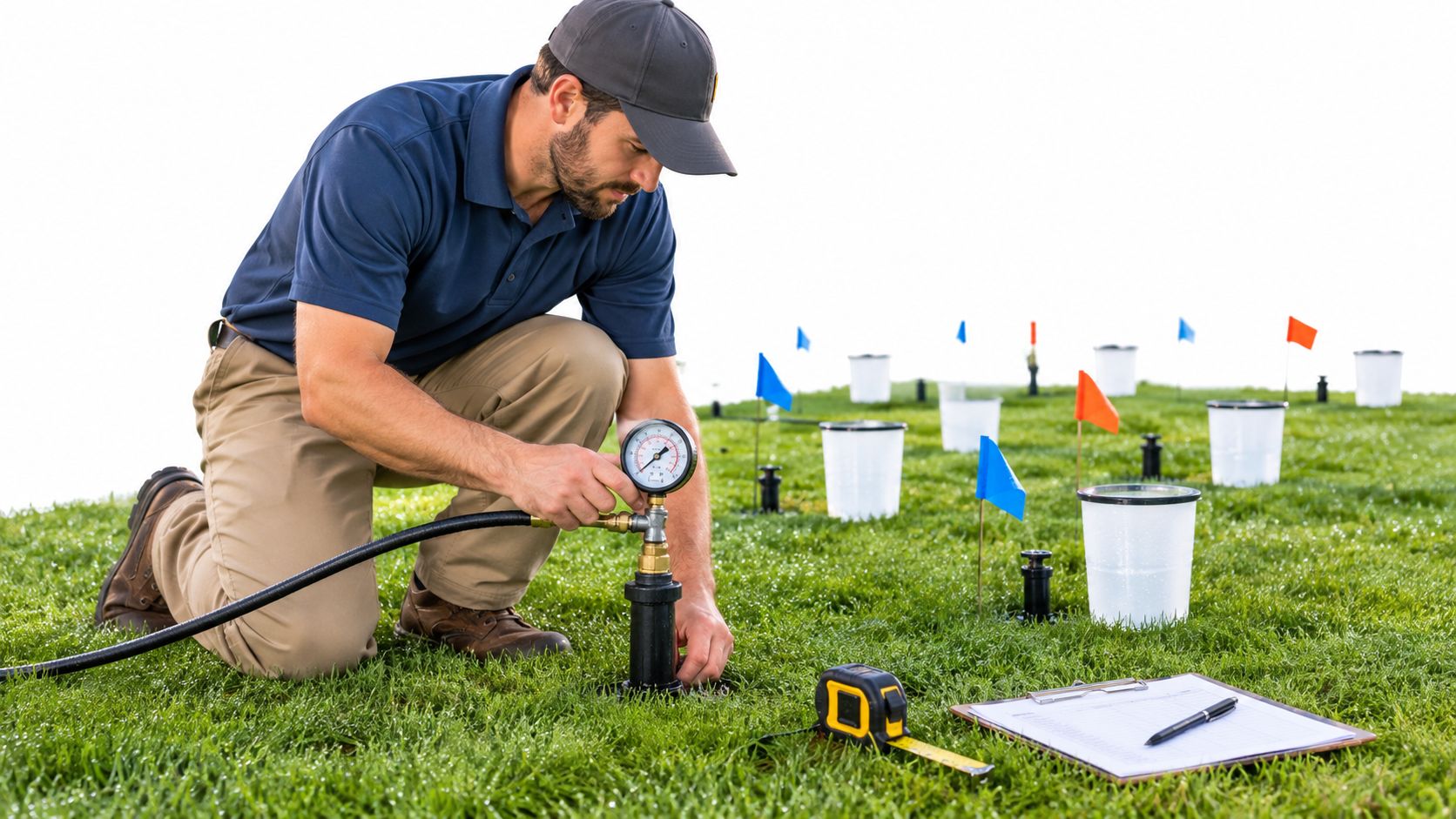
- Field inspection: Check for broken heads, clogged emitters, low pressure, misting, and overspray onto pavement or buildings.
- Zone integrity: Separate turf, shrubs, trees, and accent beds where water demand differs.
- Post-rain decision-making: Skip irrigation when soil moisture and weather conditions do not justify another cycle.
- Portfolio reporting: Use central visibility or scheduled audits so one neglected property does not become the expensive outlier.
The trade-offs matter. Drip can cut waste in medians and shrub beds, but it requires disciplined inspection because failures are less visible. Central control helps multi-site portfolios, but only if someone owns alarm review and schedule governance. High-efficiency nozzles are often a practical retrofit, yet they will not solve runoff on slopes if cycle times are still too long.
One commercial option in this category is Prestonwood Commercial Grounds Services, which provides weather-based irrigation management and related irrigation support as part of broader site operations. What matters is active oversight by teams that understand commercial site conditions, foot traffic, liability exposure, and the cost of appearance failures.
For managers comparing reduced-turf strategies with irrigation upgrades, this guide to North Georgia drought tolerant lawns is a useful reference point for where lower-water ground covers or lawn alternatives may reduce demand further.
If no one is reviewing irrigation performance on site, the controller is still making expensive guesses.
Smart Design Choices Hardscapes Turf and Plants
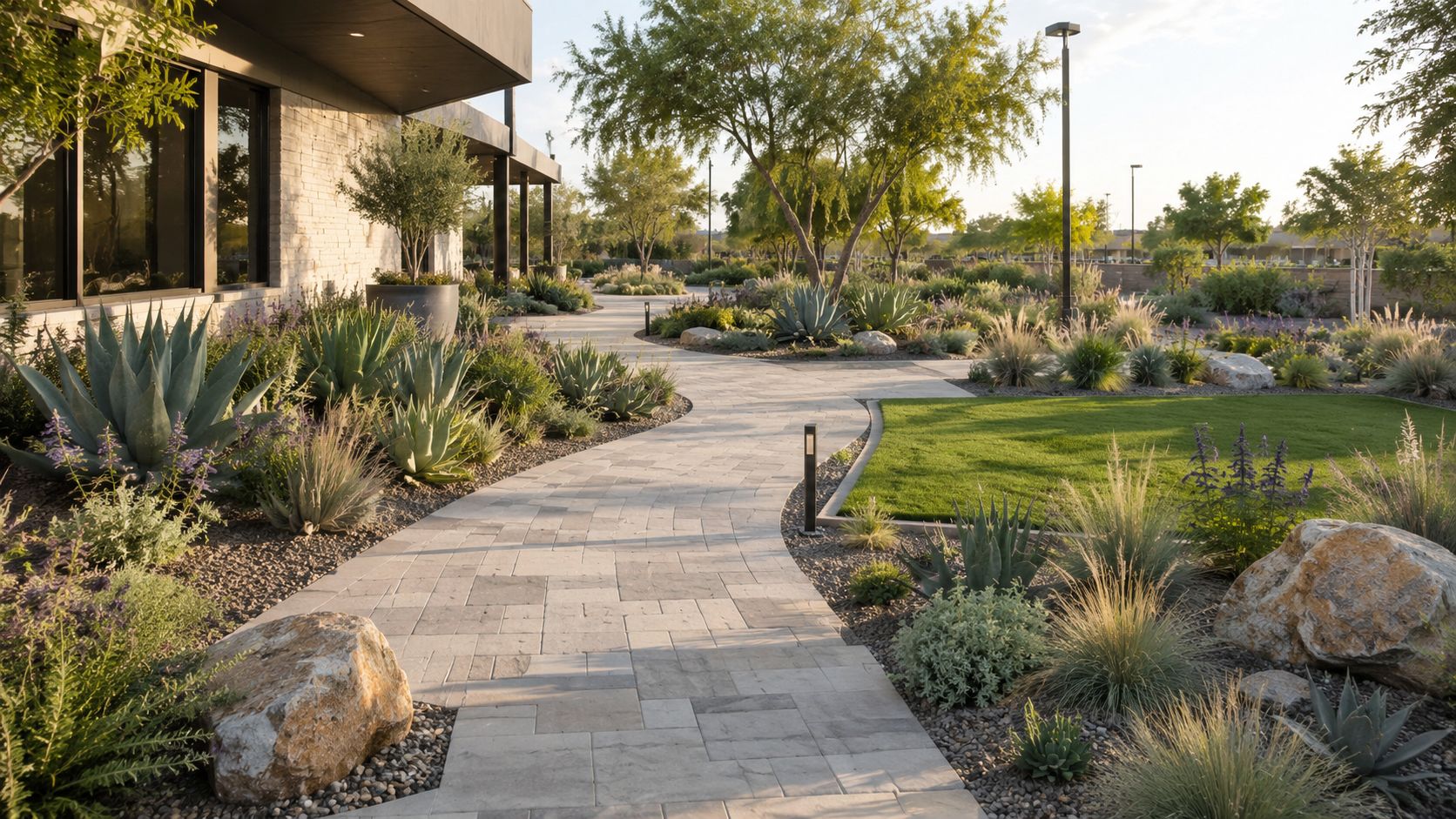
A property manager approves a water budget reduction, but the site still has broad turf panels no one uses, narrow beds that dry out against hot pavement, and paved areas that shed water into planting zones. At that point, irrigation efficiency alone will not solve the problem. Site design has to reduce demand, protect appearance standards, and make routine maintenance easier on a busy commercial property.
Keep Turf Where It Earns Its Keep
On commercial properties, turf often remains because an old site plan carried it forward. A better standard is to ask where turf is doing a job that another surface or planting type cannot do as well.
Good answers are clear. Entry sequences, outdoor gathering areas, recreation zones, and high-visibility frontage may justify irrigated lawn because they support tenant expectations and the public image of the asset. Low-visibility strips, awkward slope sections, and leftover perimeter ground usually do not.
That distinction affects cost for years. Every unnecessary square foot of turf adds mowing, edging, fertilization, irrigation demand, and appearance risk during water restrictions. On office parks, retail centers, and industrial campuses, the strongest approach is usually to keep lawn where people see it or use it, then convert the surrounding low-value ground to plant beds, aggregate areas, or other lower-input surfaces.
If you want a consumer-facing example of how teams think through lawn alternatives in drought-prone regions, this guide to North Georgia drought tolerant lawns is a useful outside reference. Commercial decision-making is stricter. Each area has to justify installation cost, water demand, crew time, and the consequence of failure.
Use Hardscapes as Part of the Water Strategy
Surface selection affects water use more than many owners expect. Hardscape can reduce the amount of irrigated ground, improve drainage, and limit the muddy edges and worn-out transition zones that create repeat repair costs.
Permeable paving and other permeable surface systems are especially useful in parking lot islands, pedestrian connectors, courtyards, overflow access routes, and similar commercial spaces where runoff control and appearance both matter. The value is not limited to stormwater performance. These materials can improve site access after rain, reduce pooling near entries, cut erosion along bed edges, and lower the amount of plant material crews have to nurse through harsh conditions. On properties with heavy foot traffic or service vehicle movement, those operational gains often matter as much as direct water savings.
Trade-offs still need to be assessed. Permeable systems require correct base preparation, periodic vacuuming or cleaning, and the right placement. They are not the answer for every loading area or every maintenance budget. But where they fit, they can reduce recurring repair work and help stabilize long-term site costs. For a closer look at surface options, this explanation of permeable pavement is useful when comparing where these systems fit on commercial sites.
Ask practical questions before specifying any surface change:
- Where can hardscape replace irrigated ground that serves no tenant or operational purpose?
- Which areas would benefit from better drainage and cleaner pedestrian access after storms?
- What surface will hold up under crew traffic, carts, and routine maintenance equipment?
- Can the maintenance team keep the material consistent without adding specialized labor every month?
Planting Design Has to Survive Real Operations
A planting plan can look efficient on paper and still create problems in the field. Commercial sites deal with reflected heat, wind exposure, pedestrian shortcuts, dust, loading activity, and deferred maintenance during busy periods. Plant selection has to account for those conditions at the start.
That usually means using durable, regionally adapted material in simple masses rather than building intricate beds that only look good with constant adjustment. Repetition reads cleaner from the street, crews can maintain it faster, and replacement work stays predictable. Beds also need enough access for pruning, irrigation checks, mulch refresh, and trash pickup. If crews cannot reach an area easily, that area will become expensive to keep presentable.
Strong plant design on commercial property usually shares a few traits:
- Plants suited to heat and pavement exposure
- Massing that stays orderly without constant fine-detail pruning
- Clear separation between pedestrian movement and planted areas
- Seasonal performance that still looks intentional under water limits
The best-performing sites treat turf, planting beds, and hard surfaces as one coordinated system. Lawn stays in useful, visible spaces. Plant material is selected for durability, not wishful thinking. Hardscape carries more of the functional load where that lowers water demand and maintenance pressure. That is how water conservation improves operations instead of creating another set of headaches.
A Phased Implementation Roadmap for Property Managers
The biggest mistake in commercial water conservation landscaping is trying to solve everything at once. That approach usually creates disruption, scope confusion, and mismatched expectations. A phased rollout gives property managers better control over budget, scheduling, and site impact.
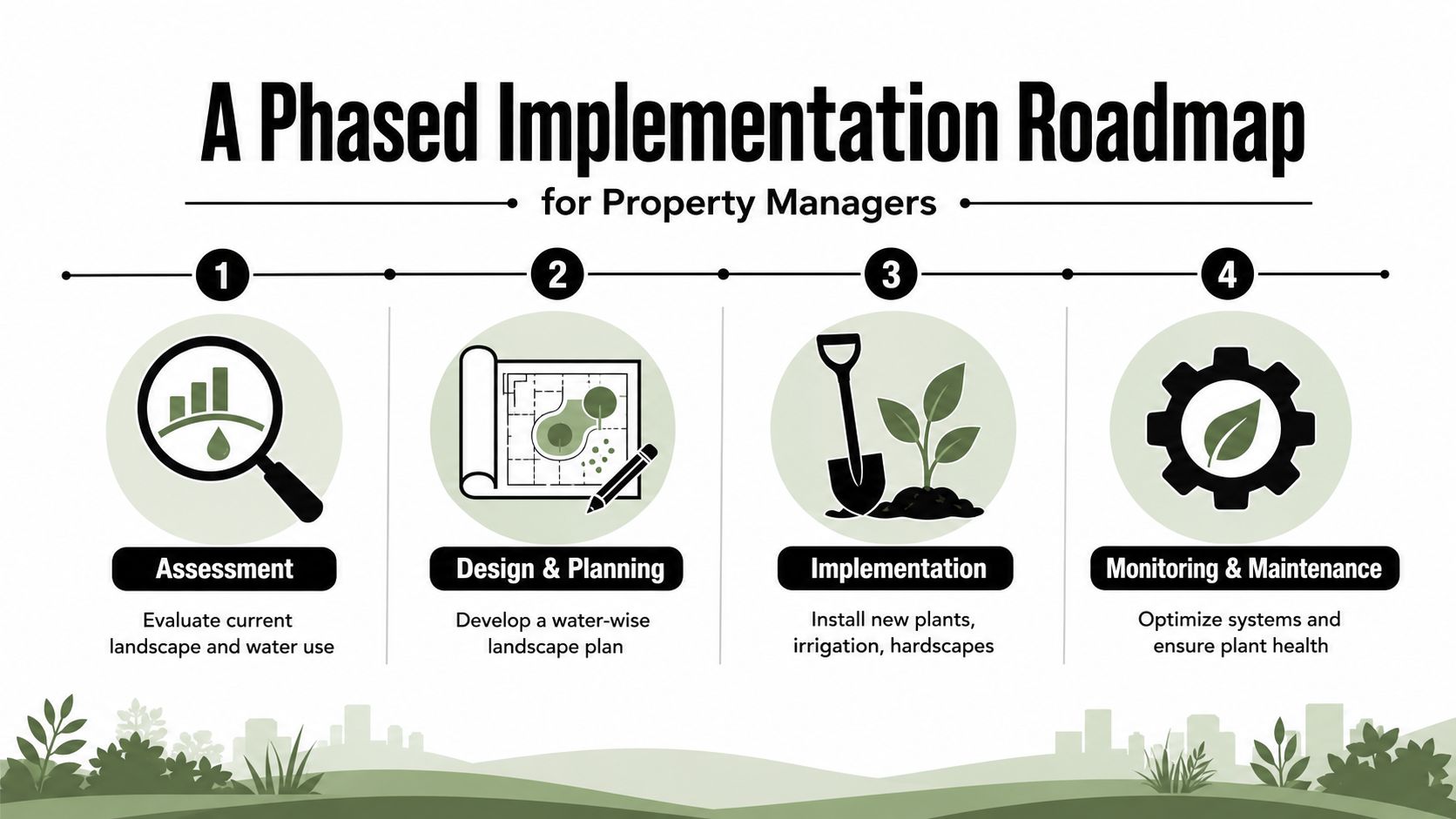
Phase One Assessment
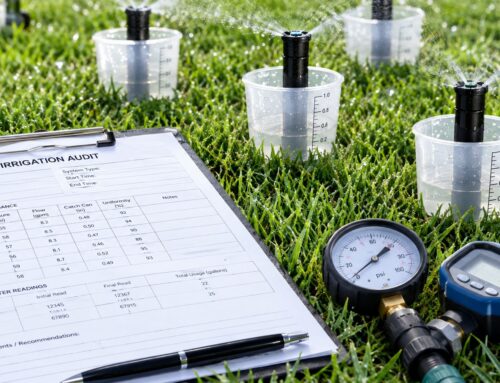
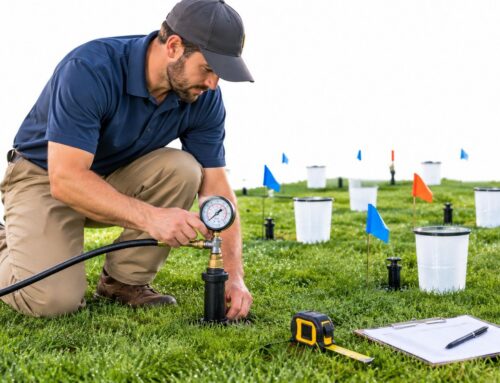
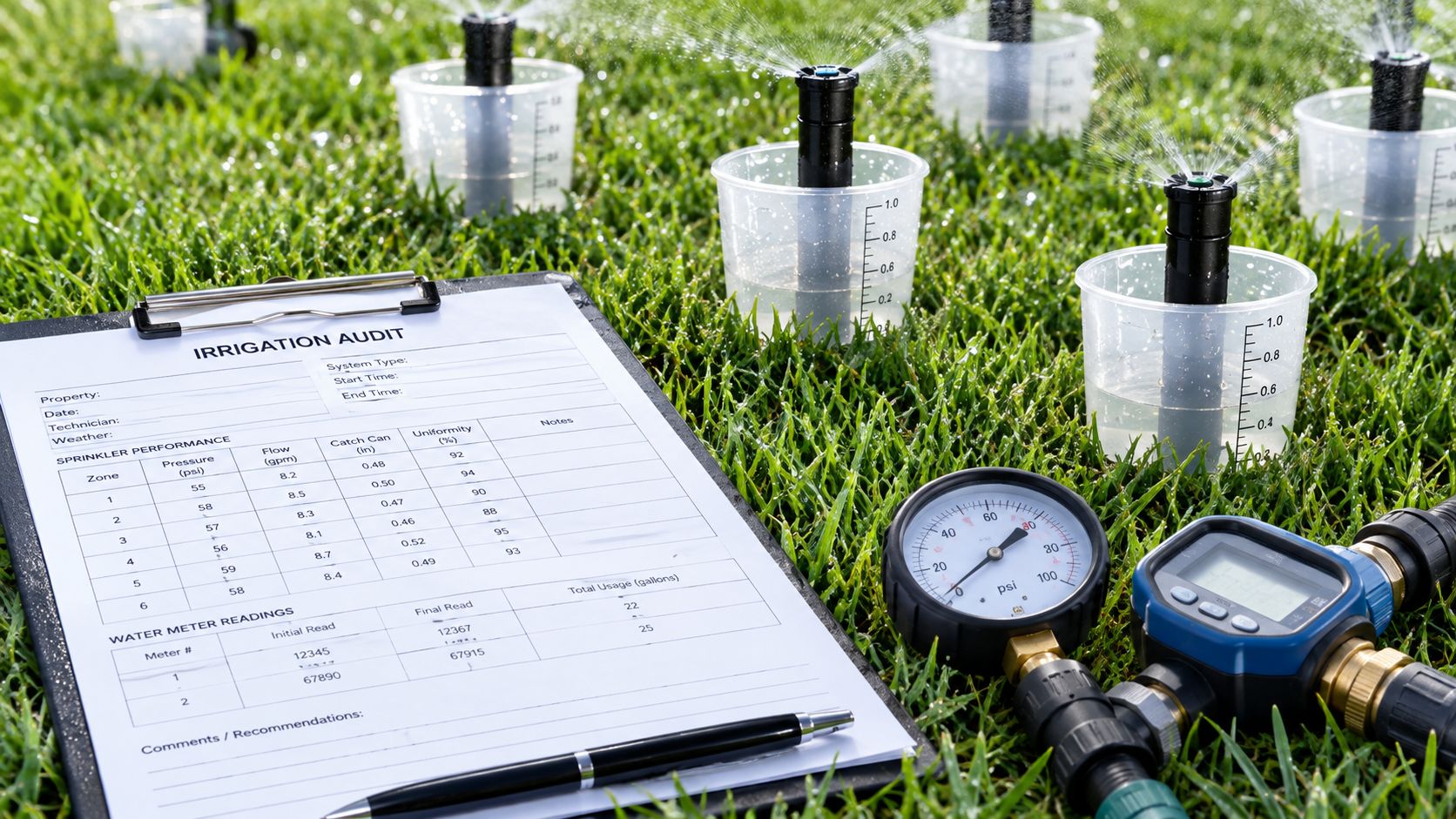
Start with a site-level audit. Review irrigation hardware, zone layout, plant performance, drainage issues, and where the planted areas are clearly overbuilt for the property's needs. Walk the site with operations in mind, not just design intent. Look at entries, side yards, parking lot islands, detention edges, tenant-facing courtyards, and low-visibility perimeter areas separately.
The assessment should identify where water is being wasted and where appearance is still essential. That distinction matters because commercial properties often need functional turf in selected locations, but as the Energy Saver overview of landscaping water conservation notes, implementing hydrozoning for that kind of turf is a real challenge. The strategy has to preserve curb appeal without oversaturating adjacent low-use zones.
Phase Two Design and Planning
Once the audit is complete, convert findings into a practical plan. Map hydrozones. Flag areas where turf should stay, shrink, or be removed. Decide where drip, microirrigation, improved spray equipment, or hardscape changes make sense. Confirm how traffic, service routes, and visibility requirements affect the design.
At this stage, the best plans are explicit about trade-offs.
- Preserve premium appearance at key arrival points.
- Simplify low-value areas that currently consume water and labor.
- Separate conflicting uses so turf and ornamental beds don't force each other into inefficient irrigation.
- Sequence work logically so the site remains presentable during changes.
The plan should tell ownership not just what will change, but what operational problem each change solves.
Phase Three Implementation
Installation needs to respect the property's business cycle. Retail centers may need work timed around peak traffic periods. Office campuses may need phased access around entries and parking. Healthcare and hospitality sites often require a tighter standard for noise, cleanliness, and daily appearance.
Proper sequencing is essential. High-visibility zones should be protected from looking half-finished for extended periods. Irrigation changes should be coordinated with planting and hardscape work so crews aren't repeatedly reopening the same areas. Temporary appearance management also matters more than many teams expect. A good phasing plan includes cleanup, traffic control, and clear communication with on-site stakeholders.
Phase Four Monitoring and Maintenance
A water-wise outdoor space isn't finished at installation. It has to be tuned. Plants establish. Controllers need adjustment. Some zones perform differently than expected once weather and operations interact with the new layout.
Long-term management should include:
- Regular irrigation reviews so schedules match actual conditions.
- Plant health checks to catch stress before decline becomes visible.
- Seasonal adjustments tied to climate and site exposure.
- Performance review by zone so weak areas can be redesigned instead of repeatedly overwatered.
The point of phasing is control. It gives property managers a way to improve water performance without turning the grounds into a disruptive capital project that drifts off course.
Conclusion Your Partner in Building a Resilient Landscape
A property manager approves a renovation to cut irrigation use, then gets the first summer complaint call. The entry looks thin, a tenant notices runoff near the walk, and the maintenance team is still hand-watering problem areas. That outcome usually comes from treating water reduction as a cosmetic update instead of a site performance decision.
On a commercial property, outdoor improvements have to hold up under budget pressure, seasonal stress, tenant expectations, and daily wear. Water-efficient planning pays off when turf is kept where it supports use and appearance, planting is matched to exposure and maintenance capacity, and irrigation is set by zone instead of broad assumptions. The best results also account for pavement, drainage, service access, and the way people move through the property.
Commercial owners need more than residential xeriscape advice. A retail center, industrial park, office campus, or healthcare site has different visibility standards, traffic patterns, liability concerns, and operating constraints. Water budgets matter, but so do first impressions, safe pedestrian surfaces, and reliable upkeep across large outdoor areas.
The trade-offs are real. Cutting turf in the wrong location can weaken curb appeal. Specifying permeable paving without a maintenance plan can create clogging and service calls. Installing smart controllers without ongoing review can leave savings on paper instead of on the utility bill. Good performance comes from coordinating design, construction, and operations so each decision supports the next one.
Resilient outdoor areas come from coordinated decisions made with the property's long-term use, maintenance demands, and capital plan in mind.
For owners and managers in Dallas, Fort Worth, and San Antonio, the upside is practical. Lower water waste, better control over recurring maintenance costs, stronger presentation in high-traffic areas, and fewer conflicts between appearance goals and operating budgets.
If you're evaluating a major grounds renovation or want a clearer picture of where water is being lost today, Prestonwood Commercial Landscape Services can help you assess the property, identify practical improvements, and build a water-wise plan that fits the way your site operates.