Full-service commercial landscaping maintenance typically costs $800 to $1,600 per acre per month, or roughly $9,000 annually per acre, but site complexity and service frequency can move the total substantially. A smaller, intricate property can cost more to maintain than a larger, open site with simple planting and easy equipment access.
The budget problem usually appears after the contract is signed. A property manager approves an attractive monthly quote, then receives separate charges for irrigation repairs, seasonal color, storm cleanup, mulch, pruning, or overgrown beds. The original number wasn't necessarily dishonest. It was incomplete.
Commercial landscaping maintenance cost is controlled by the work required to keep a property presentable, safe, and healthy throughout the year. Acreage matters, but so do labor hours, access, irrigation zones, plant maturity, weather exposure, and the standard your tenants or customers expect. The practical question isn't just, “What's the monthly rate?” It's, “What work does this rate buy, and what costs sit outside it?”
Table of Contents
- Understanding What Drives Commercial Landscaping Costs
- The Five Key Cost Drivers in Landscape Contracts
- Comparing Contract Structures and Pricing Models
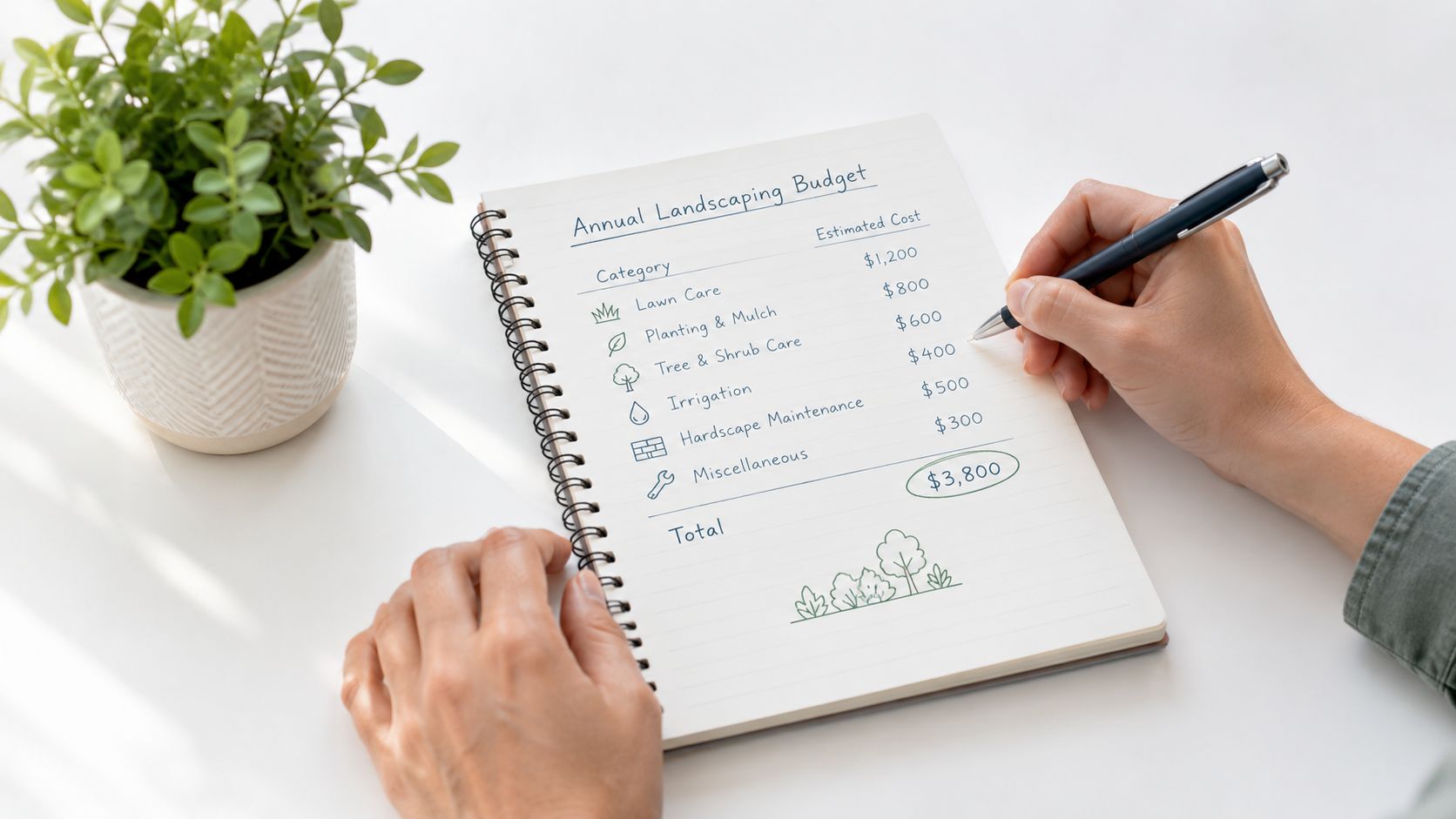
- Building a Realistic Annual Landscape Budget
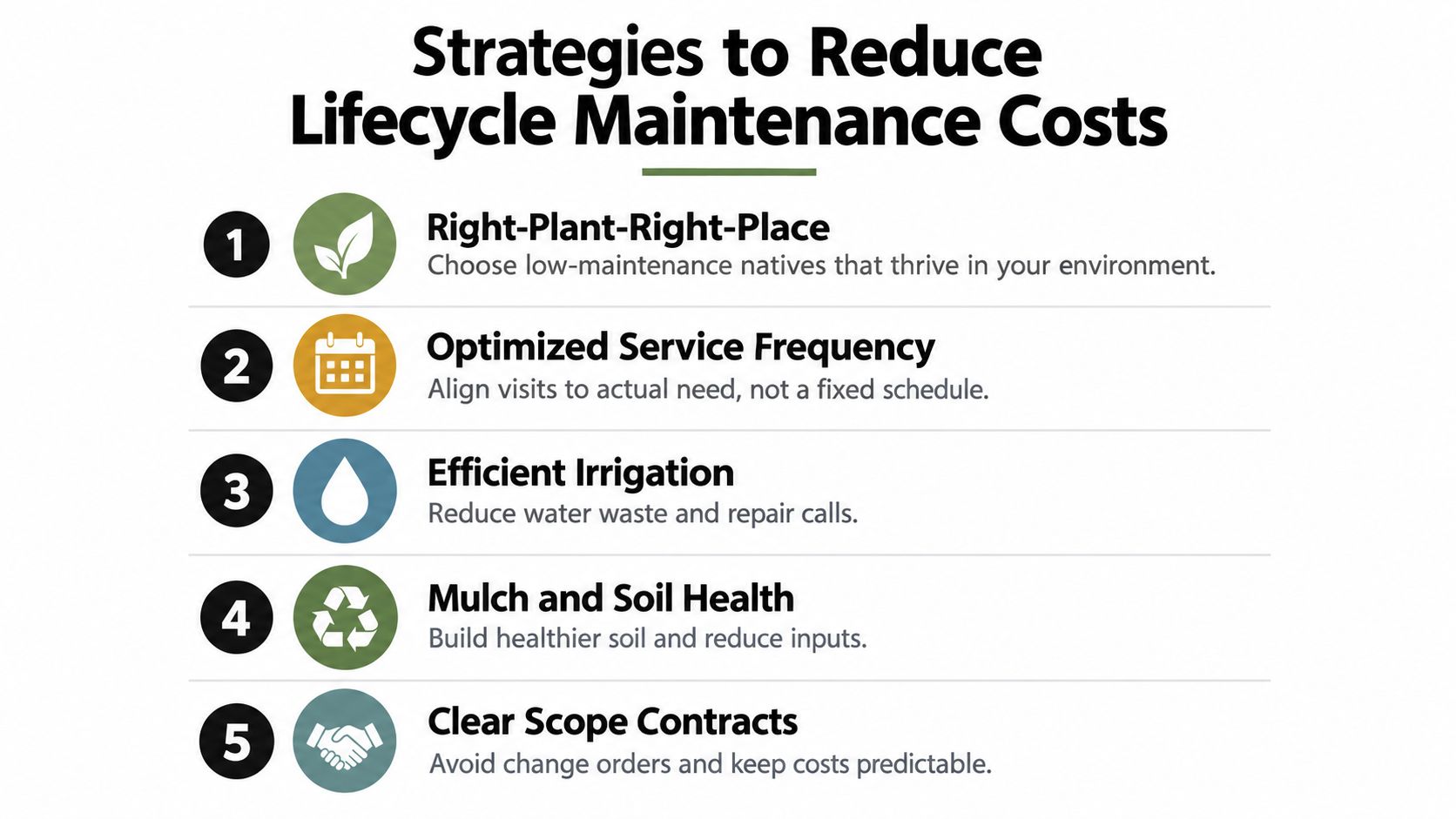
- Strategies to Reduce Lifecycle Maintenance Costs
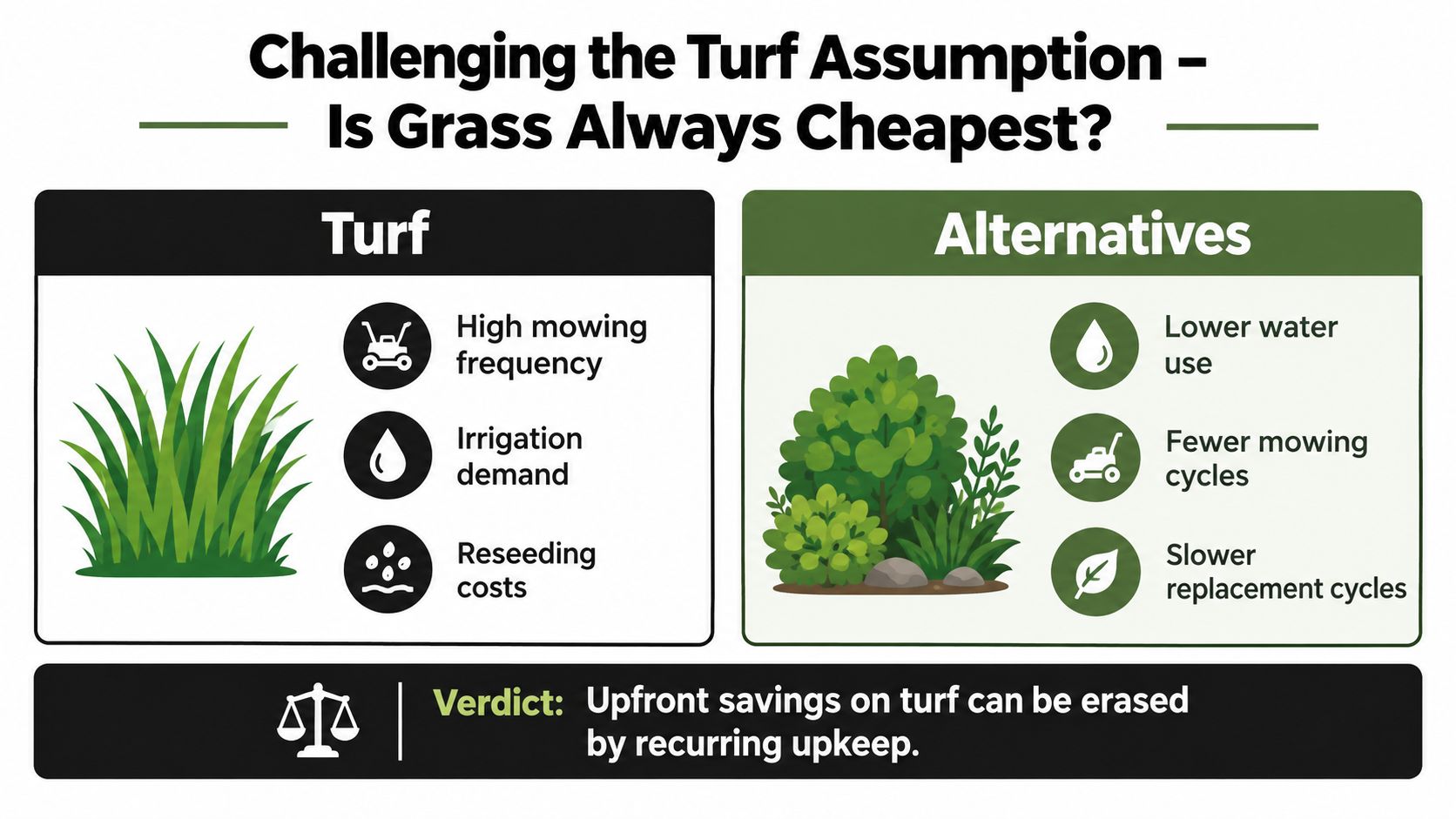
- Challenging the Turf Assumption Is Grass Always Cheapest
- Putting It All Together for Smart Property Management
Understanding What Drives Commercial Landscaping Costs
A property manager once showed me two proposals for sites with nearly identical acreage. One vendor priced the work substantially lower. At first glance, the comparison seemed straightforward. Both properties needed mowing, edging, pruning, litter removal, and irrigation oversight.
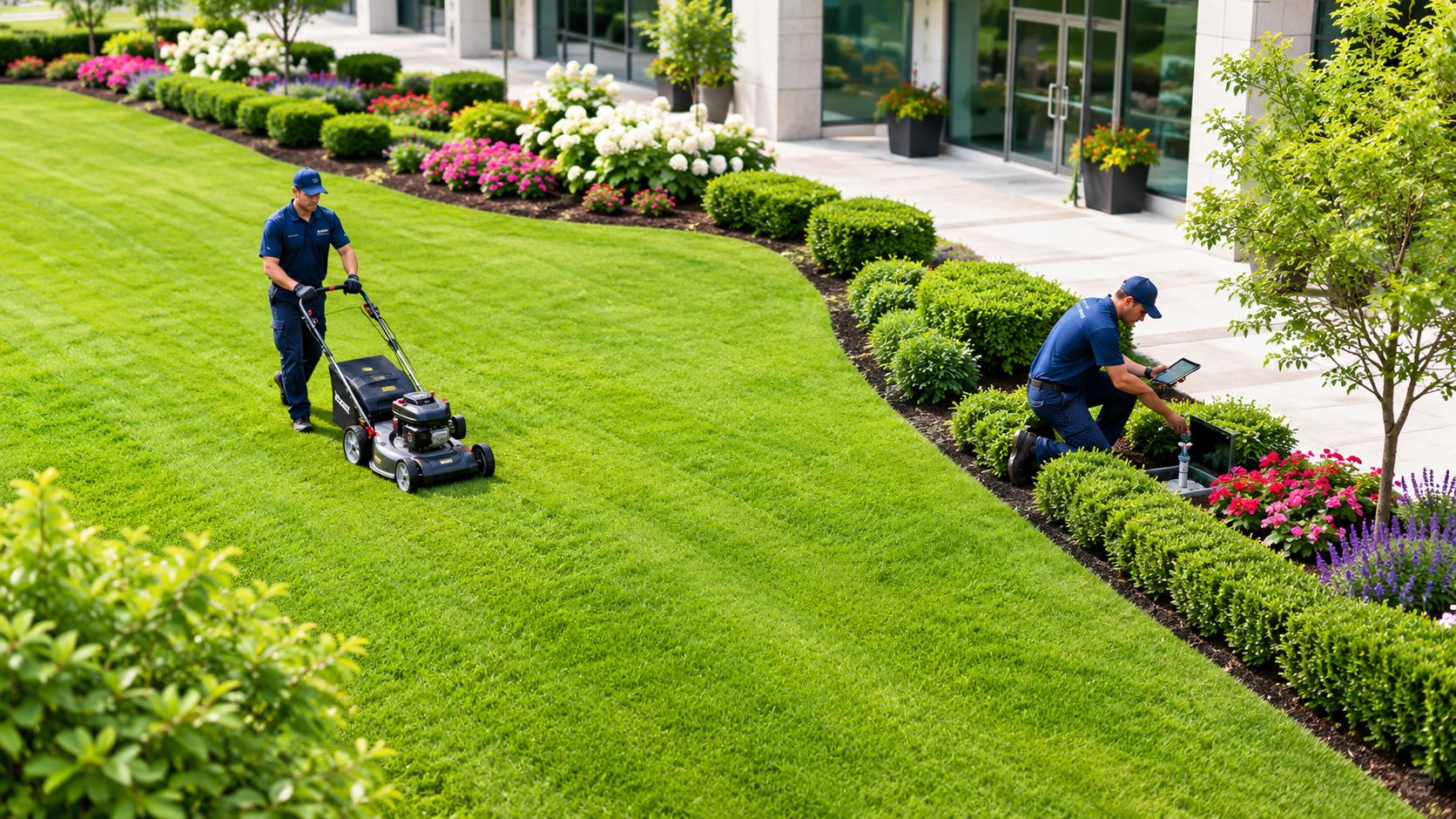
The cheaper site, however, had broad turf areas, simple beds, and direct access for riding equipment. The manager's property had narrow planting strips, several disconnected entrances, mature shrubs requiring hand pruning, and irrigation zones divided among different controllers. Crews spent more time moving equipment, trimming around obstacles, and checking areas that machines couldn't reach. The lower quote addressed acreage. The higher quote addressed labor.
That distinction explains why landscaping maintenance cost isn't a simple square-footage calculation. A large site with uncomplicated turf can be efficient to service, while a smaller office center with dense beds, slopes, pedestrian paths, and high presentation standards can consume more crew time per visit.
The visible and invisible work
A monthly proposal may list “grounds maintenance” as one line, but that phrase can conceal very different programs. Ask whether the scope includes:
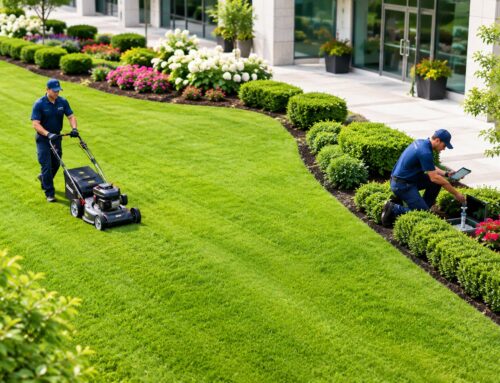
- Routine production work: Mowing, trimming, edging, blowing, litter removal, and bed care.
- Horticultural work: Pruning cycles, plant health observation, fertilizer applications, and replacement recommendations.
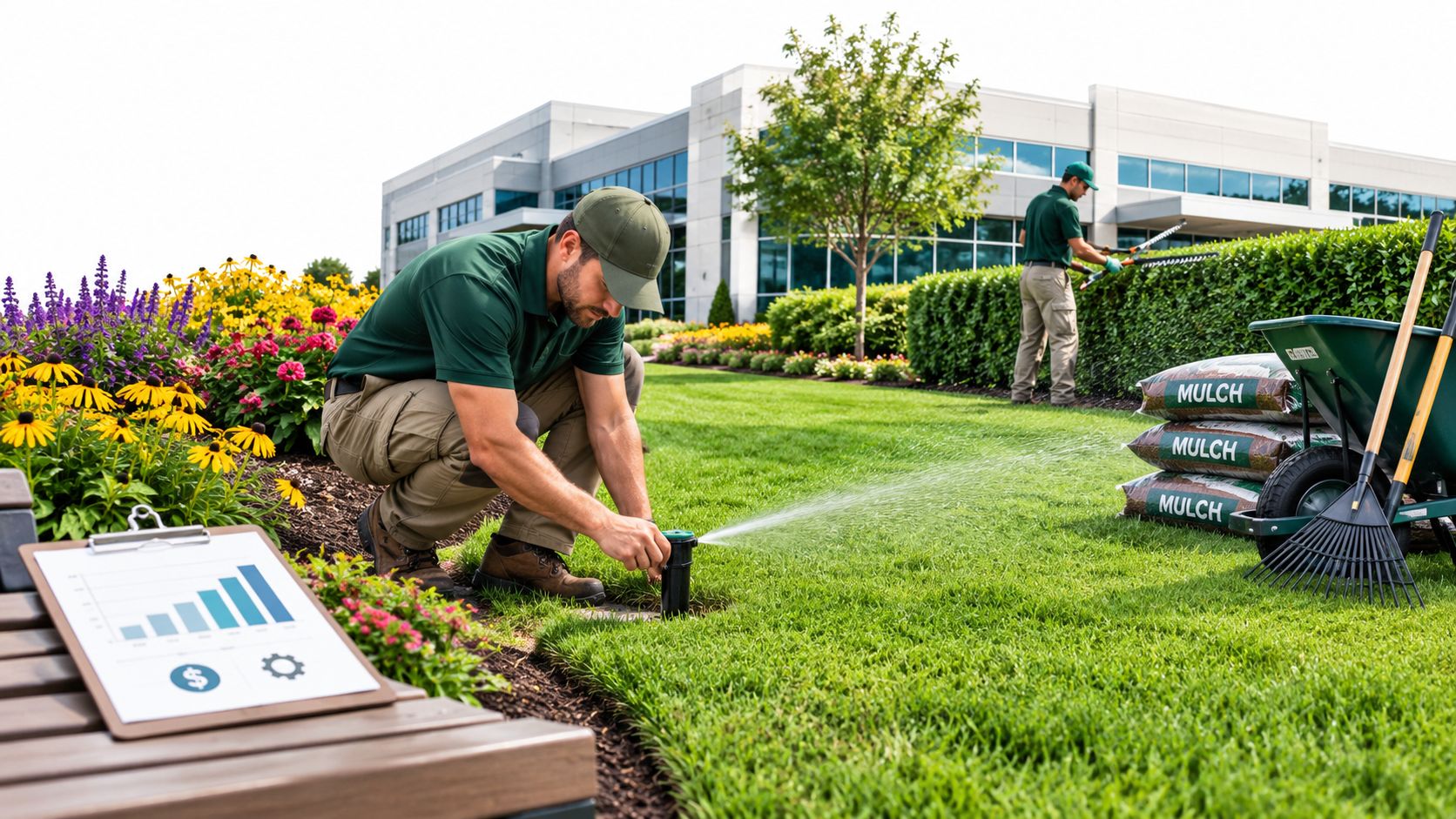
- Water management: Controller adjustments, irrigation inspections, leak detection, and repairs.
- Seasonal work: Leaf removal, mulch, seasonal color, storm response, and winter or summer preparation.
- Site administration: Inspections, reporting, quality checks, and communication with the property manager.
If a vendor excludes one of these categories, the base price may look competitive while the annual total remains high. A useful benchmark from LawnStarter's industry pricing report shows how even routine residential mowing varies through the year. The report places average lawn-care spending at $407 per year and average mowing at $6.38 per 1,000 square feet per mow across more than 2,000 U.S. cities. It also records a rise from $49.28 per mow in January to $54.66 in August, a 10.9% peak-season premium.
Commercial contracts face the same underlying pressures at a larger scale. Weather, labor availability, and mowing frequency affect the amount of work crews must perform, even when the property itself hasn't changed.
Practical rule: Treat the monthly quote as a payment structure, not a complete description of the work.
A neglected stump, damaged tree, or obstructed area can also create a separate project rather than a maintenance task. If removal is outside the maintenance scope, a property manager may need to schedule with StumpSniper.com before regular mowing and bed care can proceed safely.
The Five Key Cost Drivers in Landscape Contracts
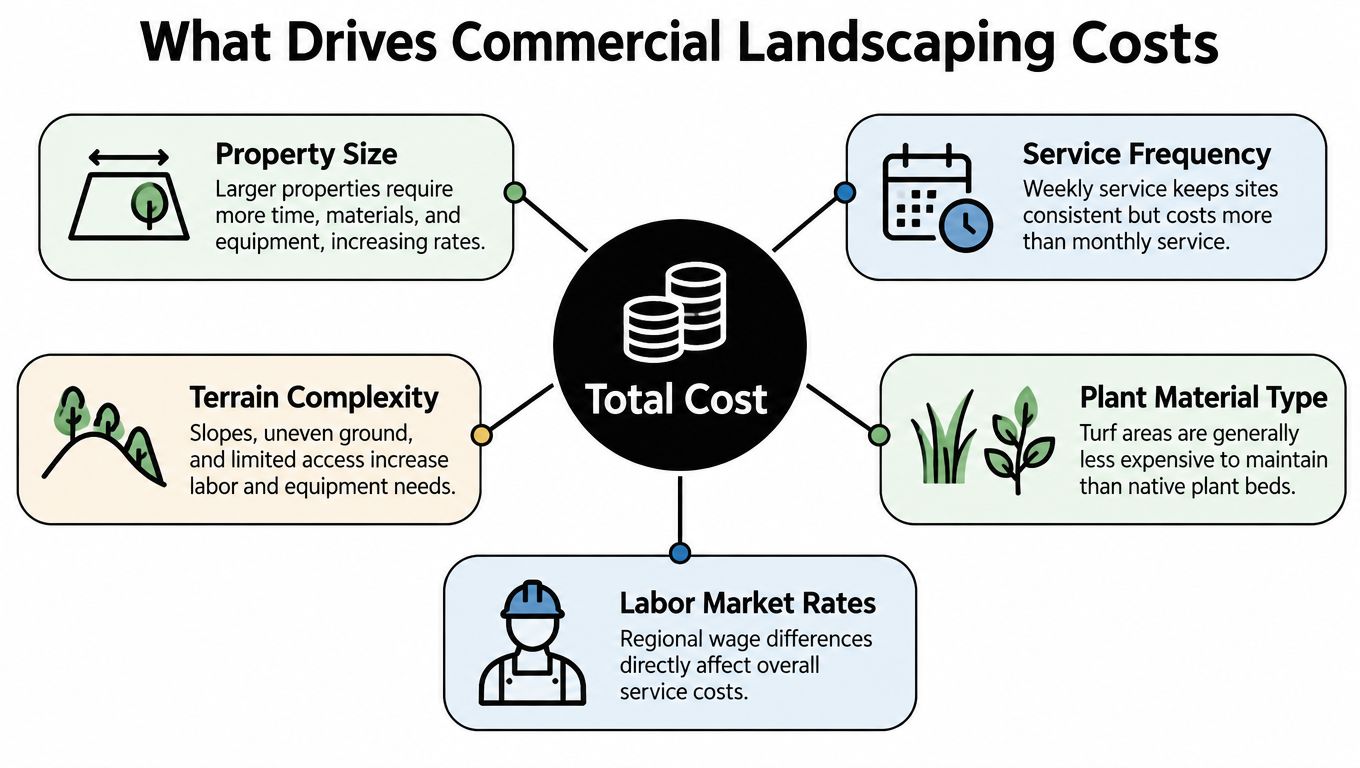
The five largest influences on a commercial budget are labor intensity, irrigation, seasonal enhancements, material inputs, and service frequency. They interact, so cutting one line item can push another higher.
Labor intensity
Labor usually becomes the largest variable when a property contains mature planting, narrow access routes, slopes, or high-detail areas. Mowing open turf is relatively easy to estimate. Hand-weeding beds, selectively pruning shrubs, clearing litter around parked vehicles, and working around pedestrians take more judgment and crew time.
Regional wage conditions matter as well. A vendor operating in a competitive labor market may need to charge more to retain trained staff. That isn't automatically a problem. An inexpensive crew that misses irrigation leaks or damages plant material can create costs that exceed the original labor savings.
Irrigation complexity
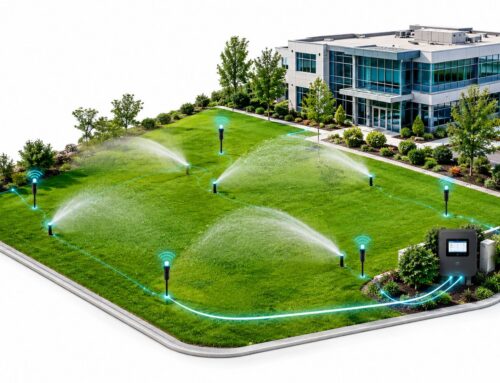
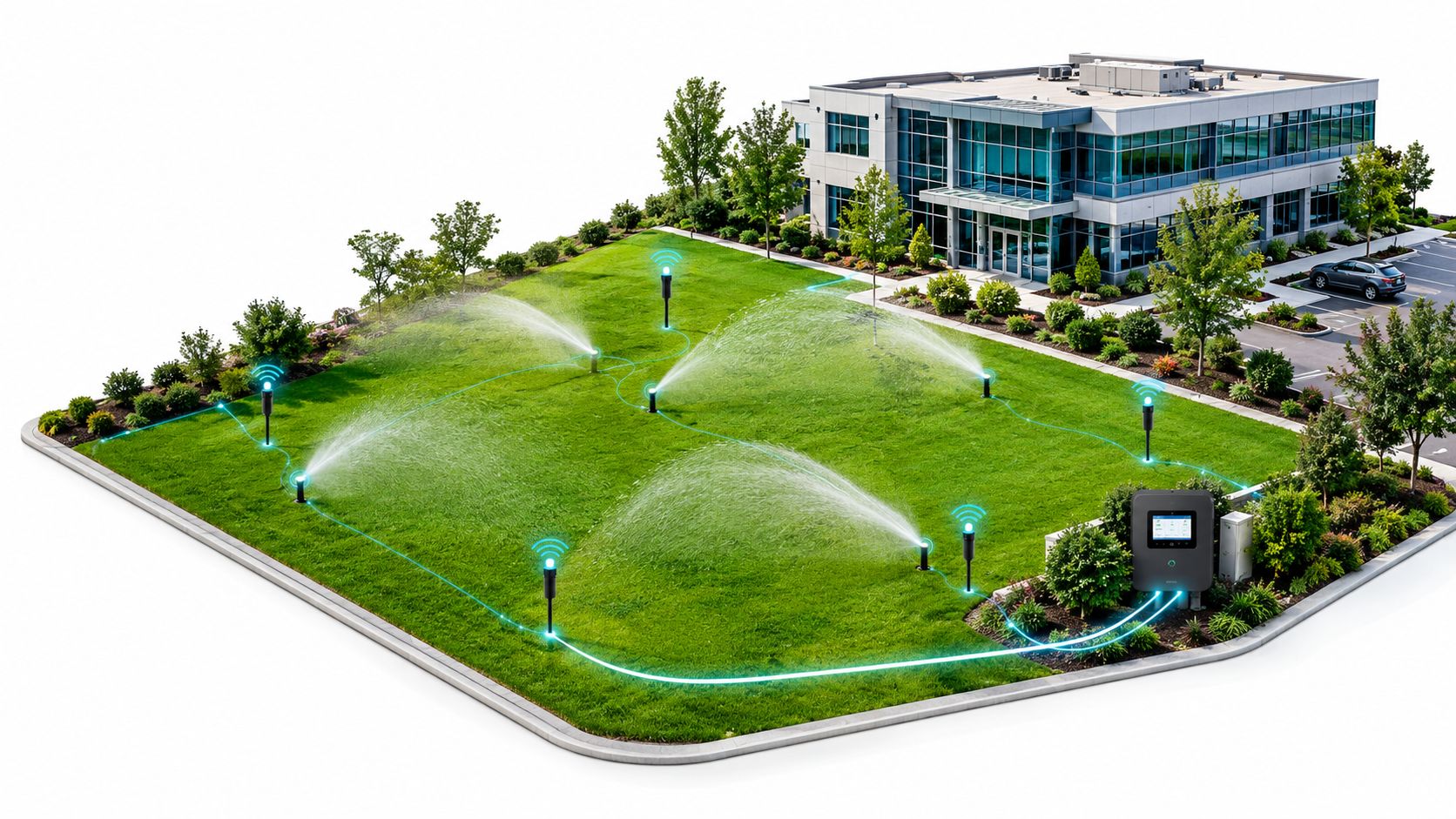
Irrigation is often the most underestimated part of a maintenance quote. A simple system may need routine observation and minor adjustments. A complex commercial site can have multiple controllers, drip zones, spray heads, pressure issues, and areas with different sun and drainage conditions.
Independent market intelligence identifies irrigation system maintenance and large commercial grounds among higher-cost service categories, with cited rates of $80 to $210 per hour. The same landscape maintenance market analysis says pricing varies by scope, frequency, complexity, location, and seasonality, and reports U.S. prices rising 2.7% from 2022 to 2025. Use those figures as market context, not as a substitute for a site audit.
Seasonal color
Seasonal color can make an entrance look finished, but it isn't ordinary mowing. Crews must remove spent material, prepare beds, install plants, provide follow-up care, and sometimes replace failures. If seasonal color is buried inside a low base price, the vendor may have limited room to deliver the appearance the property expects.
Put seasonal color in its own line item. That makes the timing, plant palette, installation labor, irrigation needs, and replacement policy visible.
Materials
Mulch, fertilizer, soil amendments, plant replacements, stone, and disposal all affect the annual total. Material quantities can be difficult to compare when one proposal includes a defined application and another only says “as needed.”
Require the proposal to identify whether materials are included, marked up, billed at cost, or approved separately. A contractor who provides a low maintenance rate but bills every material as an add-on may still be appropriate, but you need to compare the full operating model.
Service frequency
Frequency changes more than the number of visits. More frequent visits can prevent weeds from maturing, keep turf within acceptable height, and reduce the amount of corrective work required later. Less frequent service may reduce routine billing while increasing handwork, cleanup, or emergency attention.
The right question is not whether weekly service is always better. It's whether the visit schedule matches the property's growth pattern, visibility, irrigation performance, and occupancy. A retail center entrance may need close attention while a low-traffic perimeter can follow a different rotation.
Comparing Contract Structures and Pricing Models
The same maintenance program can produce different financial outcomes depending on how the vendor bills it. A fixed retainer, time-and-materials agreement, and per-visit arrangement each transfer risk to a different party.
| Contract structure | What it does well | Where cost can hide |
|---|---|---|
| Fixed-price retainer | Creates predictable monthly billing and supports a planned service schedule | Risk allowances, exclusions, and change orders may be embedded in the price |
| Time and materials | Keeps scope flexible when site conditions change | Storm damage, weed outbreaks, and repairs can create bill shock |
| Per-visit billing | Lets the manager authorize work as needed | Gaps in service can create corrective work and scheduling problems |
| Base maintenance plus add-ons | Keeps routine care easy to compare | Seasonal color, irrigation, mulch, and pruning may materially raise annual spend |
A fixed retainer works well when the property has a stable scope and the manager values predictable cash flow. The vendor carries more risk if weather or growth increases labor demand, so the price may include a risk margin. That isn't excessive. The issue is whether the contract clearly states what happens when conditions fall outside the agreed scope.
Time and materials can be sensible for a property undergoing renovation or one with uncertain irrigation and plant health. It gives the manager control over extra work, but the approval process must be disciplined. Set authorization limits, require descriptions of labor and materials, and ask vendors to document the condition that triggered the charge.
Per-visit billing looks transparent, but it can encourage postponement. If a manager skips a visit to save money, weeds may seed, turf may become visibly stressed, or beds may require heavier cleanup at the next service. The rate can be reasonable while the operating pattern becomes expensive.
The distinction between cost and price is useful during negotiations. AmbitionCFO's explanation of costing and pricing offers a helpful finance lens: a vendor's price reflects more than direct labor, it also reflects overhead, risk, and the value of delivering the agreed result.
For a closer look at scope language, compare your proposal with guidance on commercial landscape contracts. Look for service frequency, response times, exclusions, material handling, irrigation responsibility, seasonal work, and the process for approving extras.
A low base rate isn't a savings if the contract excludes the work your property needs most.
Building a Realistic Annual Landscape Budget
Start with the site, not the vendor's monthly number. Walk the property with the current contract, invoices, irrigation map, and recent work orders. Mark every area that generates recurring labor or unpredictable charges.
A practical audit can follow this sequence:
- Map the service zones. Separate turf, planting beds, tree areas, hardscape, stormwater features, parking islands, and high-visibility entrances.
- Record the required work. Note mowing, edging, pruning, weed control, irrigation checks, litter removal, seasonal cleanup, mulch, color, and plant replacement.
- Separate routine and corrective work. A recurring maintenance task belongs in the operating budget. A failing controller, major drainage issue, or renovation may require a capital allocation.
- Review invoices by category. Add recurring charges and one-time work separately. This exposes whether the monthly rate is fully complete.
- Build a seasonal calendar. Assign labor and materials to the periods when crews perform them, even if billing remains level across the year.
- Create an approval reserve. Keep a defined allowance for unpredictable work, rather than pretending that every site will remain static.
Scale efficiencies can reduce the unit cost of certain tasks. HomeGuide's commercial lawn-care cost guide cites mowing at $50 to $150 per acre per visit on properties under 5 acres, compared with $25 to $60 per acre per visit on sites of 5 acres or more. Larger areas can spread travel and setup time across more ground, but that advantage applies mainly to efficient mowing. It doesn't eliminate the cost of detailed beds, tree work, irrigation repairs, or difficult access.
A worksheet that exposes the real total
Use a simple annual worksheet with these columns:
| Budget category | Included in base contract | Seasonal or variable | Approval needed |
|---|---|---|---|
| Mowing and turf care | Yes or no | Growth-related changes | Usually defined |
| Bed maintenance and pruning | Yes or no | Intensity varies by season | Clarify threshold |
| Irrigation oversight | Inspection only or full service | Repairs and parts | Set authorization limit |
| Mulch and fertilizer | Quantity and timing | Material pricing | Confirm markup |
| Seasonal color | Installation and replacement terms | Plant palette and timing | Usually separate |
| Storm and emergency work | Response terms | Damage severity | Define hourly basis |
| Plant replacement and renovation | Usually excluded | Condition dependent | Capital or operating decision |
Keep monthly cash flow separate from annual liability. A flat payment can help forecasting, but it doesn't mean the property has no seasonal cost spikes. For a more detailed comparison method, use guidance on commercial landscaping cost per square foot alongside your actual site measurements and invoices.
Strategies to Reduce Lifecycle Maintenance Costs
The cheapest maintenance decision is often made before the crew arrives. Planting design, irrigation layout, bed geometry, and material selection determine how much labor the property will require for years.
A manager shouldn't remove every planting bed or reduce service until the site looks neglected. The better approach is to identify areas where the property pays repeatedly for avoidable work, then redesign those areas around access, water, and plant behavior.
Right plant in the right place
Choose plant material for the site's sun, soil, drainage, mature size, and visibility. A shrub that constantly outgrows a narrow walkway creates pruning labor and can damage sightlines. A plant that struggles with heat or reflected pavement may require replacement, supplemental watering, and repeated troubleshooting.
Native and adapted plants can reduce input demands where they suit the conditions. They still need establishment care and periodic management, but the selection should support the site's actual environment rather than fight it.
Make irrigation measurable
Irrigation management saves money only when someone checks performance. A controller schedule can run perfectly while a broken head floods a sidewalk or a clogged emitter leaves a bed dry.
Have the vendor document abnormal pressure, overspray, runoff, broken heads, and controller changes. Smart controllers can help, but they don't replace field inspection. A practical irrigation program combines controller review, seasonal adjustment, visual observation, and prompt repair approval.
Match visits to actual need
Uniform service schedules are convenient, but commercial properties rarely grow uniformly. High-visibility entrances, turf receiving heavy use, and beds near irrigation failures may need more attention than remote perimeter areas.
Ask the contractor to identify where visit frequency can change without lowering presentation standards. The objective isn't fewer visits everywhere. It's putting labor where it prevents visible decline and expensive corrective work.
Improve soil and mulch management
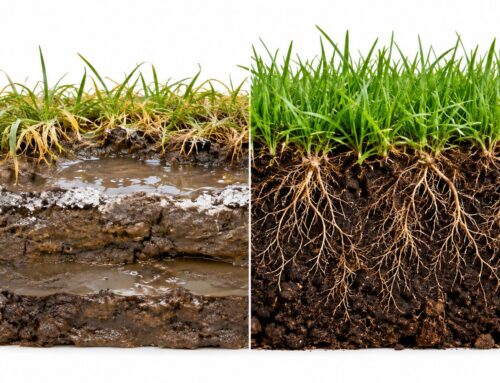
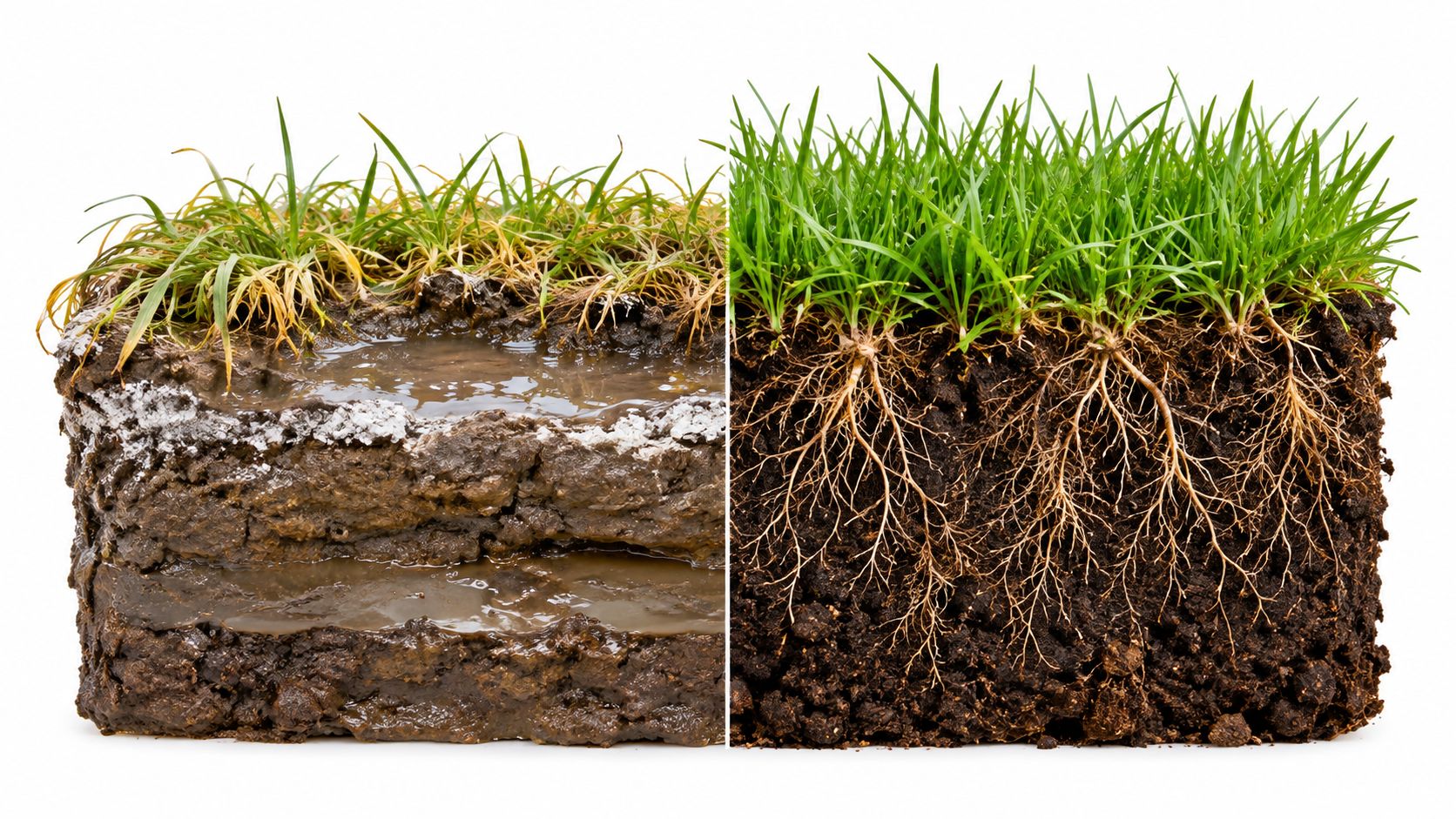
Healthy soil supports stronger plants and can reduce repeated replacement and intensive input. Mulch can moderate soil conditions and suppress weeds, but excessive depth or poor placement can damage trunks and create other maintenance problems. Specify material, application standard, bed preparation, and cleanup rather than approving “mulch” as an undefined allowance.
For managers who need a repeatable record of site conditions, work orders, irrigation issues, and plant replacements, landscape asset management can provide a more organized basis for planning. The value comes from connecting observations to decisions, not from collecting data that nobody reviews.
Write the scope clearly
A precise scope prevents change orders caused by different assumptions. Define what “pruning,” “irrigation monitoring,” “seasonal cleanup,” and “weed control” mean on this property. Also define what the vendor may do without approval and what requires a written proposal.
Design choices lower lifecycle cost only when the maintenance team can actually work with them.
Challenging the Turf Assumption Is Grass Always Cheapest
Turf often looks inexpensive because the installation is familiar and the recurring task is easy to visualize. A manager sees mowing as a predictable operation and may assume grass is cheaper than planting beds.
That assumption breaks down when the property has large irrigated areas, difficult mowing edges, thin turf, heavy foot traffic, or recurring water and fertilizer demands. Turf requires repeated mowing and attention, while a permanent planting bed may shift more of the work toward seasonal pruning, weeding, and mulch management.
Neutral water-efficiency guidance cited in the EPA landscape cost comparison indicates that turf maintenance can cost about 25% to 30% more annually than maintaining permanent shrubs and ground cover. The same source compares conversion economics over 6-year and 10-year periods, showing that irrigation and upkeep reductions can create meaningful savings after part of a property moves away from turf.
Where turf earns its place
Turf still has a role. It provides a clean, flexible surface for recreation, events, pedestrian circulation, and open visual space. Replacing it indiscriminately can create new costs if the alternative planting fails, obstructs visibility, or requires intensive hand care.
Evaluate each turf zone against its actual purpose:
- Keep functional turf: Retain areas used for gathering, circulation, or a deliberate open-space effect.
- Question narrow strips: Small, irregular fragments beside curbs and buildings often require disproportionate edging and trimming.
- Review difficult slopes: Sloped turf can increase labor, equipment limitations, and erosion concerns.
- Convert low-value areas: Consider adapted ground cover, shrubs, ornamental grasses, or hardscape where the area has little functional use.
- Protect visibility: Keep planting low and maintain sightlines near entrances, drives, and pedestrian crossings.
Conversion isn't automatically cheaper at installation. Soil preparation, removal, irrigation changes, and new plant material require planning and capital. The lifecycle question is whether the reduced mowing, watering, and replacement burden justifies that investment over the period you expect to own or manage the property.
A useful evaluation compares each zone's purpose, current maintenance burden, water performance, and failure history. If a turf area repeatedly needs repair and receives little use, its low initial complexity may be hiding a poor long-term choice.
Putting It All Together for Smart Property Management
A sound landscaping budget begins with a site audit, not a generic monthly average. Measure labor intensity, irrigation complexity, seasonal work, material exposure, and the service frequency each zone needs. Then choose a contract structure that makes exclusions and approval rules visible.
Review the property at least as carefully as the invoice. A data-informed commercial real estate strategy with BatchData can help managers connect property information with operating decisions, including where conditions affect asset performance. Use that discipline to question turf-heavy design, track recurring repairs, and fund improvements that reduce lifecycle work.
Your immediate checklist is simple: request a line-item scope, separate operating and capital work, inspect irrigation, identify high-cost zones, and compare annual totals rather than monthly rates alone.
Prestonwood Commercial Landscape Services builds and maintains commercial grounds across Dallas-Fort Worth and San Antonio, with services covering routine maintenance, seasonal color, irrigation audits and repairs, water management, and property renovation. Review your current scope, identify the costs hidden outside the monthly quote, and visit Prestonwood Commercial Landscape Services to discuss a maintenance program built around your property's actual needs.