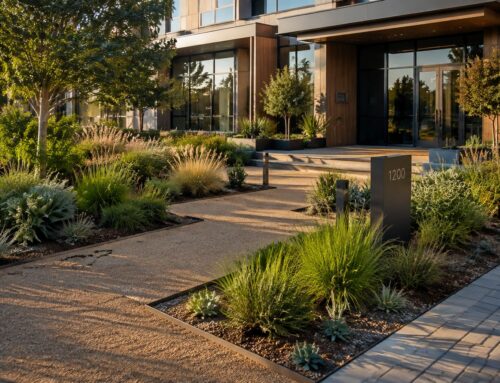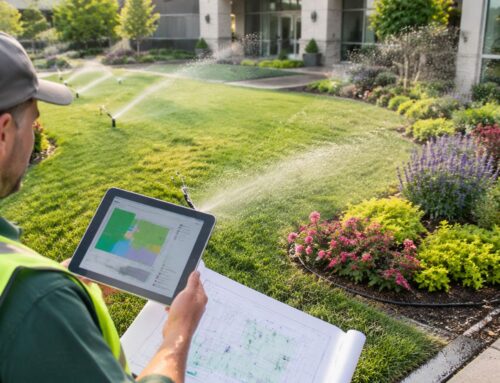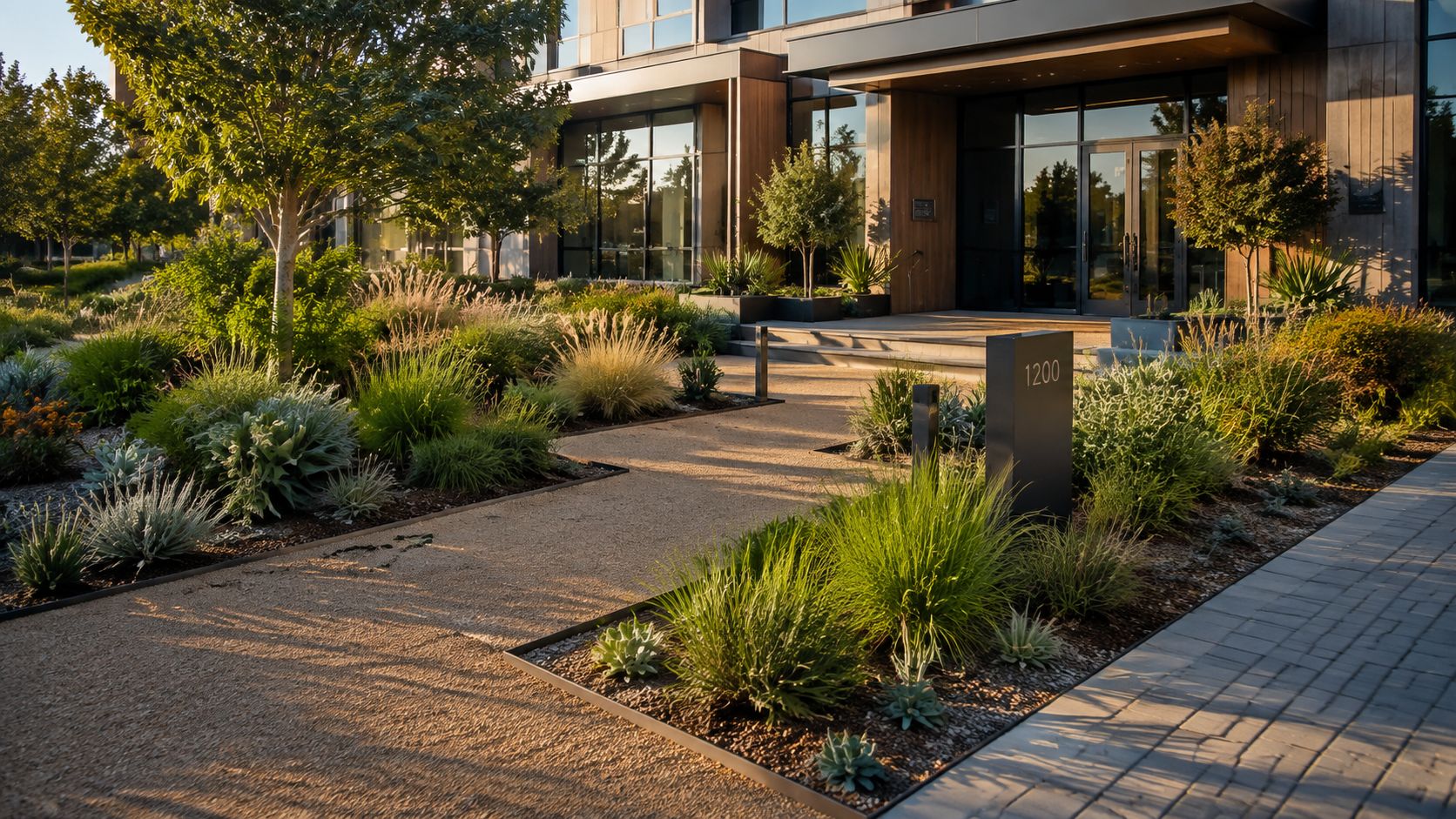
By mid-summer, the pattern is easy to spot on a Texas commercial site. Entry color fades out, hot-facing beds start looking thin, irrigation time gets adjusted upward, and the crew is back replacing plants that were installed only weeks earlier. That cycle costs money twice. Once in materials, and again in labor, water, and curb appeal.
Strong results start with the plant list. On full-sun properties in Texas, that means choosing flowers that can take prolonged afternoon heat, reflected pavement glare, and inconsistent rainfall without constant replacement. A plant that looks good in spring but stalls in July is a poor fit for high-exposure beds, medians, and entry plantings.
This guide is built for commercial property managers who need color that holds up and budgets that stay predictable. The plants below were selected for heat tolerance, water efficiency, maintenance labor, and how reliably they carry a site through the long Texas warm season. The goal is simple. Fewer replacements, fewer service calls, and better-looking properties for more of the year.
Table of Contents
- 1. Lantana
- 2. Esperanza
- 3. Desert Rose
- 4. Coreopsis
- 5. Black-eyed Susan
- 6. Pride of Barbados
- 7. Blanket Flower
- 8. Salvia
- 9. Desert Marigold
- 10. Zinnia
- Top 10 Full-Sun Flowering Plants Comparison
- Building a Strategic Seasonal Color Plan
1. Lantana
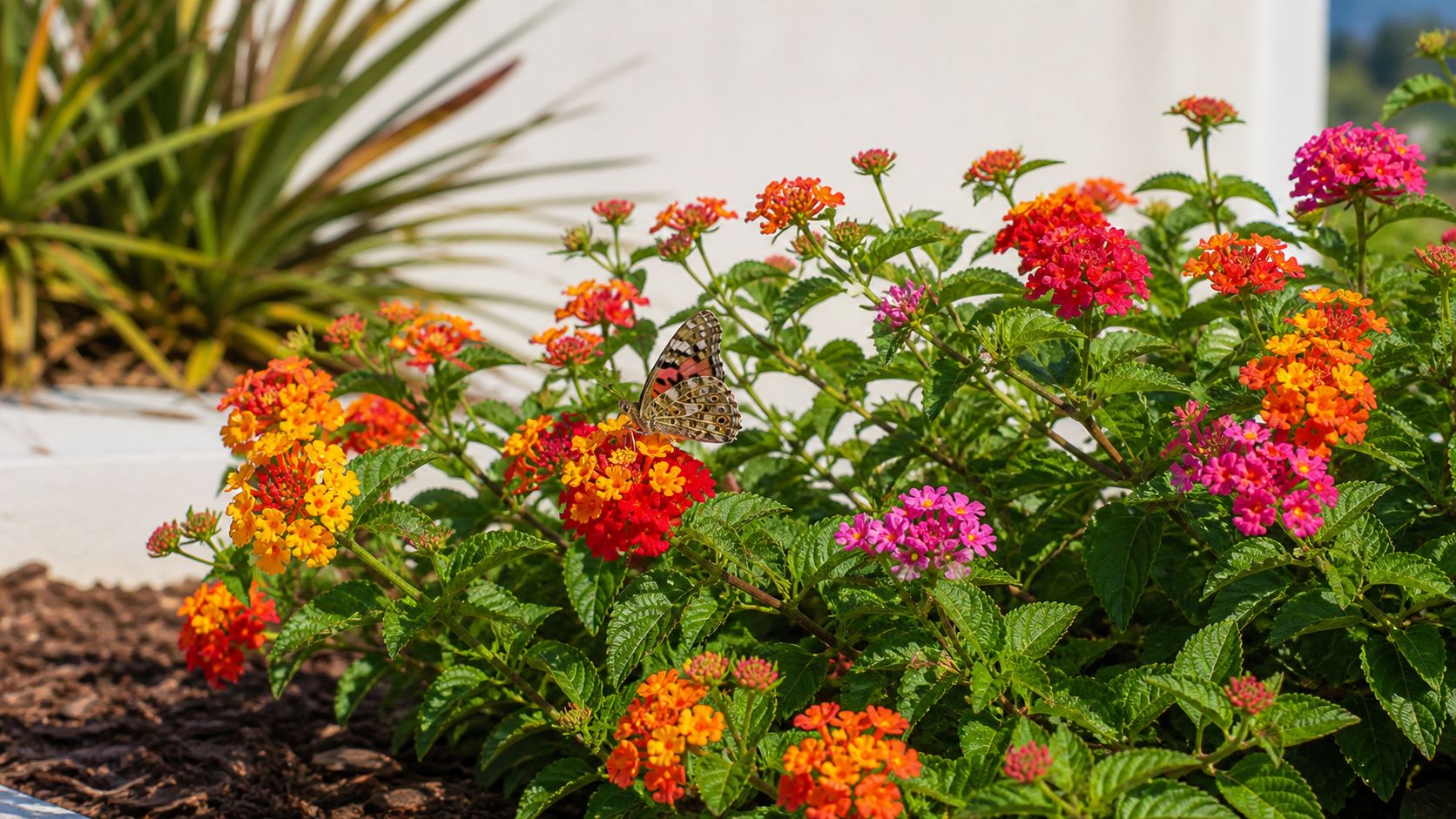
Lantana is one of the safest answers when a property needs reliable color in punishing sun. On retail centers, road-facing beds, and long perimeter islands, it keeps performing after fussier material starts declining. That matters when the grounds have to look intentional between service visits, not just right after one.
Its business value is simple. Once established, lantana doesn't ask for much, and that lowers pressure on both irrigation and labor. It's especially useful where reflected heat from paving and curbs makes other flowering plants fade early.
Why it earns its space
In Dallas corporate campus perimeter beds, lantana works best as a massed shrub layer rather than as a one-off accent. Plant it with enough room for mature spread, and avoid cramming it between thirsty seasonal color that needs a very different watering schedule. If you force those plants into one hydrozone, lantana usually isn't the one causing the problem.
Practical rule: Use lantana where you want long-season color with less intervention, not in beds designed around constant shearing and high water.
A few practical notes matter on commercial sites:
- Spring installation works best: Give it warm soil and time to root before peak summer stress.
- Early shaping helps: A spring cutback keeps the form tighter and reduces that loose, leggy look later in the season.
- Placement matters: It's strong in medians, parking lot islands, and sunny street edges where crews can't baby plantings.
The trade-off is appearance style. Lantana reads informal and energetic, not crisp and formal. For a Class A office entry with a highly architectural planting palette, it may belong in secondary beds rather than the front door focal zone.
2. Esperanza
Esperanza gives you bold color from a distance. If you manage a hotel drive, monument sign bed, or a large office park entrance, this plant does the kind of visual work that smaller flowers can't. The golden-yellow bloom clusters show up well against stone, stucco, and dark mulch, which is why it often ends up in signature Texas outdoor designs.
It also tolerates the conditions that cause constant turnover in more delicate shrubs. Heat, bright sun, and less-than-perfect soil don't usually knock it out of the running.
Where it pays off
On commercial properties, esperanza is strongest when you treat it like a focal shrub and not filler. It needs enough room to develop size, and it looks best where the blooms can sit above surrounding material instead of being buried in a crowded mixed bed. In North Dallas entries, that often means flanking monument signage or anchoring corners of large beds.
If you're in colder pockets of DFW, site selection matters. Protected microclimates near walls, south-facing exposures, and areas with less wind make it easier to carry through seasonal swings. In San Antonio, it's generally easier to use with confidence.
- Use mulch to stabilize soil moisture: That helps new installations establish without chasing water constantly.
- Prune with intent: Light shaping after bloom cycles keeps it branching instead of stretching.
- Don't undersize the space: If you install it too close to walks or signage, crews end up over-pruning it.
Esperanza isn't the lowest-profile plant on this list, and that's the point. When you need a flowering shrub that reads as a statement piece without demanding a flower-bed level of attention, it's a strong fit.
3. Desert Rose
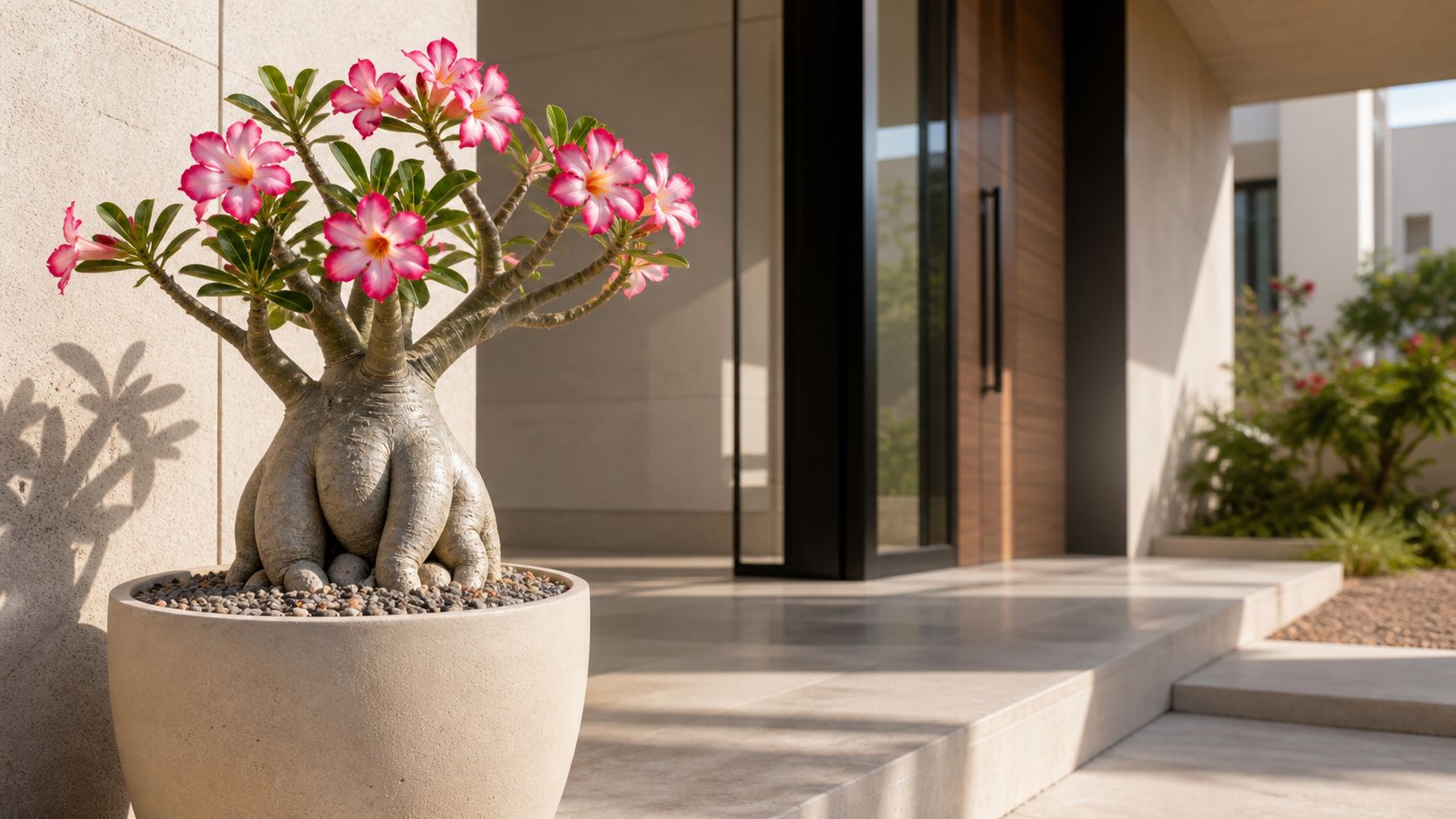
A property manager usually notices desert rose when the goal is not bed coverage, but visual impact at the front door. In the right setting, it delivers a polished, architectural look that annual color cannot match. The bloom is part of the value. The swollen trunk, compact habit, and sculptural form are what justify using it in a premium location.
That also limits where it belongs.
Desert rose performs best in controlled installations such as entry containers, raised planters, and sharply drained feature beds. For upscale retail, hospitality courtyards, and modern office entrances, that can be a smart use of budget because one well-placed specimen often does more than a larger mass of short-lived seasonal color.
Best commercial use
On Texas commercial sites, desert rose works in small, high-visibility zones where irrigation can be managed separately from the rest of the property. Entry pots at a shopping center, poolside planters at a hotel, and courtyard accents in dry-design installations are all practical fits. It also pairs well with North Texas native plant options used in water-conscious commercial beds and with xeriscape landscaping strategies for commercial properties, especially when the design priority is low water use with a cleaner, more curated appearance.
Drainage is the main make-or-break issue. If irrigation overspray keeps the root zone wet, or if the bed holds water after storms, replacement costs rise fast. Desert rose should stay out of mixed beds with turf spray heads, thirsty annuals, or heavy clay that has not been corrected.
Put desert rose where crews can control the soil mix and watering schedule. Shared irrigation usually shortens its lifespan.
A few decisions improve performance and reduce service headaches:
- Use containers or raised planters where possible: Better drainage lowers the risk of rot and makes premium entries easier to manage.
- Keep irrigation separate: Deep, occasional watering works better than frequent cycles tied to nearby color beds.
- Plan for winter exposure in North Texas: Container placements are easier to protect, rotate, or replace if a cold snap hits.
- Use it where detail matters: It reads best near entrances, seating areas, and pedestrian zones, not across a long roadway frontage.
The trade-off is straightforward. Desert rose is a specialty plant, not a workhorse for broad-acre coverage. Used in the right pocket of a property, it can improve presentation without creating a high-labor flower program.
4. Coreopsis
Coreopsis earns its keep on Texas commercial properties that need summer color without a high-touch maintenance program. It fills space fast, reads well in grouped plantings, and holds up better than many flowering options when irrigation coverage is uneven across large beds.
That makes it useful in the parts of a property that often get less attention after install. Roadside entries, detention pond edges, utility corridors with visible frontage, and wide HOA common areas all benefit from a plant that can carry color without constant correction.
Why budget-minded sites use it
For property managers watching labor hours and replacement costs, coreopsis solves a specific problem. It gives a bed an intentional, flowering look without locking the site into seasonal change-outs or weekly grooming. On larger parcels, that difference shows up in crew time and annual color budget.
It also works well alongside North Texas native plant strategies for commercial properties and a low-maintenance perennial planting approach, especially where the goal is durable color in full sun instead of a formal display that has to stay perfect every week.
A few decisions improve results:
- Mass it in visible drifts: Broad groupings read from the street and look more deliberate on commercial sites.
- Use it where irrigation is decent, not perfect: Coreopsis handles some inconsistency, but bloom performance still drops in dry pockets.
- Deadhead on a schedule, not constantly: Periodic cleanup usually gives enough rebloom without turning the bed into a labor sink.
- Match the plant to the setting: It suits medians, side beds, and naturalized edges better than high-profile front doors that need a tighter finish.
Coreopsis gives up some polish in exchange for lower input. That is usually the right trade on Texas properties where water pressure varies, crews cover a lot of ground, and the planting plan needs to look good for months without behaving like an annual program.
5. Black-eyed Susan
On a Texas property that gets hammered by sun, reflected heat, and uneven irrigation, Black-eyed Susan earns its keep. It gives you visible color through the summer without the input level of a seasonal flower program, which is why it works so well on sites where appearance matters but crew hours are limited.
The business case is straightforward. This plant reads clearly from a drive lane, fills space fast in grouped plantings, and tolerates average soil better than fussier bloomers. That makes it a practical choice for apartment communities, office campuses, HOA common areas, and long roadside beds where managers need color that does not turn into a weekly correction project.
Best fit on commercial sites
Black-eyed Susan makes the most sense on properties that want a regional, less formal character. It performs well in broad drifts, mixed perennial zones, and sunny perimeter beds where the goal is to keep visual interest up without treating every bed like a front-entry display. It also pairs well with other North Texas native plant strategies for commercial landscapes.
Use it as part of a mix, not as the only visual note in the bed. The flower color is strong, but the overall presentation improves when it sits next to grasses, upright salvias, or other perennials that give the planting more structure across the season.
Black-eyed Susan succeeds because it is predictable. On commercial properties, that usually matters more than novelty.
A few practical notes for managers:
- Plant in masses that can be seen at speed: Small scattered groups disappear on larger sites. Wider sweeps look intentional and justify the install cost.
- Let reseeding happen where the maintenance standard allows it: In lower-formality areas, that can help stretch coverage over time and reduce replanting.
- Keep fertility moderate: Too much water and fertilizer can push softer growth and a looser look, which is not ideal on exposed commercial beds.
The trade-off is finish quality. At a highly formal entrance, Black-eyed Susan can read too loose unless the surrounding planting is tightly organized. In secondary beds, medians, and broad sunny areas, it is one of the best performers for full sun you can specify with confidence.
6. Pride of Barbados
Pride of Barbados is a signature plant. When it's happy, it delivers the kind of orange-red bloom display that stops people at a property entrance. That's why it shows up at resorts, statement medians, and upscale developments that want a more tropical visual language without building an entire tropical palette around it.
In Texas, it handles heat well and brings strong architectural presence. For the right site, that means fewer plants can do more visual work.
Where to use it carefully
This is not a fill-in shrub. It needs placement that respects both its mature form and its climate sensitivity in colder parts of North Texas. In San Antonio, it's easier to use broadly. In north DFW, crews need to think about microclimate, wind exposure, and winter recovery when they specify it.
The best commercial use is as a focal specimen in protected beds where guests or tenants will see it. At a hospitality entry or a feature node near an office drop-off, it can justify the space. In a random parking lot island with no protection, it's a riskier call.
- Give young plants support if the site is windy: Establishment is smoother when stems aren't whipped around.
- Mulch the root zone: That helps with moisture retention and temperature moderation.
- Avoid overusing it: One dramatic specimen has more impact than repeated use in every bed.
Its trade-off is predictability across microclimates. If your property standard favors uniform, low-variance performance, Pride of Barbados may belong only in selected showcase areas rather than throughout the site.
7. Blanket Flower
A roadside monument sign, a long fence line, and a bed budget that will not support high-input seasonal color. That is where blanket flower earns its keep.
Blanket flower, or gaillardia, fits commercial sites that need color without rich soil, frequent irrigation, or constant grooming. On Texas properties with broad acreage, HOA commons, municipal-adjacent edges, or secondary parking areas, it gives you a longer bloom window than many low-water options while keeping replacement pressure relatively low.
The business case is straightforward. This plant performs best where the goal is coverage and resilience, not a polished front-entry finish. The flowers read well from a distance, and the plant works with native, xeric, and more informal planting schemes that do not require every bed to look tightly clipped.
Where it pays off, and where it does not
Blanket flower handles full sun well, but hard afternoon exposure on Texas pavement-heavy sites can still shorten its best-looking period. In practice, west-facing beds with reflected heat often push faster fading and a rougher late-summer appearance than open sites with better airflow and morning-to-midday sun.
The Missouri Botanical Garden plant profile for Gaillardia pulchella notes that good drainage matters and that overly wet or heavy conditions create problems faster than lean soils do. That is the maintenance filter property managers should pay attention to. If a bed stays soggy after irrigation cycles or storm runoff, this is not your best labor-saving choice.
- Use it in lower-input zones: Perimeter beds, utility corridors, detention-area edges, and other non-premium spaces are strong fits.
- Match it to the right visual standard: It reads as natural and heat-adapted, not formal or highly manicured.
- Keep drainage high on the checklist: Survival drops faster from wet feet than from average neglect.
For budget-conscious Texas sites, blanket flower can lower water demand and reduce the amount of seasonal swap-out needed to keep some color on the property. The trade-off is appearance control. If a bed sits at the main entrance and has to look crisp through late August, spend more for a tighter, more managed plant palette.
8. Salvia
Salvia is less one plant than a category of useful solutions. Texas Sage, Autumn Sage, and seasonal scarlet types all bring different strengths, which is why salvia shows up on so many commercial palettes. It gives you flower spikes, repeat color, and a tighter habit than many informal perennials.
For property managers, that versatility is the primary value. You can use one salvia type for a perennial shrub layer and another for seasonal accents, while keeping a fairly coherent visual language across the site.
What works in Texas
On office campuses and retail centers, Autumn Sage and Texas Sage are often the better long-game choices because they settle into a low-input pattern after establishment. Scarlet salvia can still be useful where you want a stronger seasonal punch in containers or front-door beds, but it behaves more like a planned color rotation than a durable backbone plant.
Historical horticultural guidance also places salvia among the top full-sun perennials used as benchmark performers in Zone 6 conditions, alongside coneflower, rudbeckia, yarrow, Russian sage, daylilies, and sedum, which supports its reputation for resilience across varied climates in the Gardenia overview of top Zone 6 full sun perennials.
Salvia is one of the easiest ways to add repeat bloom without building your whole plan around thirsty seasonal color.
A few practical use cases stand out:
- Use perennial salvias for structure: They hold beds together after annual color fades.
- Use scarlet salvia where visibility is close-range: Entries, pots, and pedestrian zones suit it best.
- Prune for shape, not punishment: Repeated hard shearing takes away much of its natural value.
The limitation is matching the right salvia to the right purpose. Treat them all the same, and the results get uneven fast.
9. Desert Marigold
Desert marigold is for difficult sites. If you've got alkaline soil, sandy conditions, or a bed where irrigation coverage is never perfect, this is the kind of plant that earns a spot through reliability rather than flash. It won't read as luxury planting, but it can keep a troubled area from looking abandoned.
That makes it useful on office park back edges, broad HOA commons, and low-priority zones that still need seasonal brightness. In the right place, simple performance beats expensive failure.
Where it solves problems
Desert marigold is strongest where you're trying to rehabilitate a weak planting area without over-investing in soil amendment, water, and ongoing hand labor. It works better in masses than as a specimen, and it fits naturally with gravel mulch, decomposed granite edges, and other dry-site materials common in Texas-adapted garden designs.
Managers often make one mistake with plants like this. They over-improve the bed, then irrigate it like a flower border. That usually defeats the point.
- Use it in low-input zones: It's ideal where tougher conditions are already part of the site.
- Keep the soil lean: Rich, moisture-retentive beds aren't where it performs best.
- Allow some natural spread where appropriate: In informal areas, that can support continuity without constant replanting.
The trade-off is aesthetic character. Desert marigold feels more native and utilitarian than polished or lush. For a front entrance, it may be too restrained. For problem areas that need dependable bloom in heat, it's a smart commercial choice.
10. Zinnia
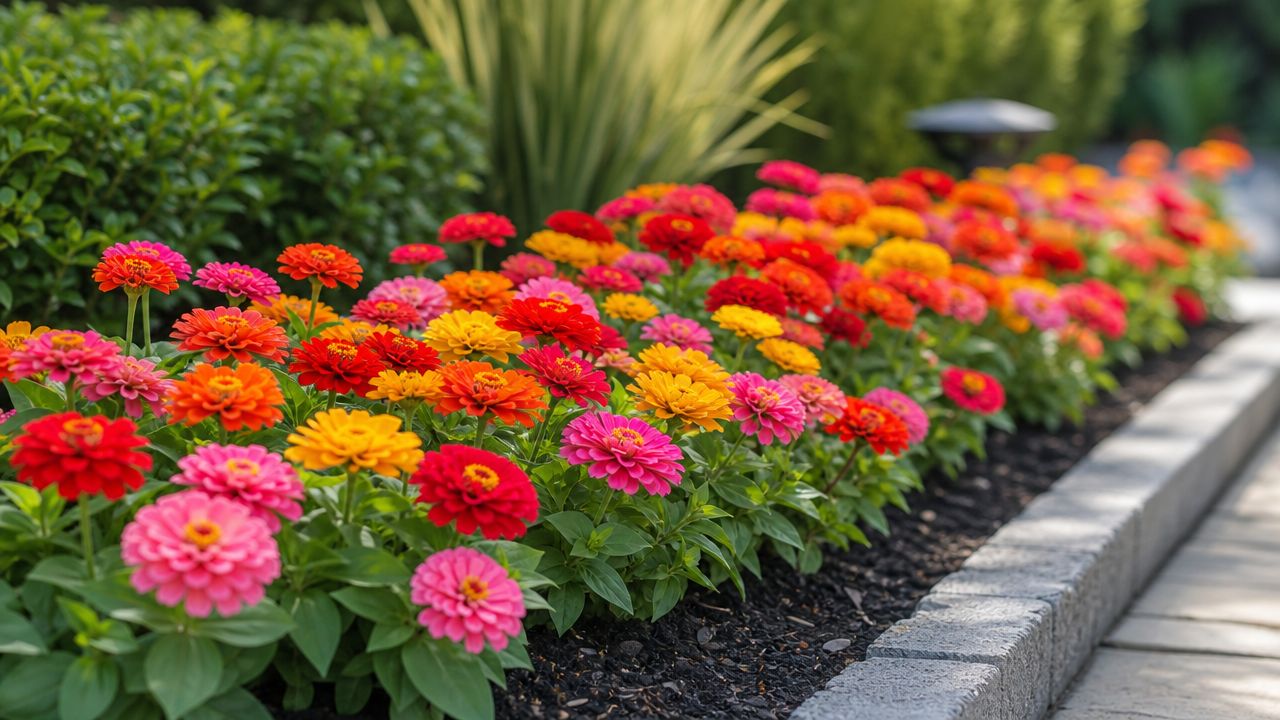
A summer annual bed can fall apart fast in Texas. One missed irrigation cycle, reflected heat off pavement, and a high-visibility entry starts looking tired right when tenants and visitors notice it most. Zinnia stays in commercial rotation because it fills that gap quickly, produces color fast, and gives managers a practical way to refresh frontage after spring plantings fade.
For properties that need obvious color without a long establishment period, zinnia is a useful tool. It is especially effective at leasing offices, retail entries, restaurant patios, and other beds where the goal is immediate visual return for a defined season. The business case is simple. Seed-grown and pack-grown material is usually affordable, installation is straightforward, and the color mix is broad enough to match brand palettes or seasonal themes.
Variety selection matters. The compact series hold up better in commercial beds than taller cutting types, which often stretch, lodge, or show more foliar disease under inconsistent maintenance. Texas A&M AgriLife notes that zinnias perform best in full sun with good air circulation and dry foliage conditions, which lines up with what crews see in the field on hotter sites with overhead irrigation pressure (Texas A&M AgriLife Extension guide to annual flowers).
Disease resistance is the main filter for commercial use. The University of Florida IFAS Extension reports that powdery mildew and leaf spot are persistent zinnia issues, especially where spacing is tight and leaves stay wet, so cultivar choice and irrigation method directly affect bed appearance and replacement risk (UF/IFAS Extension profile on zinnia production and care).
Where it earns its keep
Zinnia works best where seasonal color has a job to do. Use it in beds that need to read as active, maintained, and welcoming through the hottest part of the year. It is less convincing in low-priority back areas where irrigation is uneven and no one is deadheading.
- Choose compact, disease-tolerant series: They give a cleaner canopy and more predictable performance.
- Keep irrigation off the foliage: Drip or low-angle watering reduces disease pressure and cuts replacement headaches.
- Budget it as seasonal impact: Zinnia is a short-cycle color decision, not a long-term structural planting.
The trade-off is labor. Even the better modern series are still annuals, and they look best when crews remove spent blooms, manage spacing, and replace declines before the bed thins out. For prominent commercial zones, that cost can make sense because the color reads immediately. For secondary beds, a tougher perennial often gives better long-term value.
Top 10 Full-Sun Flowering Plants Comparison
| Plant | Implementation complexity | Water & maintenance (resources) | Expected visual outcomes | Ideal use cases | Key advantages |
|---|---|---|---|---|---|
| Lantana | Low, easy to establish; annual pruning; tender in extreme north | Very low after establishment; minimal fertilizer; full sun | Continuous multicolor clusters late spring–frost; attracts butterflies | Perimeters, mass plantings, low-cost curb appeal | Highly water-efficient, long bloom season, low labor |
| Esperanza (Yellow Bells) | Low–moderate, plant in spring; stake young plants; frost-sensitive | Low once established; tolerates alkaline/compact soil; full sun | Bold golden trumpet display spring–fall; strong focal color | Entrances, signature beds, resort or retail focal points | Excellent heat and alkaline tolerance; dramatic impact |
| Desert Rose (Adenium) | Moderate, requires excellent drainage; container-friendly; frost protection needed | Very low water; minimal fertilizer; cannot tolerate poor drainage | Exotic, sculptural blooms May–Nov; upscale contemporary look | Containers, upscale entries, xeric beds | Exceptional drought tolerance, striking form, flexible container use |
| Coreopsis (Tickseed) | Low, native, easy to establish; may self-seed; divide periodically | Minimal water; thrives in poor, well-drained soils; cold-hardy | Bright daisy-like blooms late spring–frost; airy naturalistic effect | Naturalized landscapes, medians, sustainable massings | Native, supports pollinators, low-cost and low-input |
| Black-eyed Susan (Rudbeckia) | Low, hardy perennial; occasional deadheading; self-seeds | Minimal water; tolerates poor/compacted soils; cold-hardy | Continuous golden blooms June–Oct; bold mass displays | Mass plantings, low-maintenance landscapes, medians | Native, robust, budget-friendly with long season |
| Pride of Barbados (Caesalpinia) | Moderate, large shrub; spring planting; pruning and frost protection | Low after establishment; needs well-drained soil; full sun | Striking orange-red blooms May–Oct; architectural specimen | Signature focal plantings, resort and corporate campuses | Dramatic presence, highly heat tolerant |
| Blanket Flower (Gaillardia) | Low, native, easy; self-seeds; short-lived perennials need replacement | Minimal water; tolerates poor soils; cold-hardy | Red-yellow bi-color blooms early summer–frost; continuous color | Mass plantings, naturalized beds, budget projects | Very low cost, long bloom, native prairie aesthetic |
| Salvia (various) | Low–moderate, species-dependent; pruning/deadheading advised; some varieties tender | Low water after establishment; works in containers; good drainage | Tall colorful flower spikes spring–frost (autumn sage may bloom into winter) | Pollinator gardens, containers, continuous-color schemes | Extended bloom, strong pollinator appeal, versatile species |
| Desert Marigold (Baileya) | Low, native, thrives in poor soils; short-lived perennials | Minimal water; tolerates sandy/alkaline soils; full sun | Continuous small yellow buttons spring–frost; cheerful groundcover | Difficult sites, mass plantings, xeriscape areas | Excellent for challenging soils, very low inputs, native |
| Zinnia | Low, fast annual establishment; regular deadheading; seasonal replanting | Moderate water needs; benefits from consistent moisture; fertile sites | Profuse, high-impact blooms in many colors June–frost | Seasonal color beds, high-impact commercial displays | Inexpensive, rapid bloom, vast color and form options |
Building a Strategic Seasonal Color Plan
A full-sun bed that looks sharp in spring can become a summer complaint by August and a replacement line item by fall. On Texas commercial sites, the better plan starts with operations. Decide which areas need dependable coverage, which ones need showy color for curb appeal, and which ones need to stay presentable without driving up water and labor.
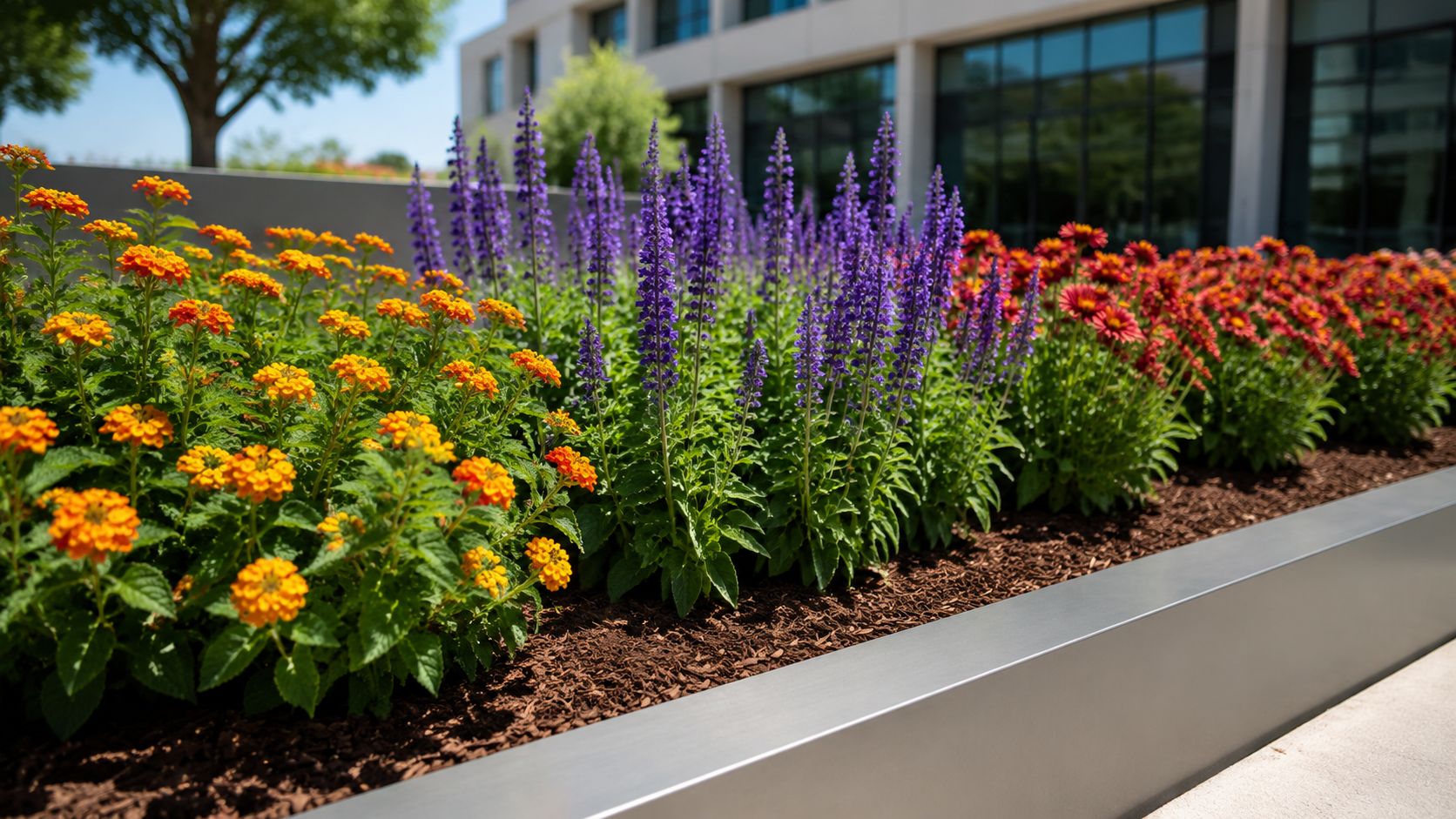
Build the plan around budget, irrigation, and service frequency before choosing plants. Broad sunny beds, medians, and perimeter zones usually perform better with durable perennials and flowering shrubs that can handle heat, uneven watering, and a standard maintenance route. Coreopsis, Black-eyed Susan, Blanket Flower, and Salvia fit those areas well. They will not give the tight seasonal look of rotated annuals, but they usually cut replacement costs and reduce crew time spent resetting beds.
Put higher-maintenance color where people see it. Zinnias and similar seasonal bloomers make financial sense at entries, patios, leasing offices, dining areas, and hospitality-facing beds, where strong color supports the image of the property. Long roadside runs, utility edges, and back-of-house areas usually get a better return from plants that hold up with less water and fewer touchups.
Structure matters, too. Lantana earns its keep in punishing exposure and often settles into a lower-water program after establishment. Esperanza and Pride of Barbados work well at monument signs, front drives, and focal beds because they read clearly from the street and keep presence through the hottest months. Desert Rose is better reserved for containers and protected feature areas where drainage, placement, and winter response can be controlled. If you need woody material to support these flower beds, this guide to bushes for full sun is a useful companion for building out the shrub layer.
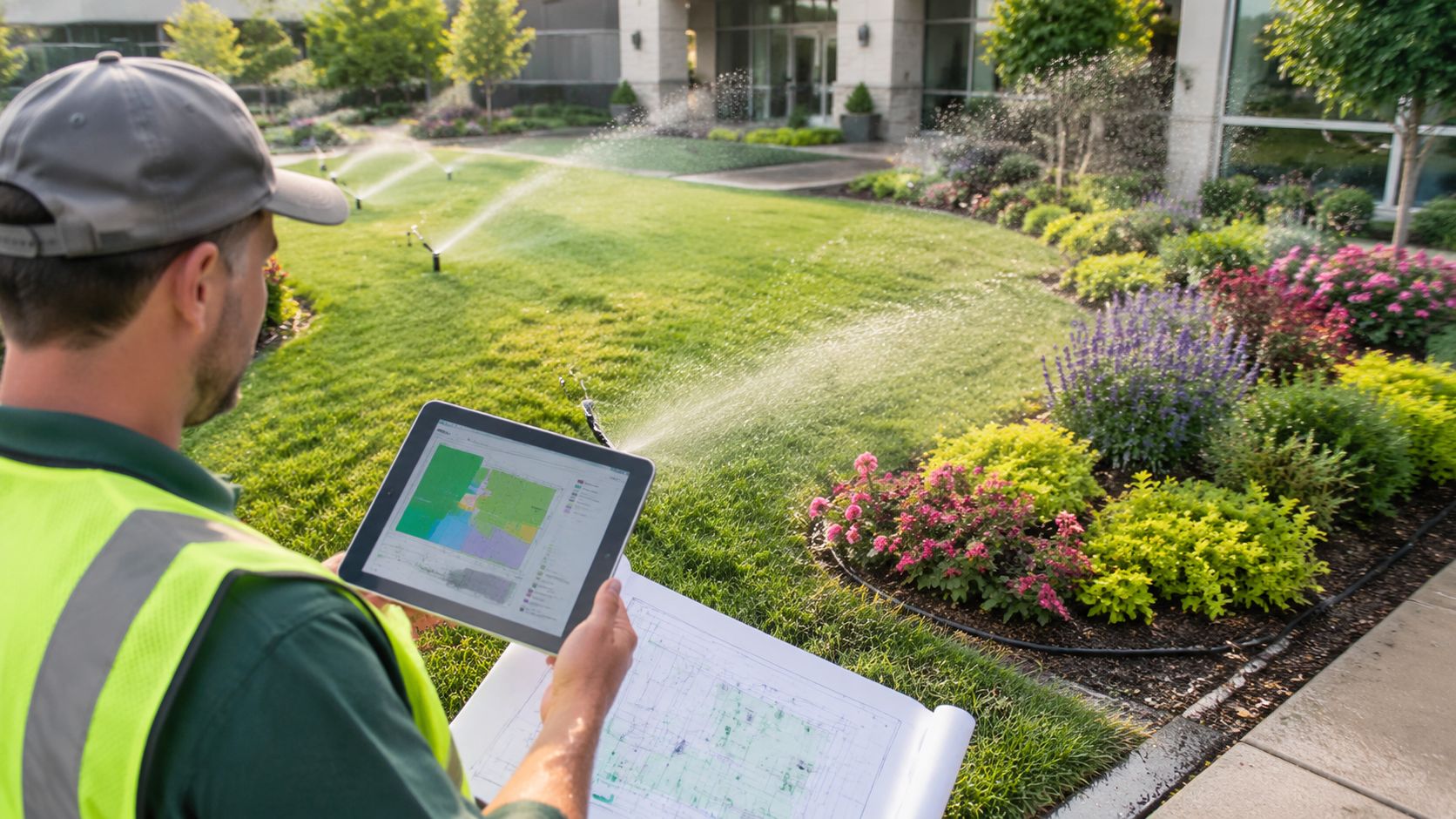
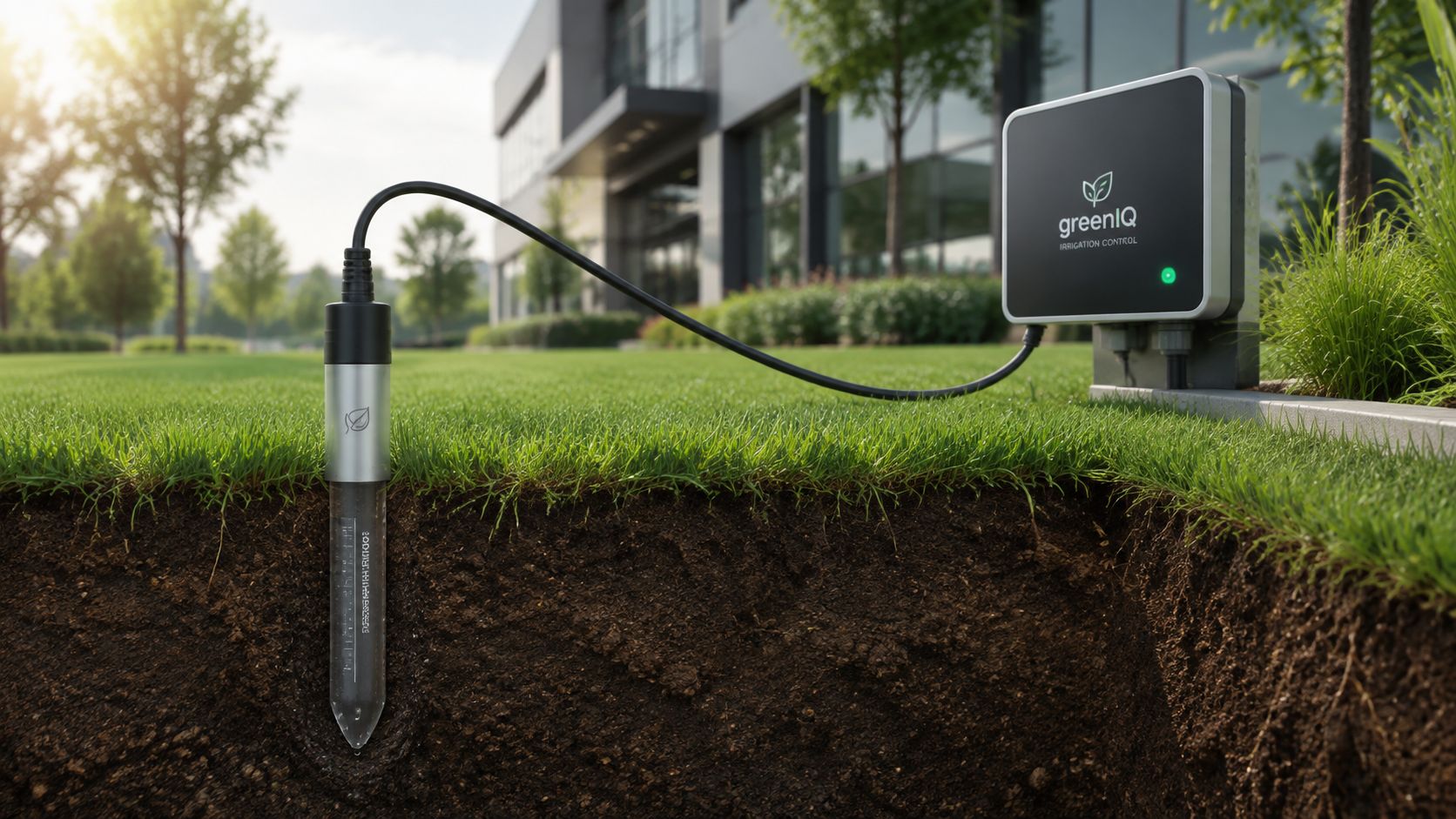
Water zoning is where many properties either save money or create avoidable rework. Low-water plants and thirstier seasonal color should not share the same valve if efficiency is the goal. Exposure matters just as much. West-facing beds, reflected heat from pavement, shallow soils, and poor drainage all change performance, and the first signs usually show up in extra labor, uneven color, and more frequent replacements.
A good planting plan should make the property easier to run.
Prestonwood Commercial Grounds Services can help you build a full-sun color program that fits Texas conditions, your budget, and your maintenance expectations, with plant choices that hold up over time and support leasing, tenant experience, and property value.